皆瀬ダム (Minase Dam) – A Hidden Gem in Yuzawa, Akita, Japan
Explore the tranquil beauty of Akita’s countryside, discover a lesser‑known dam, and uncover nearby waterfalls that make this region a perfect day‑trip for nature lovers.
1. Introduction
If you think Japan’s iconic scenery is limited to bustling cities, towering temples, and cherry‑blossom avenues, think again. Nestled in the lush hills of Yuzawa, Akita Prefecture, 皆瀬ダム (Minase Dam) offers a serene escape that blends engineering marvel with natural splendor. With crystal‑clear waters reflecting the surrounding forest, the dam is an off‑the‑beaten‑path spot that rewards curious travelers with quiet contemplation, photo‑ops, and easy access to a cluster of spectacular waterfalls just a few kilometres away.
Whether you’re a dam enthusiast, a photography hobbyist, or simply craving a peaceful retreat in rural Japan, Minase Dam should be on your Akita travel itinerary.
2. About 皆瀬ダム
Location & Basic Facts
- Name: 皆瀬ダム (Minase Dam)
- Type: Dam (purpose not publicly disclosed)
- Location: Yuzawa‑cho, Akita Prefecture, Japan
- Coordinates: 39.056335° N, 140.629122° E
The dam sits amid rolling mountains and dense woodlands that characterize the interior of Akita. While the exact height and altitude of the structure remain unpublicized, the surrounding landscape rises to roughly 400–500 m above sea level, giving the reservoir a tranquil, mirror‑like surface that captures the changing colors of each season.
History & Significance
Minase Dam was constructed as part of Akita’s broader water‑resource management strategy, which includes flood control, irrigation, and regional water supply. Although detailed historical records are scarce in English sources, the dam’s presence on official Japanese maps and its inclusion in local tourism guides underscore its importance to the community.
Beyond its utilitarian role, the dam has become a modest landmark for outdoor recreation. Local hikers often use the dam’s perimeter trail as a starting point for exploring nearby waterfalls, while photographers cherish the early‑morning mist that drifts over the water’s edge.
3. How to Get There
Reaching Minase Dam is straightforward, especially if you have a rental car. Below are the most common options for both domestic and international travelers.
| Mode of Transport | Details | Approx. Time |
|---|---|---|
| By Train + Bus | 1. Take the JR Ōu Main Line to Yuzawa Station (JR Yamagata‑Akita line). 2. From Yuzawa Station, board the local bus bound for Minase Dam (check the Akita‑Kanto Bus schedule; buses run a few times daily, especially on weekends). |
2 h from Akita City (train) + 30 min bus |
| By Car | Rent a car in Akita City or Yuzawa. Follow National Route 13 north toward Yuzawa, then turn onto Prefectural Road 71 (signs for Minase Dam). The drive offers scenic mountain views and passes several rest areas. | ~1 h 30 min from Akita City (≈80 km) |
| By Taxi / Ride‑share | If you prefer door‑to‑door service, taxis are available from Yuzawa Station. Expect higher costs, but you’ll have flexibility to stop at nearby attractions on the way. | 30 min from Yuzawa Station |
Pro tip: The road to the dam can be narrow and winding, especially after heavy rain or during winter snow. A vehicle with good ground clearance is recommended, and always check local weather forecasts before heading out.
4. Best Time to Visit
Minase Dam’s charm shifts with the seasons, giving you multiple reasons to plan a return visit.
| Season | Highlights | Photography Tips |
|---|---|---|
| Spring (Mar–May) | Cherry‑blossom trees begin to line the access road, and the reservoir reflects soft pink hues. The water flow is moderate, making for gentle ripples. | Shoot early morning for pastel light; use a polarizing filter to reduce glare. |
| Summer (Jun–Aug) | Lush green foliage surrounds the dam, and the temperature is comfortable for hiking. Occasional mist rises from the water in the early hours. | Capture the vibrant greens; try long‑exposure shots of the water for a silky effect. |
| Autumn (Sep–Nov) | The forest erupts in red, orange, and gold. This is the most popular time for both locals and tourists. | Aim for the “golden hour” (sunrise or sunset) to accentuate the autumn colors. |
| Winter (Dec–Feb) | Snow‑capped trees create a serene, almost magical scene. The dam’s surface may partially freeze, offering unique textures. | Use a tripod and a wide‑angle lens; low light conditions call for higher ISO but keep noise in check. |
Overall recommendation: Late October to early November provides the most photogenic scenery, with comfortable hiking temperatures and spectacular foliage.
5. What to Expect
The Setting
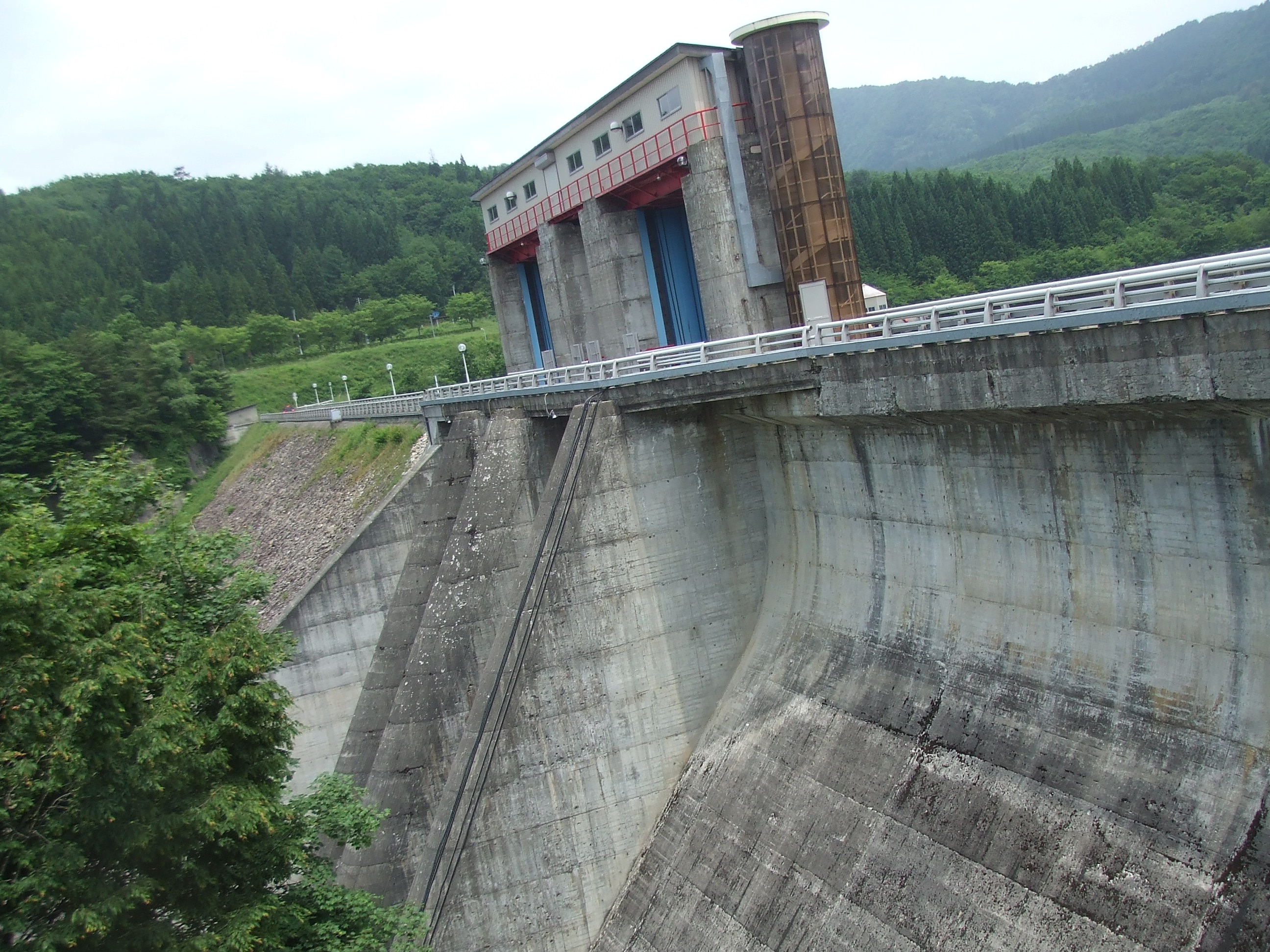
Upon arrival, you’ll be greeted by a modest concrete dam that blends seamlessly into the surrounding forest. A short, well‑maintained walking path circles the reservoir, offering multiple viewpoints. The water is typically calm, allowing for mirror‑like reflections of the sky and trees—perfect for contemplative moments or Instagram‑ready shots.
Activities
- Leisure Walks: The perimeter trail is about 2 km long and suitable for casual strolls. Benches are placed at scenic spots for picnics or simply to soak in the view.
- Photography: The dam’s minimalist design, combined with seasonal backdrops, makes it a favorite for landscape photographers.
- Birdwatching: The area attracts various native birds, especially during migration periods in spring and autumn. Bring a pair of binoculars if you’re keen on spotting them.
- Water‑side Relaxation: While swimming is not permitted due to safety regulations, the gentle sounds of flowing water create a soothing atmosphere for meditation or reading.
Facilities
- Parking: A small free parking lot near the dam entrance (capacity ~20 cars).
- Restrooms: Basic public toilets are available near the trailhead.
- Information Board: A Japanese‑language board provides brief details about the dam’s construction and local ecology. English signage is limited, so a translation app can be handy.
6. Nearby Attractions
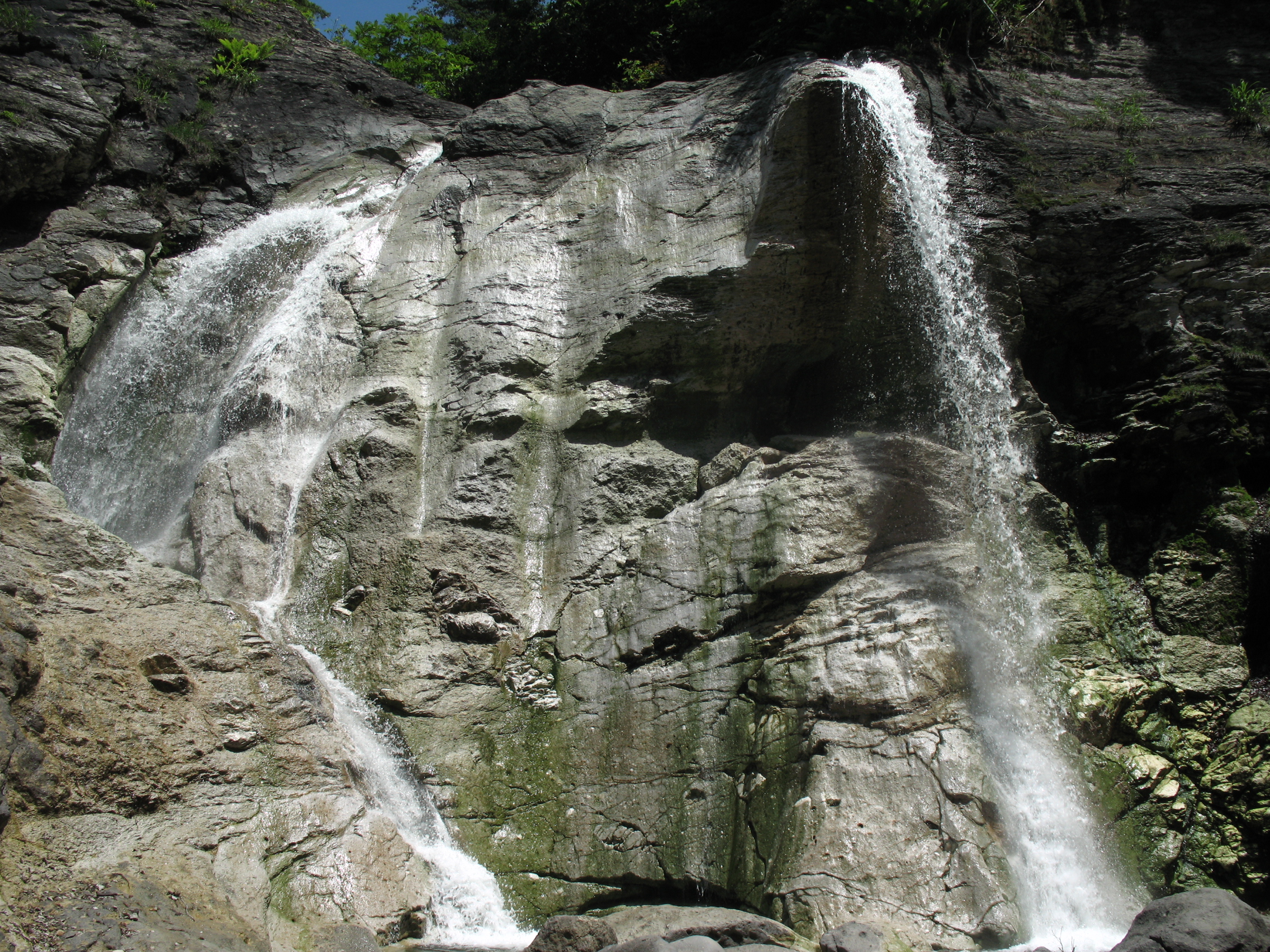
The region around Minase Dam is a treasure trove of waterfalls and natural sites, each within a 6‑km radius. They’re perfect for a day‑long adventure or a multi‑stop hiking loop.
| Attraction | Distance from Minase Dam | Highlights | Link |
|---|---|---|---|
| 板戸ダム (Itado Dam) | 3.0 km | Another small dam surrounded by forest trails; ideal for a quick photo stop. | Itado Dam (Japanese Wikipedia) |
| Amanumainari Shrine (水の滝) | 4.6 km | A Shinto shrine built beside a cascading waterfall; offers cultural insight and a serene setting. | Amanumainari Shrine (Google Maps) |
| 小安峡大噴湯 (Koyasu Gorge Great Hot Spring Waterfall) | 5.7 km | A dramatic waterfall that feeds a natural hot spring; great for a relaxing dip after hiking. | Koyasu Gorge (Japanese Wikipedia) |
| Fudo Falls (不動の滝) | 6.3 km | A multi‑tiered waterfall named after the Buddhist deity Fudo Myoo; excellent for waterfall enthusiasts. | Fudo Falls (Google Maps) |
| Oyasu Gorge (大安峡) | 6.3 km | A scenic gorge featuring a series of small cascades and lush mossy rocks. | Oyasu Gorge (Japanese Wikipedia) |
Suggested Loop: Start at Minase Dam, walk to Itado Dam (3 km), continue on the forest trail to Amanumainari Shrine, then head toward Koyasu Gorge for a refreshing hot‑spring soak. Finish the day at Fudo Falls before returning to your car. The entire loop can be completed in 4–5 hours at a relaxed pace.
7. Travel Tips
- Language: Signage around Minase Dam is primarily in Japanese. Download a translation app (e.g., Google Translate) and keep a few essential phrases handy: “トイレはどこですか?” (Where is the restroom?) and “この場所はどこですか?” (Where is this place?).
- Cash: Rural Akita has limited credit‑card acceptance. Carry enough yen for parking, bus fares, and any souvenir purchases.
- Timing: Arrive early (7–8 am) during peak autumn weeks to avoid crowds and capture the soft morning light.
- Footwear: Wear sturdy, waterproof hiking shoes, especially if you plan to explore the nearby waterfalls where paths can be slippery.
- Weather Preparedness: Akita’s inland climate can shift quickly. Bring a lightweight rain jacket in summer and layered clothing in winter.
- Respect the Environment: The dam area is a protected water source. Do not feed fish, litter, or attempt to swim in the reservoir. Follow the “Leave No Trace” principle.
- Photography Gear: A wide‑angle lens (16‑35 mm) works well for landscape shots, while a telephoto (70‑200 mm) can isolate waterfall details. A small tripod is useful for low‑light conditions, especially during sunrise or sunset.
- Connectivity: Mobile signal may be spotty. Download offline maps of Yuzawa and the surrounding attractions before you set out.
Final Thoughts
Minase Dam may not appear on the typical “Japan’s Top 10” lists, but that’s precisely why it offers an authentic, uncrowded experience. Its placid waters, surrounding forest, and proximity to a cluster of enchanting waterfalls make it a perfect micro‑adventure for travelers seeking the quiet side of Akita. Pack your camera, rent a car, and let the gentle hum of the dam guide you into the heart of Japan’s serene countryside.
Happy travels, and may your visit to 皆瀬ダム be as refreshing as the mountain air that surrounds it!