宇連ダム (Uren Dam) – A Hidden Gem in Shinshiro, Aichi, Japan
Discover the quiet beauty of a lesser‑known dam, explore nearby waterfalls, and experience authentic rural Japan.
Introduction
If you’ve trekked the bustling streets of Nagoya or chased the iconic cherry blossoms of Kyoto, you’ve probably missed one of Aichi Prefecture’s best‑kept secrets – 宇連ダム (Uren Dam). Nestled in the forested hills of Shinshiro, this modest dam offers a tranquil escape, crisp mountain air, and a perfect base for waterfall‑hopping. Whether you’re a nature photographer, a road‑trip enthusiast, or simply looking for a peaceful spot away from the crowds, Uren Dam deserves a place on your Japan travel itinerary.
About 宇連ダム
- Location: Shinshiro, Aichi, Japan
- Coordinates: 35.009070 N, 137.648775 E
- Type: Dam (🏗️)
- Height & Altitude: Not publicly disclosed (unknown)
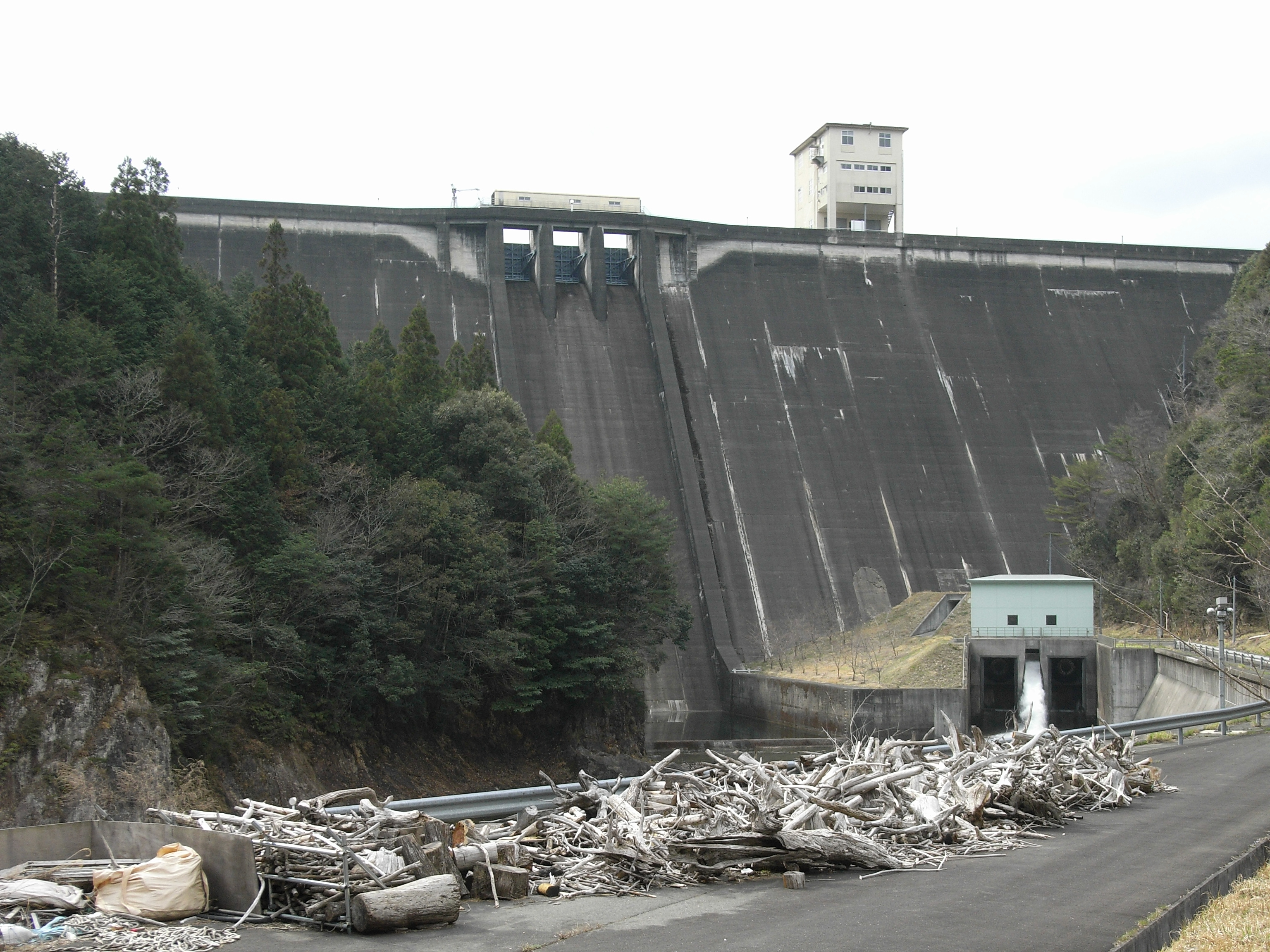
Uren Dam was constructed as part of Aichi’s regional water‑resource management, helping regulate river flow and supply water to surrounding agricultural lands. While the dam itself is modest in size, its surrounding forest and riverbanks create a picturesque landscape that changes with the seasons.
The name “宇連” (Uren) reflects the local geography, and the dam is often referenced in Japanese travel guides under the simple term 宇連ダム. Although it lacks the massive concrete arches of famous dams like Kurobe, its understated charm makes it a favorite among locals who enjoy fishing, picnicking, and short hikes along the reservoir’s edge.
Why it matters:
- Ecological role: Supports local ecosystems and maintains water levels for downstream farms.
- Recreational value: Offers a quiet spot for birdwatching, photography, and seasonal foliage.
- Cultural touchstone: Serves as a landmark for nearby villages and a gateway to several hidden waterfalls.
How to Get There
By Car
The most convenient way to reach Uren Dam is by renting a car in Nagoya or Toyohashi and driving north toward Shinshiro.
| Step | Directions |
|---|---|
| 1 | Take the Tōkai Expressway (E1A) toward Shinshiro. |
| 2 | Exit at Shinshiro Interchange (新城市IC). |
| 3 | Follow Route 155 (国道155号) eastward for about 12 km. |
| 4 | Look for signs pointing to 宇連ダム; a small parking lot sits near the dam’s overlook. |
The drive takes roughly 1.5 hours from Nagoya (≈120 km) and offers scenic mountain vistas along the way.
By Public Transport
While there is no direct train to the dam, you can combine rail and bus:
- JR Tokaido Main Line – Board a rapid train from Nagoya Station to Shinshiro Station (≈1 hour).
- Shinshiro Bus – From Shinshiro Station, catch the local bus bound for Uren (宇連). The bus runs a few times daily; check the latest timetable at the station.
- Walk – The bus stop is a short 10‑minute walk to the dam’s parking area.
Tip: If you’re traveling on a weekend, buses can fill up quickly. Arriving early (before 9 am) ensures you catch the first departure.
By Bicycle
For the adventurous, the Shinshiro Cycling Route offers a 45‑km round‑trip that passes through rice paddies, forest trails, and the dam itself. Bring a sturdy bike and be prepared for some uphill sections.
Best Time to Visit
| Season | Highlights | Why Visit |
|---|---|---|
| Spring (Mar‑May) | Cherry blossoms along the riverbank; fresh green foliage. | Mild temperatures (10‑20 °C) and vibrant colors perfect for photography. |
| Summer (Jun‑Aug) | Lush canopy, occasional mist over the reservoir. | Ideal for early‑morning hikes before the heat peaks; nearby waterfalls are at their fullest. |
| Autumn (Sep‑Nov) | Brilliant maple and ginkgo leaves; golden reflections on the water. | Cooler weather (15‑22 °C) and stunning foliage make this the most photographed season. |
| Winter (Dec‑Feb) | Snow‑capped hills, tranquil silence. | Rarely crowded; the dam’s surface can freeze, creating a serene, icy landscape. |
Insider tip: The first week of November often yields the most vivid autumn colors while still offering comfortable walking temperatures.
What to Expect
Scenic Views
From the modest observation deck, you’ll see the reservoir framed by dense cedar and cypress forests. On clear days, the surrounding mountains stretch toward the horizon, providing a panoramic backdrop that feels far removed from urban Japan.
Wildlife
Early mornings attract kingfishers, Japanese white-eyes, and occasional Japanese macaques that forage near the water’s edge. If you’re lucky, you may spot dragonflies hovering over the dam—a classic sign of a healthy freshwater ecosystem.
Activities
- Photography: Capture sunrise reflections, misty waterfalls, and autumn foliage.
- Picnicking: The parking area includes benches and a small grassy spot—perfect for a bento lunch.
- Light Hiking: A short 2‑km loop trail circles the reservoir, offering multiple viewpoints of the dam and nearby streams.
- Waterfall Exploration: Use Uren Dam as a base to visit the surrounding cascades (see next section).
Facilities
- Parking: Free, limited to 30 cars; arrive early during peak seasons.
- Restrooms: Basic facilities near the parking lot.
- Information Board: Japanese‑only signage provides brief history and safety notes.
Nearby Attractions
Uren Dam sits in a pocket of natural beauty dotted with waterfalls and another dam. Each site is reachable within a short drive, making a perfect day‑trip circuit.
| Attraction | Distance from Uren Dam | Highlights | Link |
|---|---|---|---|
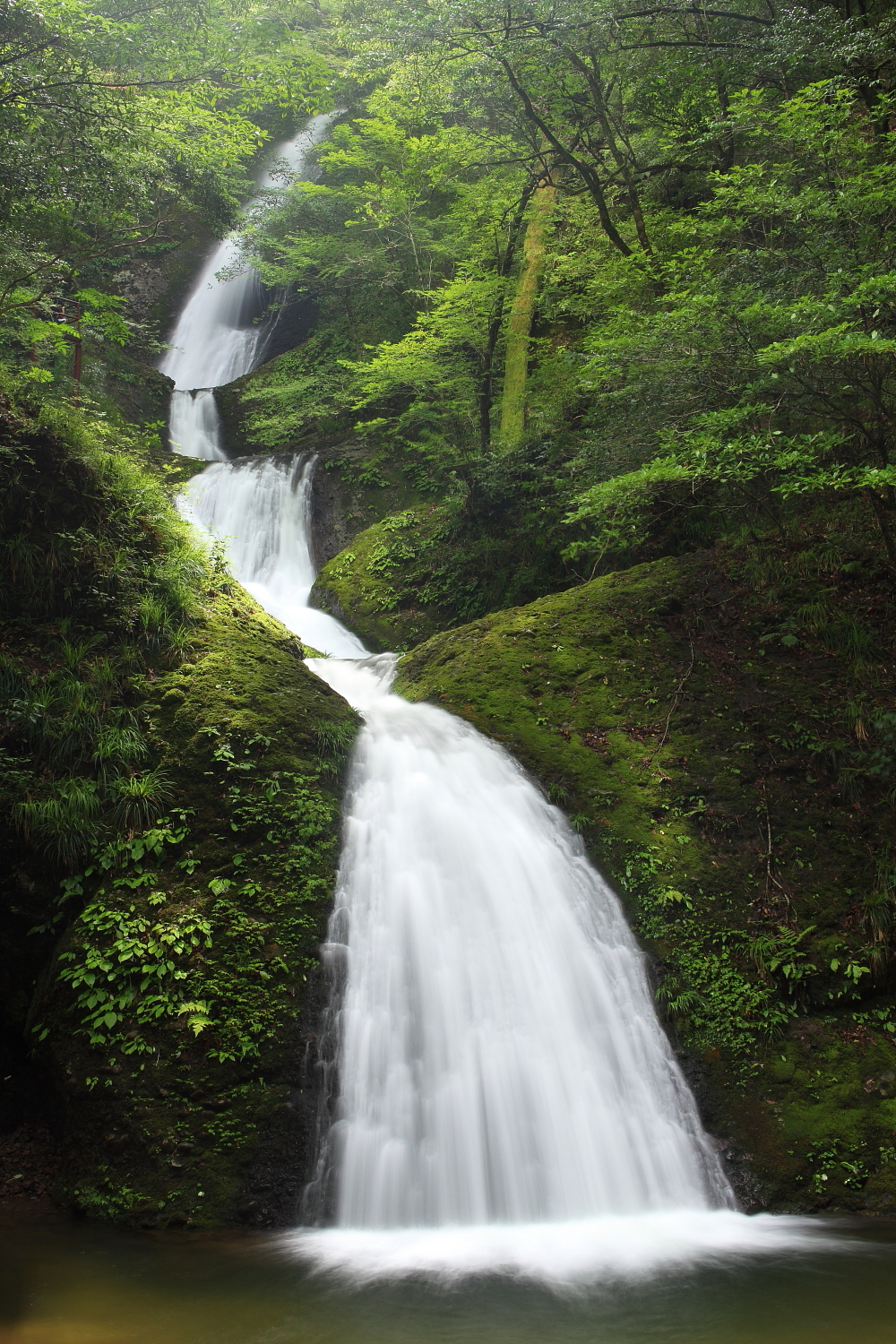
| 亀石の滝 (Kameishi Waterfall) | 3.1 km | A tiered cascade surrounded by mossy rocks; great for a quick dip in summer. | Wikipedia – 亀石の滝 |
| 大島ダム (Ōshima Dam) | 3.2 km | Larger reservoir offering kayaking and fishing; picturesque sunset views. | Wikipedia – 大島ダム |
| 蔦の滝 (Tsuta Waterfall) | 3.2 km | A hidden waterfall draped with vines; perfect for nature lovers seeking solitude. | Wikipedia – 蔦の滝 |
| 不動滝 (Fudō Waterfall) | 5.1 km | Known for its powerful plunge and legend of a guardian spirit. | Wikipedia – 不動滝 |
| 大島の滝 (Ōshima Waterfall) | 5.5 km | A gentle, wide sheet of water ideal for photography during autumn. | Wikipedia – 大島の滝 |
Suggested itinerary:
1. Start at Uren Dam for sunrise photos.
2. Drive to 亀石の滝 for a short hike and waterfall mist.
3. Continue to 大島ダム for a lunch break by the larger reservoir.
4. In the afternoon, explore 蔦の滝 and 不動滝 before heading back.
Travel Tips
- Carry cash: Rural shops and vending machines may not accept credit cards.
- Wear sturdy shoes: Trails near the waterfalls can be slippery, especially after rain.
- Check weather forecasts: Summer thunderstorms can cause sudden water level rises.
- Respect nature: Keep the area clean; there are no trash bins at every site, so bring a bag for your waste.
- Language: Signage is primarily in Japanese; a translation app (e.g., Google Translate) helps with navigation.
- Timing: Arrive early (7‑8 am) during weekends or holidays to avoid the limited parking lot filling up.
- Photography gear: A wide‑angle lens captures the dam’s reflection, while a telephoto lens is useful for distant waterfall details.
- Safety: Swimming is not officially permitted at Uren Dam, but nearby waterfalls may have designated swimming spots—always follow local safety signs.
Wrap‑Up
From its quiet reservoir to the cascade of nearby waterfalls, 宇連ダム offers a slice of authentic Aichi countryside that many travelers overlook. Its easy accessibility by car, combined with the richness of surrounding nature, makes it an ideal day‑trip for anyone exploring central Japan. Pack a camera, bring a sense of adventure, and let the serene waters of Uren Dam guide you into the heart of Shinshiro’s hidden landscape.
Happy travels, and may your journey be filled with crisp mountain air and unforgettable vistas!