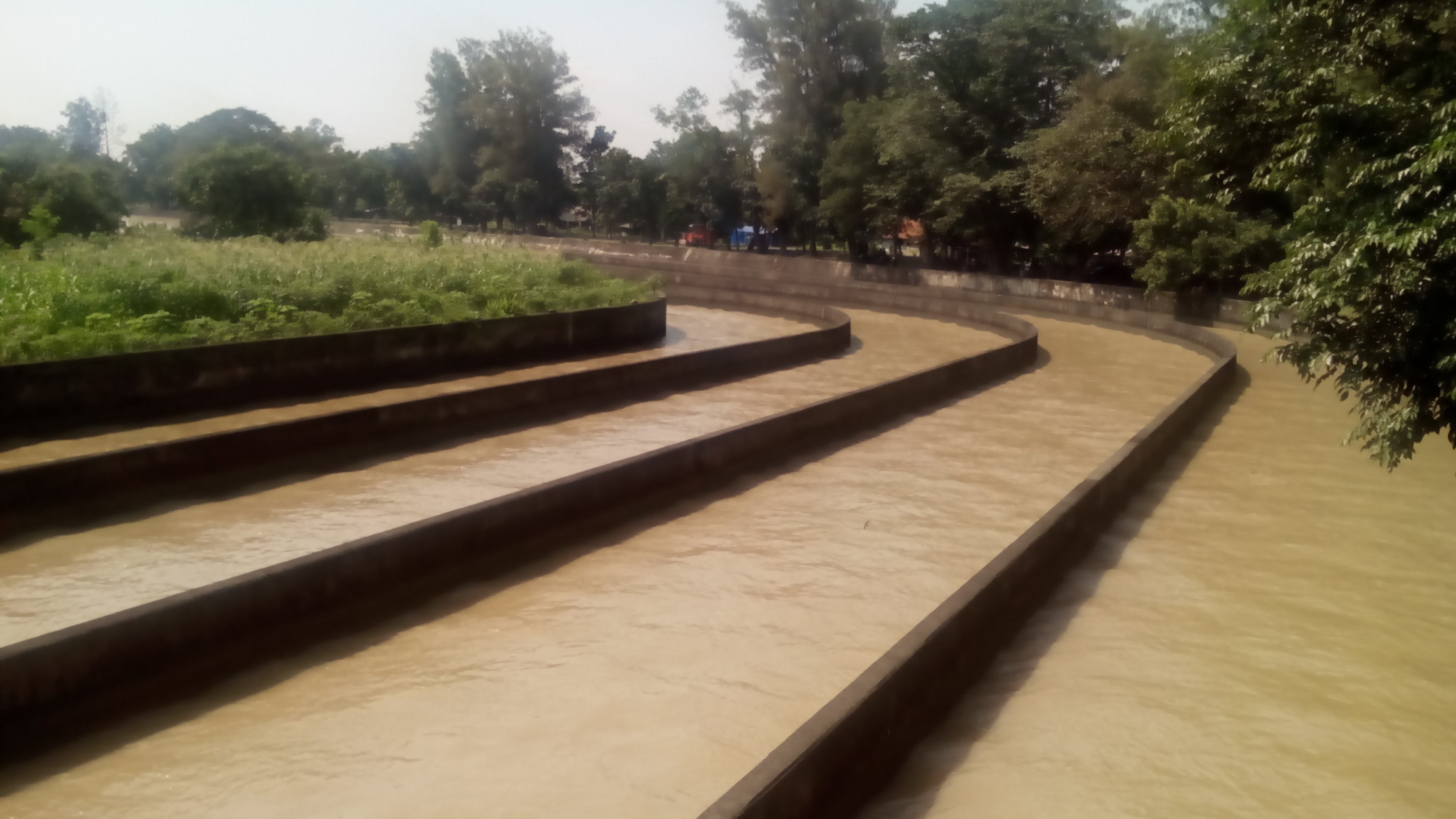
Bendung Rentang: The Hidden Weir Gem of West Java
Discover the tranquil charm of Bendung Rentang, a little‑known weir tucked away in the lush countryside of Jatiwangi, West Java. Whether you’re a river‑lover, a photography enthusiast, or simply craving an off‑the‑beaten‑path adventure, this modest waterwork offers a peaceful escape and a glimpse into Indonesia’s hydraulic heritage.
1. Introduction
Imagine standing on a quiet riverbank, the gentle murmur of water flowing over a low stone wall, surrounded by emerald rice paddies and the distant silhouette of West Java’s rolling hills. That’s the scene at Bendung Rentang – a functional weir that doubles as a serene spot for contemplation and outdoor recreation. While most travelers flock to the bustling beaches of Bali or the volcanic grandeur of Mount Bromo, Bendung Rentang remains a secret sanctuary for those who seek authentic local experiences away from the crowds.
2. About Bendung Rentang
What is a Weir?
A weir (Indonesian: bendung) is a small barrier built across a river to control water flow, raise the water level, and aid irrigation. Unlike large dams, weirs are typically low‑profile structures that blend seamlessly into their surroundings while serving vital agricultural and flood‑control functions.
History & Significance
Bendung Rentang sits in the district of Jatiwangi, part of the Sumedang Regency in West Java. Although the exact construction date and height are not publicly documented, the weir has long been an integral part of the region’s irrigation network, helping local farmers manage water for their rice fields. Its name, “Rentang,” translates to “span” or “bridge” in Sundanese, reflecting its role in spanning the river and connecting communities.
Beyond its utilitarian purpose, Bendung Rentang is a living piece of Indonesia’s water management heritage. The structure exemplifies traditional engineering techniques that have sustained rural livelihoods for generations. Visitors can appreciate how the weir harmonizes with the natural landscape, offering a snapshot of sustainable water use that predates modern infrastructure.
Why Visit?
- Scenic Simplicity – The weir’s modest scale provides unobstructed views of the river and surrounding countryside.
- Cultural Insight – Observe local farmers at work and learn about traditional irrigation practices.
- Photography Gold – Early morning mist, golden hour light, and reflections on the water make for stunning shots.
3. How to Get There
By Air
The nearest major airports are Kertajati International Airport (KJT) in Majalengka (≈ 70 km) and Husein Sastranegara International Airport (BDO) in Bandung (≈ 120 km). From either airport, you can rent a car or hire a driver for the onward journey.
By Train
The Cikampek–Cirebon railway line passes through nearby towns such as Cirebon and Sumedang. Disembark at Sumedang Station, then catch a local angkot (minivan) or arrange a taxi toward Jatiwangi.
By Road
-
From Bandung:
1. Take the Jalan Raya Bandung‑Cirebon (National Route 1) heading north.
2. Exit at the Jatiwangi sign (approximately 90 km from Bandung).
3. Follow the local road signs toward Bendung Rentang (coordinates: ‑6.662581, 108.220883). -
From Cirebon:
1. Drive south on National Route 1 toward Jatiwangi.
2. After about 45 km, turn left onto the Jatiwangi‑Sukasari road.
3. The weir is signposted a short distance later.
Public Transport Tips
- Angkot routes 5 and 7 regularly ply the Bandung‑Cirebon corridor and stop near Jatiwangi.
- For the final 5 km stretch, a local ojek (motorcycle taxi) is the quickest option.
- Always confirm the fare before boarding; most drivers are accustomed to tourists heading to nearby attractions.
4. Best Time to Visit
| Season | Weather | Why It’s Ideal |
|---|---|---|
| Dry Season (May – October) | Warm, low rainfall, clear skies | Perfect for outdoor photography, comfortable walking, and river activities. |
| Wet Season (November – April) | Frequent showers, higher river flow | The weir looks dramatic with mist and swollen water, but trails can be slippery. |
Recommendation: Aim for late May to early September. Early mornings during the dry season often bring a gentle mist that adds atmosphere without the hazards of heavy rain.
5. What to Expect
The Landscape
Approaching Bendung Rentang, you’ll notice a narrow river cutting through a patchwork of paddy fields, small groves, and traditional Sundanese houses. The weir itself is a low concrete wall, just high enough to raise the water level for irrigation downstream. Its simple design allows visitors to walk right up to the edge and feel the subtle current.
Activities
- River Walks: Stroll along the riverbank, listening to the rhythmic flow over the weir.
- Birdwatching: The surrounding wetlands attract kingfishers, herons, and seasonal migratory birds.
- Photography: Capture reflections, sunrise silhouettes, and the interplay of light on water.
- Cultural Observation: During planting season (typically June‑July), you may see farmers guiding water through small channels—an authentic glimpse of rural life.
Facilities
Bendung Rentang is a natural site with minimal tourist infrastructure. Expect basic parking near the road, a few benches, and no formal restroom facilities. Pack water, snacks, and a portable toilet if needed. Local warungs (small eateries) in Jatiwangi village are a short ride away and serve fresh sundae (Sundanese) dishes such as nasi timbel and ikan bakar.
6. Nearby Attractions
While Bendung Rentang is the star of the day, the surrounding area offers several other weirs and points of interest—all within a 1‑km radius. These spots are perfect for a relaxed afternoon of exploration.
| Attraction | Distance | Type | Quick Note |
|---|---|---|---|
| Unnamed Weir #1 | 0.5 km | Weir | Small spillway with a scenic wooden footbridge. |
| Unnamed Weir #2 | 0.5 km | Weir | Ideal for close‑up photography of water flow. |
| Unnamed Weir #3 | 0.5 km | Weir | Offers a quiet picnic spot beside the river. |
| Unnamed Weir #4 | 0.5 km | Weir | Features a traditional stone marker. |
| Bendung Rentang Lama | 0.6 km | Historic Weir | The “old” version of Bendung Rentang; see how the design evolved. |
Tip: Use a GPS app to navigate between these nearby weirs. They’re all accessible via short walking paths that weave through the rice paddies, allowing you to soak up the countryside at a leisurely pace.
7. Travel Tips
| Tip | Details |
|---|---|
| Bring Cash | Rural vendors often accept only cash (Indonesian Rupiah). |
| Dress Comfortably | Light, breathable clothing and sturdy walking shoes are a must. |
| Sun Protection | The open fields provide little shade; pack a hat, sunglasses, and sunscreen. |
| Respect Local Farming | Avoid stepping on cultivated fields and follow any signage about water usage. |
| Language | Basic Bahasa Indonesia phrases (e.g., Terima kasih – thank you) go a long way. |
| Stay Connected | Mobile coverage can be spotty; download offline maps before you leave. |
| Timing | Arrive early (around sunrise) to avoid the midday heat and capture the best light. |
| Leave No Trace | Carry a small bag for litter; keep the area pristine for locals and future visitors. |
Closing Thoughts
Bendung Rentang may not have the towering grandeur of a dam or the fame of a UNESCO site, but its quiet allure lies in the simplicity of water meeting land, the humble rhythm of daily life, and the raw beauty of West Java’s countryside. For travelers seeking an authentic slice of Indonesian rural culture, a few hours at this unassuming weir can be a rewarding, soul‑soothing experience.
Pack your camera, hop on a local angkot, and let the gentle flow of Bendung Rentang guide you into a world where nature, history, and community move together in perfect harmony. Happy travels!
Keywords: Bendung Rentang, West Java weir, Jatiwangi travel, Indonesia off‑the‑beaten‑path, rural tourism West Java, Sundanese countryside, river weir Indonesia, travel guide West Java.