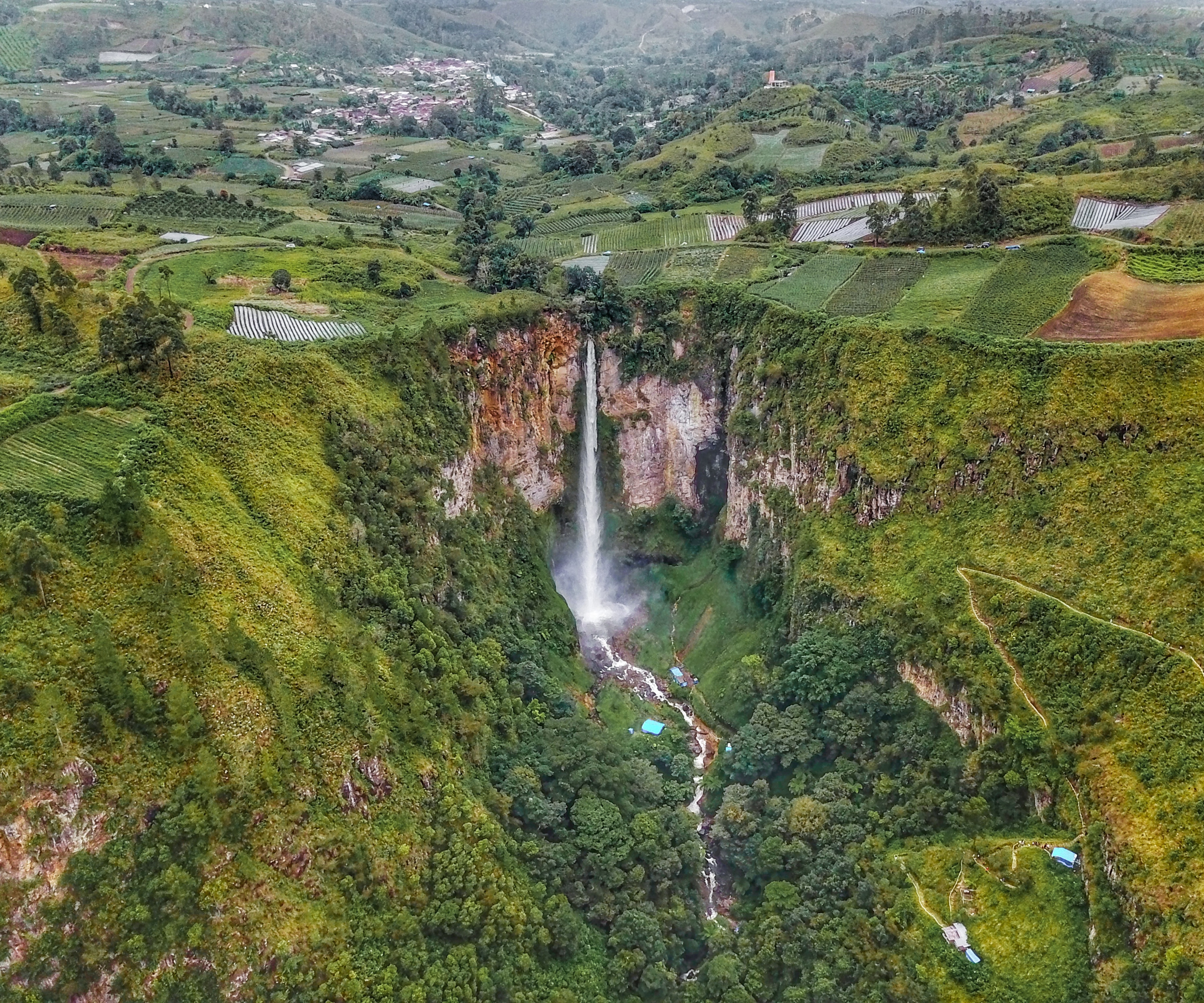
Sipiso‑Piso Waterfall – North Sumatra’s Majestic 120‑Metre Cascade
Discover the thunderous beauty of Sipiso‑Piso, the towering waterfall that drops 120 m into the crystal‑blue waters of Lake Toba. From epic photo ops to tranquil forest walks, this hidden gem in Tongging, North Sumatra, is a must‑see for any Indonesia adventure.
1. Introduction
If you’ve ever dreamed of standing at the edge of a waterfall that seems to plunge straight into the sky, Sipiso‑Piso is the answer. Nestled on the northern rim of the world‑famous Lake Toba, this 120‑metre cascade drops dramatically over a sheer limestone cliff, creating a misty veil that frames the lake’s emerald surface. The roar of water, the fresh mountain air, and the sweeping vistas of North Sumatra’s highlands make Sipiso‑Piso one of Indonesia’s most Instagram‑worthy natural wonders. Whether you’re a seasoned trekker, a photography enthusiast, or simply a traveler seeking awe‑inspiring scenery, Sipiso‑Piso promises an unforgettable experience.
2. About Sipiso‑Piso
A Brief Description
Sipiso‑Piso (sometimes spelled Sipisopiso) is a waterfall located in the village of Tongging, North Sumatra, Indonesia. Its coordinates are 2.916869 N, 98.519282 E, and it plunges an impressive 120 meters from the edge of the volcanic crater that forms Lake Toba. The waterfall feeds directly into the lake, creating a spectacular juxtaposition of cascading water and tranquil lake surface.
History & Cultural Significance
The name “Sipiso‑Piso” is derived from the local Batak language, meaning “the waterfall that looks like a pipe,” a reference to the narrow, vertical flow of water. For centuries, the Batak people have regarded the waterfall as a sacred site, believing its mist carries blessings for travelers and farmers alike. While there are no extensive written records, the waterfall has long been a landmark on regional trade routes, guiding merchants across the highlands toward the lake’s bustling ports.
Why It Matters
Beyond its sheer visual impact, Sipiso‑Piso plays an ecological role by oxygenating the waters of Lake Toba and supporting a diverse array of aquatic life. The surrounding rainforest is home to endemic bird species, making the area a hotspot for bird‑watchers and nature photographers. Its proximity to other natural attractions also positions Sipiso‑Piso as a central hub for exploring the broader North Sumatra tourism circuit.
3. How to Get There
From Medan (the provincial capital)
- Fly or take a bus to Parapat – Medan’s Kualanamu International Airport offers daily flights to Sibisa Airport (the closest airport to Lake Toba). Alternatively, long‑distance buses from Medan’s Terminal Ari Dewi run to Parapat (≈ 4‑5 hours).
- Drive to Sipiso‑Piso – From Parapat, rent a car or hire a local driver. The road to Tongging winds through rolling hills and passes the iconic Lake Toba Viewpoint (≈ 0.5 km from the waterfall). The drive takes about 30‑40 minutes on a paved, well‑maintained highway.
Public Transportation
- Minibus (angkot) services run from Parapat to Tongging several times a day. Disembark at the village entrance and follow the short, clearly marked footpath to the waterfall’s viewing platform.
- Motorbike rentals are popular among budget travelers; the route is straightforward, but be prepared for occasional steep sections.
By Private Tour
Many local operators in Parapat offer half‑day tours that include Lake Toba viewpoint, a stop at Simalem Sanctuary, and a guided walk to Sipiso‑Piso. Booking through a reputable agency ensures a knowledgeable guide and hassle‑free transportation.
4. Best Time to Visit
| Season | Weather | Visitor Experience |
|---|---|---|
| Dry Season (May – September) | Sunny, low humidity, occasional light showers | Ideal for clear views of the waterfall and Lake Toba; roads are dry and travel times are predictable. |
| Wet Season (October – April) | Frequent rain, higher humidity, mistier conditions | The waterfall is at its most powerful, creating dramatic mist and rainbows. However, some access roads may be slippery, and visibility of the lake can be reduced. |
Peak months: June, July, and August attract the most tourists, so early morning visits (around 7 am) help you beat the crowds and capture the soft morning light.
5. What to Expect
The Arrival
As you approach the viewing platform, the first thing you’ll notice is the thunderous roar echoing through the forest. A short, well‑kept trail leads you to a panoramic overlook that frames the waterfall against the backdrop of Lake Toba’s azure waters. The sheer drop of 120 meters creates a misty veil that often forms vivid rainbows on sunny days—perfect for photographers.
The Walk
The path from the parking area to the viewpoint is approximately 300 meters and mostly level, though a few gentle steps lead down toward the water’s edge. The trail is lined with native pine and oak trees, offering occasional spots to rest and enjoy the fresh mountain air.
Senses & Sights
- Sound: The constant cascade creates a natural white‑noise soundtrack, soothing yet invigorating.
- Sight: The waterfall’s vertical plunge is framed by limestone cliffs, while the lake below mirrors the sky. In the distance, the Simalem Sanctuary (≈ 3.5 km away) can be glimpsed as a verdant patch of forest.
- Smell: The mist carries a crisp, earthy scent of pine and wet rock—a refreshing change from the tropical heat of lower elevations.
Activities
- Photography: Capture long‑exposure shots of the falling water or wide‑angle panoramas of the lake.
- Picnicking: Small benches and shaded spots near the viewpoint make for a pleasant lunch break.
- Birdwatching: Keep an eye out for endemic bird species that frequent the surrounding forest canopy.
6. Nearby Attractions
Exploring the area around Sipiso‑Piso gives you a full day (or more) of natural wonders and cultural experiences:
| Attraction | Distance from Sipiso‑Piso | Why Visit |
|---|---|---|
| Lake Toba Viewpoint | 0.5 km | Offers sweeping vistas of Indonesia’s largest volcanic lake; perfect for sunrise and sunset shots. |
| Simalem Sanctuary | 3.5 km | A protected forest reserve ideal for trekking, wildlife spotting, and learning about local conservation efforts. |
| Kebun Efi | 11.6 km | A charming garden showcasing traditional Batak architecture and local flora. |
| Air Terjun Siringo | 16.4 km | Another picturesque waterfall tucked in the highlands, great for a secondary waterfall‑hopping adventure. |
All attractions are reachable by car or motorbike within 30‑45 minutes, making Sipiso‑Piso an excellent base for a highland itinerary.
7. Travel Tips
| Tip | Details |
|---|---|
| Dress for the mist | Bring a light rain jacket or poncho; the waterfall’s spray can get you soaked, especially in the wet season. |
| Footwear | Sturdy, non‑slip shoes or hiking sandals are recommended for the short trail and occasional wet rocks. |
| Timing | Arrive early (7 – 8 am) to enjoy softer light and avoid the midday crowd. |
| Cash | Small vendors near the viewpoint accept only cash (Indonesian Rupiah). ATMs are available in Parapat. |
| Respect the environment | Stick to marked paths, carry out all trash, and avoid climbing on the cliffs for safety and conservation. |
| Stay connected | Mobile signal can be spotty; consider downloading offline maps of the Lake Toba region before you go. |
| Local cuisine | Try Batak specialties like saksang (spiced pork) and arsik (spiced fish) at nearby warungs in Tongging or Parapat. |
| Guided tours | If you’re interested in cultural insights or birdwatching, hiring a local guide adds depth to the experience. |
Final Thoughts
Sipiso‑Piso isn’t just a waterfall; it’s a gateway to the highland soul of North Sumatra. Its towering 120‑metre drop, dramatic mist, and panoramic lake backdrop create a scene that feels both wild and serene. Pair it with nearby attractions like the Lake Toba viewpoint and Simalem Sanctuary, and you have a compact yet richly rewarding itinerary that showcases the best of Indonesia’s natural heritage. Pack your camera, lace up your shoes, and let the roar of Sipiso‑Piso guide you to an unforgettable adventure.
Ready to chase waterfalls? Add Sipiso‑Piso to your travel bucket list and experience the thunderous heart of North Sumatra.


