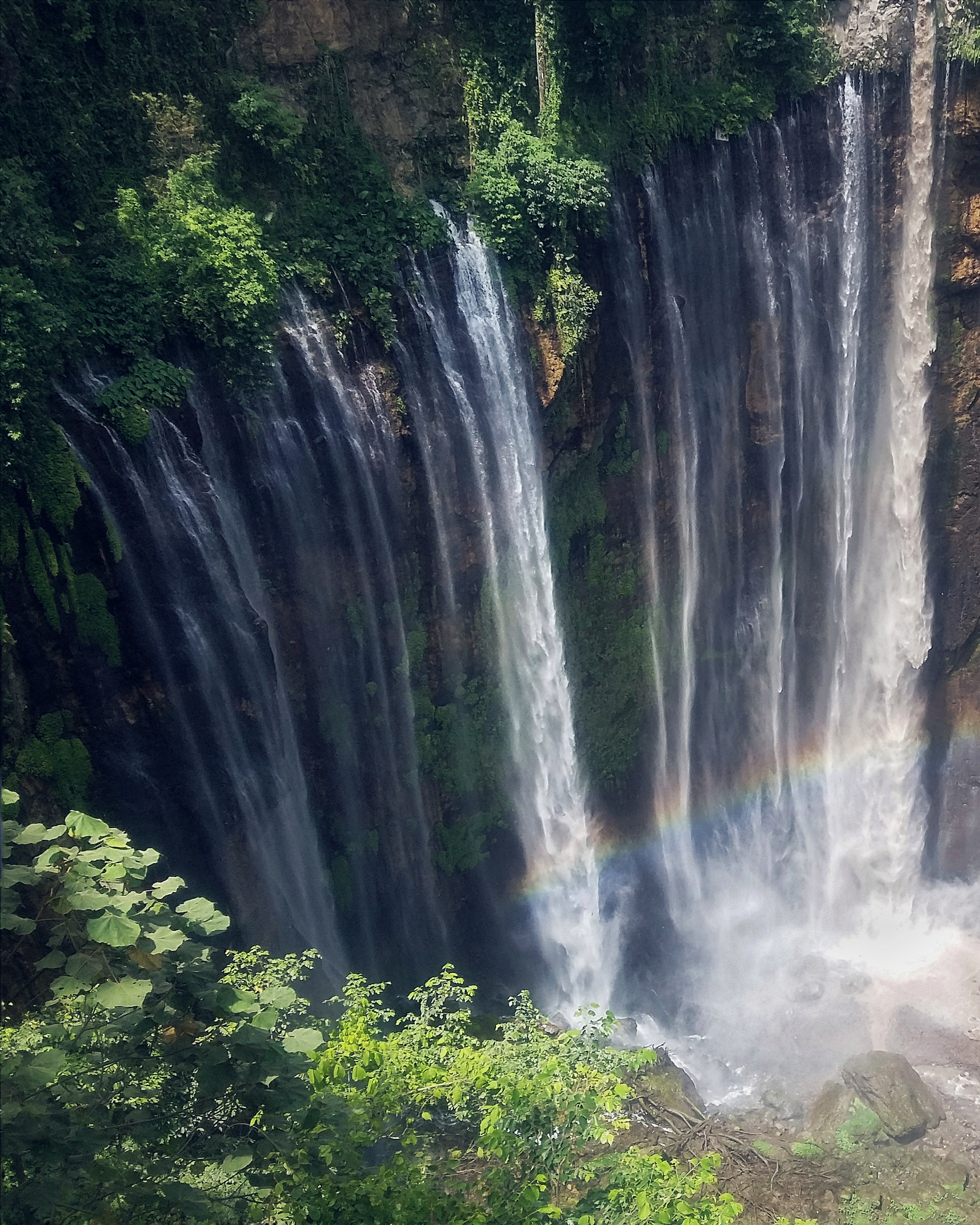
Tumpak Sewu Waterfall – The Hidden Jewel of East Java
If you’ve ever dreamed of standing beneath a 120‑metre curtain of water that seems to pour straight from the sky, Tumpak Sewu in East Java is the place where that dream comes true. Nestled in the remote village of Kaliuling, this spectacular waterfall—often called the “Thousand Waterfalls” by locals—offers an unforgettable blend of raw power, mist‑kissed serenity, and photogenic drama. Whether you’re a seasoned trekker, a photography enthusiast, or simply a traveler chasing Indonesia’s most iconic natural wonders, Tumpak Sewu deserves a top spot on your itinerary.
About Tumpak Sewu
Tumpak Sewu (Indonesian for “Thousand Waterfalls”) is a single‑drop waterfall that plunges 120 meters into a deep, verdant gorge. Its name reflects the way the water fans out across a wide cliff face, creating the illusion of many separate streams tumbling side by side. The waterfall is situated at coordinates ‑8.230332, 112.916501 in the district of Kaliuling, East Java, and is part of the larger Coban Sewu river system.
History & Cultural Significance
While the exact historical origins of Tumpak Sewu are not extensively documented, the waterfall has long been a sacred site for the surrounding Javanese communities. Traditional folklore describes the falls as the tears of a grieving spirit, and locals often perform small offerings at the base of the cascade to honor the natural power that sustains their farms and villages. Over recent decades, the site has gained national recognition and is now listed on the Wikipedia page for Tumpak Sewu Waterfalls, drawing both domestic and international visitors.
How to Get There
Reaching Tumpak Sewu is an adventure in itself, but the journey is part of the experience. Here’s a practical guide:
| Step | Details |
|---|---|
| Start from a major city | The most common gateways are Surabaya, Malang, or Kediri—all well‑connected by train, bus, or domestic flights. |
| Road travel | From any of these cities, hire a car, motorbike, or join a local shuttle heading toward Kaliuling. The road is paved but winding, offering scenic views of rice terraces and jungle hills. |
| Public transport | Local minibusses (angkot) run from the nearest town of Kediri to Kaliuling. Ask the driver for “Air Terjun Tumpak Sewu.” |
| Parking & trailhead | Upon arrival in Kaliuling, you’ll find a modest parking area near the trailhead. From there, a short, well‑marked path leads to the viewpoint and the lower access stairs. |
| Final approach | The last segment involves descending a series of stone steps (approximately 300 m) that bring you close enough to feel the waterfall’s roar and mist. The descent can be steep, so wear sturdy shoes and take your time. |
Tip: If you’re traveling during the peak dry season, consider arriving early in the morning to avoid crowds and secure a good parking spot.
Best Time to Visit
Tumpak Sewu’s flow varies dramatically with the seasons, so timing your visit can dramatically affect the experience.
| Season | Water Flow | Weather | Visitor Experience |
|---|---|---|---|
| Dry Season (May – September) | Moderate to strong flow; water is clear and the surrounding trails are dry. | Sunny, lower humidity. | Ideal for photography, easier trekking, and clearer views of the cascade. |
| Rainy Season (October – April) | Highest volume; the waterfall can become a roaring torrent that creates spectacular rainbows in the mist. | Frequent showers, higher humidity. | Best for those who love dramatic, powerful waterfalls, but be prepared for slippery steps and possible trail closures. |
Overall, May to September is the most visitor‑friendly window, while October to December offers the most intense waterfall display for the adventurous photographer.
What to Expect
Arriving at Tumpak Sewu, you’ll first notice the thunderous roar that reverberates through the valley. The waterfall’s water spreads across a broad, semi‑circular cliff, creating a curtain that seems to disappear into the mist. The sight is both humbling and exhilarating—especially when you stand on the lower viewing platform, where the spray kisses your face and the rainbow‑filled mist dances in the sunlight.
Sensory Highlights
- Sound: The constant cascade creates a natural white‑noise soundtrack, perfect for meditation or simply soaking in nature’s power.
- Sight: The waterfall’s width and height combine for a panoramic view that stretches from one side of the gorge to the other. In bright light, you’ll often see multiple rainbows arching across the mist.
- Touch: The cool mist can be felt up close; many visitors love the refreshing sensation on a warm day.
- Smell: The air is fresh with the scent of wet earth, tropical foliage, and a faint hint of eucalyptus from nearby trees.
Photography Tips
- Golden hour (just after sunrise or before sunset) provides soft, warm lighting that enhances the waterfall’s texture.
- Use a neutral density (ND) filter to achieve silky‑smooth water motion during daylight.
- A wide‑angle lens captures the full breadth of the cascade, while a telephoto can isolate the waterfall’s central plunge for dramatic detail.
Nearby Attractions
Tumpak Sewu sits in a cluster of natural wonders, making it an excellent base for a day‑long exploration. Below are the top spots within a short radius—each offering its own slice of East Java’s rugged beauty.
- Air Terjun Coban Sewu – Only 0.2 km away, this waterfall shares the “Sewu” name and provides a quieter, more secluded setting.
- Tebing Goa Sewu – A 0.3 km trek leads to striking cliff‑side caves that echo with the sounds of the nearby falls.
- Tetes Cave and Waterfall – At 0.4 km, discover a hidden cavern where a small waterfall drops into a crystal‑clear pool.
- Panorama TGS – Just 0.4 km away, this viewpoint offers sweeping vistas of the surrounding highlands and the river that feeds Tumpak Sewu.
All of these attractions are reachable on foot from the main parking area, allowing you to weave a flexible itinerary based on your energy level and interests.
Travel Tips
- Dress for the Mist – Bring a lightweight rain jacket or a quick‑dry poncho. Even on sunny days, the waterfall’s spray can soak you instantly.
- Footwear Matters – Sturdy, non‑slip hiking shoes are essential for the stone steps and potentially wet trail sections.
- Stay Hydrated – The tropical climate can be dehydrating, especially during the dry season. Carry at least 1‑2 liters of water.
- Cash is King – Small entrance fees or parking charges are typically collected in Indonesian Rupiah (IDR). ATMs may be scarce, so bring enough cash.
- Respect Local Customs – If you see locals making offerings, observe quietly and avoid stepping on any ceremonial items.
- Leave No Trace – Pack out all trash, stay on marked paths, and avoid disturbing the natural vegetation.
- Safety First – The descent can be steep; take one step at a time and use the handrails where available. Children should be supervised closely.
- Connectivity – Mobile signal may be limited. Consider downloading offline maps of the area before you set out.
Final Thoughts
Tumpak Sewu is more than just a waterfall; it’s a living, breathing masterpiece that showcases the raw power and serene beauty of East Java’s highland rivers. From the thunderous plunge that greets you at the base to the tranquil mist that lingers in the air, every moment feels like a pause in time. Pair it with nearby gems like Coban Sewu and Tebing Goa Sewu, and you have a full‑day adventure that satisfies both the wanderer’s soul and the photographer’s eye.
So pack your boots, charge your camera, and set your compass for Kaliuling, East Java. Tumpak Sewu is waiting—ready to drench you in wonder, one cascading drop at a time. Safe travels!


