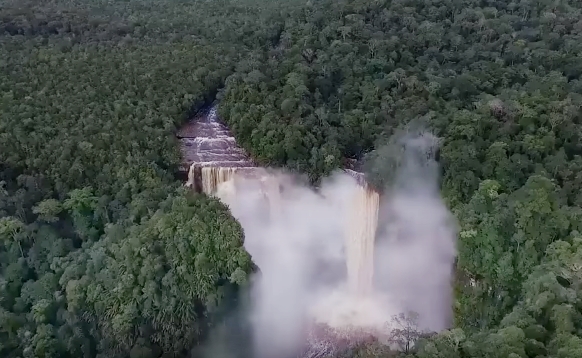
Air Terjun Nohkan Lonanyan – A Hidden Waterfall Gem in Central Kalimantan
Discover the serene beauty of Air Terjun Nohkan Lonanyan, a lesser‑known waterfall tucked away in the lush heart of Central Kalimantan, Indonesia.
1. Introduction
If you’re chasing the road less traveled in Indonesia, the waterfalls of Central Kalimantan should be at the top of your list. While the world’s travel guides often spotlight the mighty curving falls of Bali or the dramatic cascades of Sumatra, the island of Borneo (Kalimantan) keeps a quiet secret: Air Terjun Nohkan Lonanyan. Nestled near the tiny settlement of Petakbehandang, this waterfall offers a pristine, untouched experience—crystal‑clear water plunging into emerald‑green pools, surrounded by dense tropical forest and the gentle hum of wildlife.
Whether you’re a seasoned trekker, a photography enthusiast, or simply a traveler yearning for a peaceful escape, Air Terjun Nohkan Lonanyan promises a slice of Indonesian paradise that feels like it belongs only to you.
2. About Air Terjun Nohkan Lonanyan
Description
Air Terjun Nohkan Lonanyan (sometimes spelled Nokan Nayan in local references) is a waterfall located at the coordinates -0.147537, 113.142652 in the district of Petakbehandang, Central Kalimantan. While the exact height of the fall remains undocumented, its charm lies in the natural setting rather than sheer size. The cascade tumbles over a series of rocky ledges, creating multiple tiers that feed into a tranquil pool perfect for a quick dip.
History & Cultural Significance
The name “Nohkan” (or “Nokan”) is derived from the local Dayak language, often associated with “water” or “river.” The surrounding area has been home to Dayak communities for centuries, who traditionally regarded waterfalls as sacred places—sources of fresh water, spiritual cleansing, and gathering spots for communal rituals. Although Air Terjun Nohkan Lonanyan is not a major pilgrimage site, it still holds a quiet reverence among nearby villagers, who occasionally perform small offerings for safe travel and bountiful harvests.
Why It Matters
In an age where many natural attractions are overrun by tourists, Nohkan Lonanyan remains relatively undiscovered, helping preserve its ecological integrity. The waterfall contributes to the region’s biodiversity, supporting a variety of amphibians, insects, and birds that thrive in the mist‑laden micro‑habitat. For eco‑travelers, visiting this waterfall means supporting low‑impact tourism that encourages the protection of Kalimantan’s rainforests.
3. How to Get There
From the Nearest City
The most convenient gateway to Petakbehandang is Palangka Raya, the capital of Central Kalimantan. Palangka Raya is reachable by domestic flights from Jakarta, Surabaya, or Balikpapan (e.g., Garuda Indonesia, Lion Air).
- Fly to Palangka Raya (PKN).
- Hire a local driver or rent a car. The journey to Petakbehandang covers roughly 120 km of mixed paved and dirt roads and takes about 3–4 hours depending on weather.
By Road
- Main route: From Palangka Raya, take the Jalan Nasional 13 (Jalan Raya Palangka Raya–Sampit) heading east.
- Turn off: Near the town of Kahayan, follow signs toward Petakbehandang. The last 20 km are unpaved; a high‑clearance vehicle is advisable.
From the Village
Once you reach Petakbehandang, the waterfall lies a short 15‑minute walk from the main road. Local guides are readily available at the village entrance; they can lead you through a well‑trodden forest path to the cascade.
Practical Tips
- Bring cash (Indonesian Rupiah) for guide fees and any small purchases.
- Check road conditions before departure, especially during the rainy season when some sections can become muddy or temporarily impassable.
- Carry a map or GPS (the coordinates –0.147537, 113.142652 work well on Google Maps).
4. Best Time to Visit
Central Kalimantan experiences a tropical climate with two primary seasons:
| Season | Months | What to Expect | Visitor Tips |
|---|---|---|---|
| Dry Season | May – September | Lower rainfall, clearer trails, water flow moderate | Ideal for trekking and photography. Arrive early to avoid the midday heat. |
| Wet Season | October – April | Frequent showers, higher water volume, lush vegetation | Great for dramatic waterfall photos, but bring waterproof gear and sturdy boots. Some access roads may be challenging. |
Peak recommendation: June to August offers the most comfortable hiking conditions while still delivering a vibrant, flowing waterfall.
5. What to Expect
The Journey
The forest trail to Air Terjun Nohkan Lonanyan is moderately easy. Expect a gentle ascent through dense dipterocarp trees, occasional bamboo groves, and the soothing sound of distant birds. The path is marked by local stones and occasional wooden signposts, but a guide will ensure you stay on track.
At the Waterfall
Upon arrival, you’ll be greeted by a mist‑kissed curtain of water that creates a cool micro‑climate. The pool at the base is crystal clear, reflecting the surrounding canopy like a natural mirror. The water temperature is refreshing—perfect for a quick dip after the hike.
Sensory Highlights
- Sight: Sunlight filtering through the leaves creates dappled patterns on the water surface.
- Sound: A constant, soothing roar of water, punctuated by the calls of kingfishers and the rustle of leaves.
- Smell: The earthy aroma of wet soil and fragrant wild orchids.
Photography
Because the waterfall is not crowded, you have the freedom to experiment with long‑exposure shots, capturing silky water strands against the rugged rock. Early morning light offers a golden glow, while late afternoon can produce dramatic shadows.
6. Nearby Attractions
Air Terjun Nohkan Lonanyan sits within a cluster of equally captivating waterfalls—ideal for a day‑long waterfall‑hopping adventure.
| Attraction | Distance | Description | Link |
|---|---|---|---|
| Air Terjun Nohkan Jongonoi | 0.1 km | A tiny, crystal‑clear cascade just a short stroll away. | Air Terjun Nohkan Jongonoi |
| Air Terjun Nohkan Tolangit | 3.0 km | A tiered waterfall with a natural rock slide for adventurous swimmers. | Air Terjun Nohkan Tolangit |
| (Unnamed) Waterfall | 5.1 km | A secluded fall hidden in a deeper part of the forest, perfect for quiet contemplation. | (link not available) |
| (Unnamed) Waterfall | 5.2 km | Another remote cascade, often visited by local bird‑watchers. | (link not available) |
Tip: Combine these sites into a “Waterfall Circuit”: start at Nohkan Lonanyan, walk to Jongonoi, then hire a motorbike or arrange a local vehicle to reach Tolangit and the farther falls. Pack a picnic—many of the pools have natural stone benches perfect for a riverside lunch.
7. Travel Tips
| Tip | Why It Matters |
|---|---|
| Hire a local guide | They know the safest routes, can translate Dayak cultural nuances, and often share hidden spots not on any map. |
| Wear quick‑dry clothing & sturdy shoes | The forest floor can be slippery, especially after rain. |
| Bring a waterproof dry bag | Protect your phone, camera, and valuables from spray and sudden showers. |
| Carry enough water & snacks | Facilities are minimal; a reusable water bottle and energy bars keep you energized. |
| Respect local customs | If you see villagers performing a small offering, observe quietly; avoid littering or disturbing wildlife. |
| Use insect repellent | Mosquitoes are common in lowland rainforest environments. |
| Leave no trace | Pack out all trash, stay on designated trails, and avoid picking plants. |
| Check travel advisories | Occasionally, roadworks or forest protection measures can affect access. |
Final Thoughts
Air Terjun Nohkan Lonanyan may not have the towering fame of some Indonesian waterfalls, but its untouched serenity, cultural backdrop, and proximity to other natural wonders make it a must‑visit for travelers seeking authentic Kalimantan experiences. Pack your sense of adventure, respect the forest, and let the gentle roar of Nohkan Lonanyan guide you into the heart of Borneo’s green soul.
Happy travels, and may your journey to Central Kalimantan be as refreshing as the waterfall itself!
