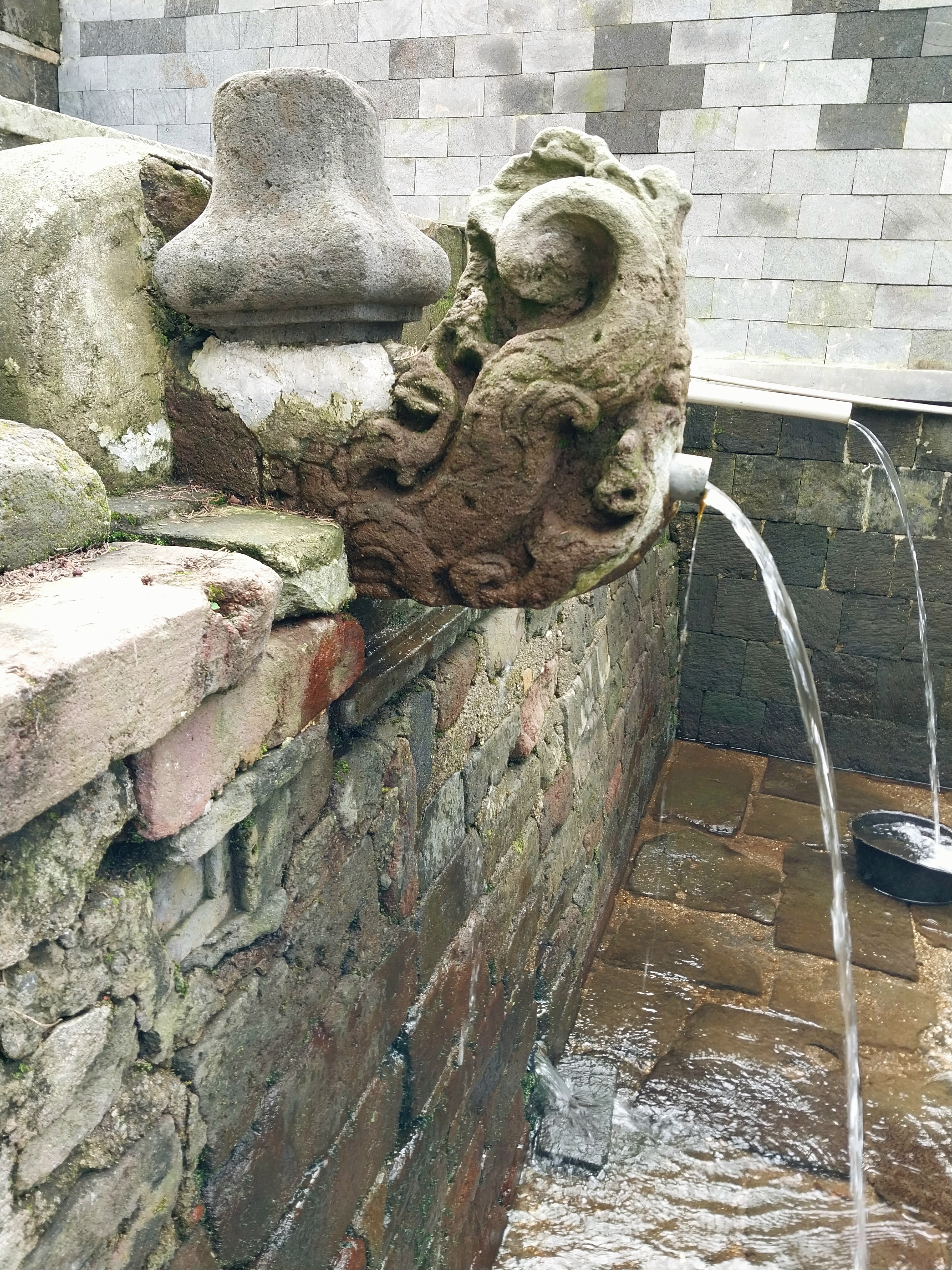
Tuk Bimo Lukar – The Hidden Spring Oasis of Central Java
Discover the crystal‑clear waters of Tuk Bimo Lukar, a lesser‑known spring tucked away in the highlands of Wonosobo, Central Java. Whether you’re a nature lover, a cultural explorer, or simply chasing the perfect Instagram backdrop, this tranquil spot deserves a place on your Indonesian itinerary.
1. Introduction
Imagine stepping off a winding mountain road into a quiet clearing where the air smells of fresh pine and the only sound is the gentle murmur of water flowing over stone. That’s the first impression you get at Tuk Bimo Lukar, a pristine spring that has long been a secret haven for locals and an emerging gem for adventurous travelers. Nestled at coordinates ‑7.204544, 109.913154 in the heart of Wonosobo, Central Java, this natural oasis offers a refreshing escape from the bustling cities of Java and a chance to reconnect with Indonesia’s rugged beauty.
2. About Tuk Bimo Lukar
What Is It?
Tuk Bimo Lukar (sometimes spelled Tuk Bima Lukar) is a natural spring that bubbles up from the volcanic soils of the Dieng Plateau region. The water is cool, clear, and reputed to have a slightly mineral taste—typical of springs that emerge from limestone and volcanic rock. While official records do not list its exact height or altitude, the surrounding landscape sits at a moderate elevation, giving the spring a crisp, mountain‑air feel.
A Brief History
The name “Tuk Bimo Lukar” is rooted in local Sundanese and Javanese language, where “Tuk” means “source” or “spring,” and “Bimo Lukar” is believed to be a traditional personal name linked to the area’s early settlers. Oral histories suggest that the spring served as a communal water source for nearby villages for centuries, and it continues to be a gathering place for locals who come to bathe, wash clothes, or simply enjoy the serenity.
Cultural Significance
In many parts of Central Java, natural water sources are considered sacred and are often associated with folklore and rituals. While there is no widely documented festival specifically dedicated to Tuk Bimo Lukar, the spring is respected as a life‑giving element—a sentiment echoed across the region’s many “mata air” (water springs). Visitors who respect the site’s tranquility and clean‑up after themselves are welcomed as guests of the local community.
3. How to Get There
From the Nearest Airports
| Airport | Approx. Distance | Recommended Transport |
|---|---|---|
| Adisumarmo International Airport (SOC), Solo | ~130 km | Rent a car or hire a driver; the drive takes about 3‑4 hours via the Solo‑Wonosobo route (Jalan Raya Solo‑Wonosobo). |
| Ahmad Yani International Airport (SRG), Semarang | ~150 km | Private car or shuttle to Wonosobo; the journey follows the Trans Java toll road (Jalan Tol Trans Jawa) then provincial roads to the highlands. |
By Train
The Wonosobo Railway Station (Stasiun Wonosobo) is served by the Ambarawa‑Wonosobo line. From the station, you can take a local minibus (angkot) or arrange a motorbike taxi to the spring. The ride from the station to Tuk Bimo Lukar is roughly 10 km and takes about 30 minutes on a winding mountain road.
By Road
If you’re already on the island, the most straightforward route is:
- From Yogyakarta – Drive north on the Jalan Raya Yogyakarta‑Wonosobo (National Route 14). The highway climbs steadily, offering scenic views of tea plantations and volcanic peaks.
- From Bandung – Head east on Jalan Raya Bandung‑Wonosobo (National Route 1), crossing the Cilacap‑Cilacap pass before descending into Wonosobo.
The final stretch to the spring is a gravel road that may be narrow during the rainy season. A four‑wheel‑drive vehicle or a sturdy motorbike is recommended for comfort and safety.
Local Guidance
Because the spring is off the main tourist trail, it’s wise to hire a local guide in Wonosobo. Guides can provide insight into the spring’s history, ensure you take the safest path, and help you discover hidden viewpoints along the way.
4. Best Time to Visit
| Season | Weather | Visitor Experience |
|---|---|---|
| Dry Season (May – September) | Warm days, low humidity, minimal rain | Ideal for hiking, swimming, and clear views of the surrounding highlands. |
| Wet Season (October – April) | Frequent showers, higher humidity | The spring’s flow is stronger, but some access roads may become slippery. If you don’t mind a bit of mud, the lush green scenery is spectacular. |
Peak recommendation: June to August offers the most reliable weather, comfortable temperatures (20‑26 °C), and the clearest water for swimming and photography.
5. What to Expect
The Landscape
Upon arrival, you’ll be greeted by a small, open clearing surrounded by pine and eucalyptus trees. The spring itself emerges from a shallow rock basin, forming a natural pool that stretches about 8‑10 meters in diameter. The water is crystal clear, reflecting the sky and the surrounding foliage like a mirror.
Activities
- Swimming & wading: The water temperature stays cool year‑round—perfect for a refreshing dip after a hike.
- Picnicking: Bring a packed lunch and enjoy it on the grassy banks while listening to the gentle flow.
- Photography: Early morning light creates a soft glow on the water; the surrounding mist adds a mystical vibe.
- Cultural immersion: Chat with locals who may be washing clothes or gathering water; respectful interaction enriches the experience.
Facilities
Tuk Bimo Lukar is a natural site with minimal infrastructure. There are no formal restrooms or food stalls, so plan accordingly. A few simple wooden benches have been placed by the community for visitors to sit.
6. Nearby Attractions
While Tuk Bimo Lukar can easily fill a half‑day adventure, the surrounding region boasts several other natural wonders within a short drive. Check them out to create a full‑day itinerary:
| Attraction | Distance from Tuk Bimo Lukar | Type | Quick Link |
|---|---|---|---|
| [Dam (Unnamed)] | 7.8 km | Dam | (link to local tourism page) |
| Kalipancuran | 9.6 km | Spring | (link to Kalipancuran info) |
| Mata Air Jumprit | 12.7 km | Spring | (link to Jumprit details) |
| Mata Air Mudal | 14.7 km | Spring | (link to Mudal description) |
| [Second Dam (Unnamed)] | 17.0 km | Dam | (link to dam overview) |
Pro tip: Pair your visit to Tuk Bimo Lukar with a loop drive that includes Kalipancuran and Mata Air Jumprit. The combined spring tour offers varied water colors, from turquoise to deep emerald, and a chance to compare the different geological formations.
7. Travel Tips
- Pack Light, Pack Smart – Bring a waterproof backpack, a quick‑dry towel, and sandals that can handle wet stones.
- Cash is King – Small villages around Wonosobo rarely accept credit cards. Carry enough Indonesian Rupiah (IDR) for guide fees, snacks, and any donations to the local community.
- Respect the Environment – Leave no trace. Take all trash with you, avoid using plastic bottles, and refrain from feeding wildlife.
- Stay Connected – Mobile coverage can be spotty in the highlands. Download offline maps (Google Maps or Maps.me) before you set out.
- Safety First – The pool’s edges can be slippery, especially after rain. Test the water depth before jumping, and keep an eye on children at all times.
- Timing – Arrive early (before 10 am) to beat any crowds and capture the soft morning light for photos.
- Local Etiquette – When greeting locals, a simple “Selamat pagi” (good morning) goes a long way. If you’re invited to share a meal, it’s polite to accept a small portion.
- Health – The water is clean but not treated. If you have a sensitive stomach, avoid drinking directly from the spring; bring your own bottled water.
Final Thoughts
Tuk Bimo Lukar may not appear on every travel brochure, but that’s precisely why it feels like a secret treasure waiting to be discovered. Its clear waters, peaceful atmosphere, and authentic local vibe embody the spirit of Central Java’s natural heritage. Whether you’re chasing a quiet spot for meditation, a cool swim after a mountain trek, or simply a new backdrop for your travel diary, Tuk Bimo Lukar delivers an unforgettable experience.
Pack your sense of adventure, respect the land, and let the spring’s gentle flow guide you into the heart of Indonesia’s highland charm.
Keywords: Tuk Bimo Lukar, spring in Central Java, Wonosobo travel, Indonesia natural attractions, hidden springs Indonesia, Dieng Plateau, Central Java travel guide, Indonesia off‑the‑beaten‑path, best time to visit Central Java.