Qilinsi Dam – A Hidden Engineering Marvel in Sichuan, China
Explore the serene beauty, impressive engineering, and nearby wonders of Qilinsi Dam, tucked away in Banqiao, Sichuan.
1. Introduction
If you think the most famous sights in China are the Great Wall, the Terracotta Army, or the neon-lit skyline of Shanghai, think again. Nestled in the rolling hills of Banqiao, Sichuan Province, Qilinsi Dam offers travelers a rare blend of rugged natural scenery and modern engineering. At 52 meters tall, this concrete‑gravity dam may not dominate the world’s record books, but its tranquil reservoir, sweeping mountain backdrop, and proximity to other spectacular dams make it a perfect off‑the‑beaten‑path destination for adventure seekers, photography lovers, and anyone craving a quiet spot away from the tourist crowds.
2. About Qilinsi Dam
What Is Qilinsi Dam?
- Type: Concrete gravity dam
- Location: Banqiao, Sichuan, China (32.759105 N, 105.328504 E)
- Height: 52 m (≈170 ft)
Built to regulate water flow and support local hydro‑electric power generation, Qilinsi Dam plays a modest yet vital role in Sichuan’s water management system. While detailed historical records are limited, the dam’s design reflects the engineering standards of late‑20th‑century Chinese water projects—robust, functional, and built to withstand the region’s seasonal river fluctuations.
Why It Matters
Sichuan’s rugged terrain is criss‑crossed by fast‑moving rivers, making dams essential for flood control, irrigation, and renewable energy. Qilinsi Dam contributes to these goals while creating a calm, reflective reservoir that has become a favored spot for locals to fish, picnic, and capture sunrise reflections on the water’s surface. Its relatively low profile (compared with towering mega‑dams) allows the surrounding hills to remain the visual star, offering a harmonious balance between human ingenuity and nature.
3. How to Get There
By Air
The nearest major airport is Chengdu Shuangliu International Airport (CTU), about 210 km (≈130 mi) north‑west of Banqiao. From Chengdu, you can rent a car or catch a long‑distance bus to the town of Mianyang, a regional hub with frequent connections to Banqiao.
By Train
High‑speed rail lines link Chengdu to Mianyang Railway Station in roughly 2 hours. From Mianyang, local buses or taxis will take you the remaining 70 km to Banqiao. The train ride offers scenic glimpses of Sichuan’s countryside—an early preview of the landscapes you’ll encounter at Qilinsi Dam.
By Road
- Self‑drive: The most flexible option. From Chengdu, follow the G5 Beijing‑Kunming Expressway north, then take the S212 provincial road east toward Banqiao. The drive takes about 3.5 hours, and the route is well‑marked with plenty of rest stops.
- Bus: Direct long‑distance buses run from Chengdu’s Chengdu West Bus Station to Banqiao daily. Tickets can be purchased online or at the station. Expect a 4‑hour journey with a few scenic stops along the way.
Local Transportation
Once in Banqiao, a short taxi ride (≈10 minutes) or a local minibus will drop you at the dam’s visitor area. There is limited parking, so arriving early—especially on weekends—helps secure a spot.
4. Best Time to Visit
| Season | Weather | Why Visit |
|---|---|---|
| Spring (Mar‑May) | Mild temperatures (12‑20 °C), blossoming wildflowers | Ideal for hiking around the reservoir and photographing the fresh green hills. |
| Summer (Jun‑Aug) | Warm, occasional rain (20‑28 °C) | Water levels are highest, creating dramatic reflections; perfect for picnics by the lake. |
| Autumn (Sep‑Nov) | Cool, crisp air (10‑18 °C), vibrant foliage | The hills turn gold and red, offering spectacular panoramic shots of the dam against a colorful backdrop. |
| Winter (Dec‑Feb) | Cold, occasional frost (0‑8 °C) | Fewer visitors, serene snow‑kissed scenery; great for peaceful contemplation and sunrise photography. |
Peak visitation tends to be late spring and early autumn, when weather is comfortable and the surrounding landscape is at its most photogenic. If you prefer solitude, consider a weekday in late winter.
5. What to Expect
Scenic Highlights
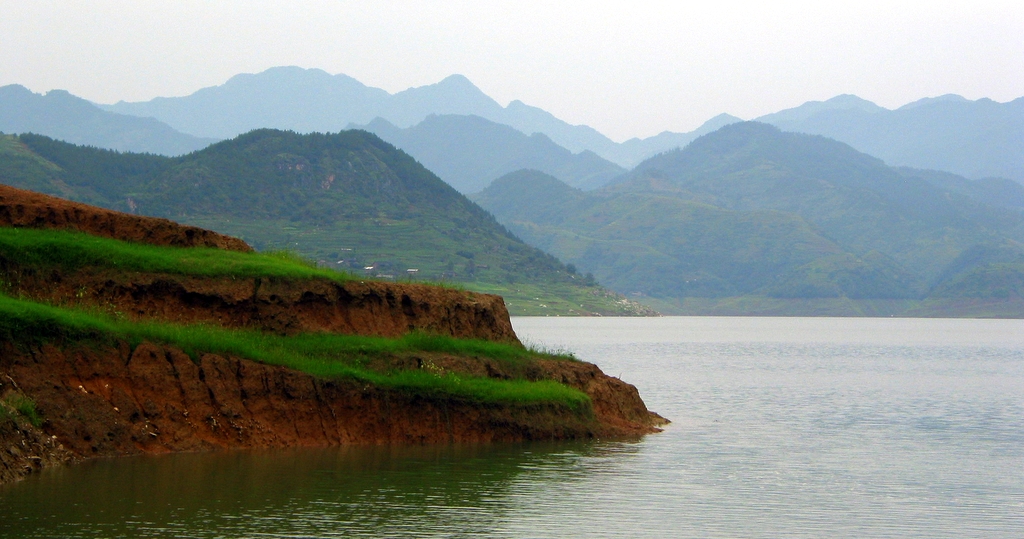
- The Reservoir: A glass‑like expanse that mirrors surrounding peaks, especially at sunrise and sunset.
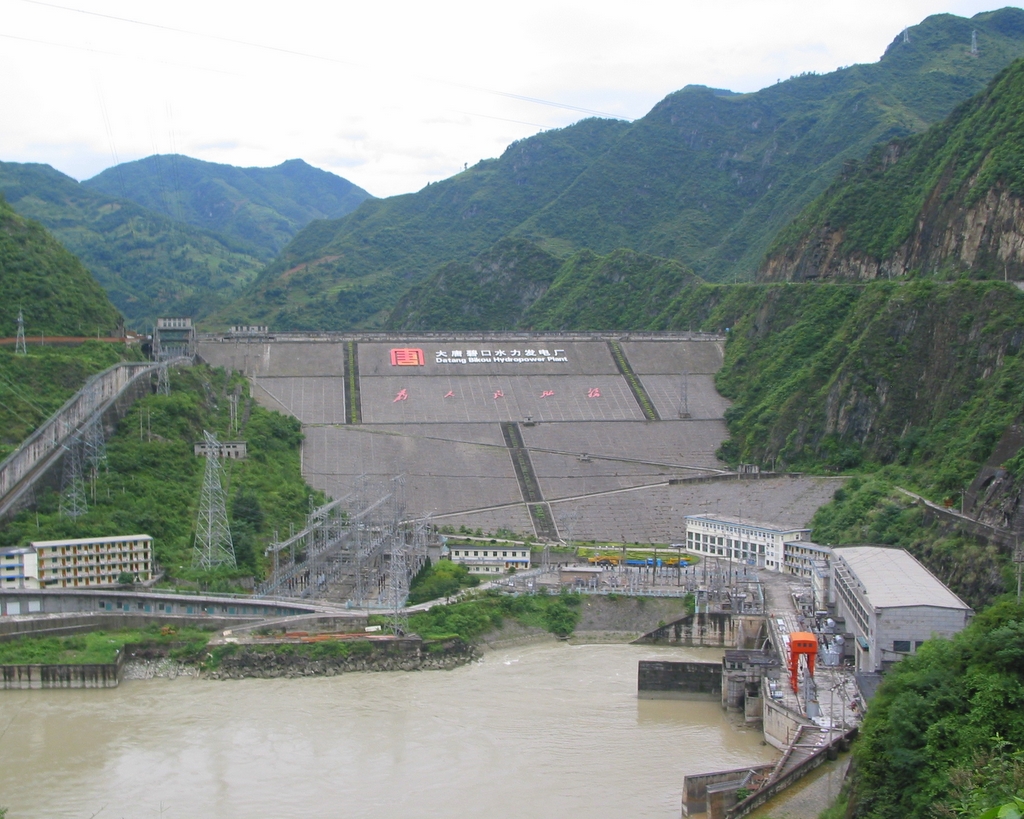
- Dam Architecture: The concrete face of the 52‑meter structure is surprisingly accessible; safe viewing platforms let you appreciate the engineering up close.
- Flora & Fauna: Expect pine forests, bamboo groves, and occasional sightings of macaques or river otters near the water’s edge.
Activities
- Photography: Capture long exposure shots of water flow, sunrise over the dam, and mist‑laden valleys.
- Hiking: A modest trail circles the reservoir (≈3 km), offering lookout points every few hundred meters.
- Picnicking: Designated grassy spots near the dam’s footbridge provide ideal settings for a relaxed lunch.
Facilities
- Visitor Center: Small information kiosk with maps and basic historical displays.
- Restrooms: Clean, gender‑separated facilities near the main parking area.
- Food: No on‑site restaurants, but nearby Banqiao town offers local Sichuan street food (spicy noodles, grilled skewers).
6. Nearby Attractions
Qilinsi Dam sits in a region peppered with other impressive water projects and natural sites—perfect for a day‑trip itinerary.
| Attraction | Distance | Province | Highlights | Link |
|---|---|---|---|---|
| Bikou Dam | 9.8 km | Gansu | Tall concrete arch dam, dramatic canyon views | Bikou Dam Wiki |
| Miaojiaba Dam | 31.9 km | Gansu | Multi‑purpose dam with hydro‑electric plant | Miaojiaba Dam Wiki |
| Bailong Lake (白龙湖) | 37.3 km | Sichuan | Alpine lake surrounded by forested peaks, boating & hiking | Bailong Lake Wiki |
Note: Two additional dam sites are listed at 31.9 km and 32.3 km in Gansu, but specific names were not provided. Travelers can inquire locally for the exact locations—often small, less‑publicized reservoirs that still make for interesting photo stops.
Suggested Day Loop:
Start at Qilinsi Dam in the morning, head east to Bikou Dam for a quick photo session, continue north to Miaojiaba Dam, and finish the day with a relaxing sunset at Bailong Lake. The entire loop can be completed in 6‑8 hours with moderate driving.
7. Travel Tips
- Carry Cash: Small towns in Sichuan may not accept mobile payments everywhere, especially at roadside stalls.
- Dress in Layers: Weather can shift quickly, especially in spring and autumn. A light jacket is advisable.
- Stay Hydrated: Altitude is modest, but the sun can be strong. Bring a reusable water bottle.
- Respect Local Culture: Banqiao residents are friendly but appreciate modest behavior near religious sites (if you pass any small temples).
- Photography Gear: A tripod is useful for low‑light shots of the dam at dusk. Polarizing filters help reduce glare on the water.
- Check Dam Access: Occasionally, maintenance work may restrict certain viewing platforms. Confirm opening hours at the visitor center upon arrival.
- Language: Mandarin is the primary language; a translation app can help with menu items and signage.
- Safety: While the reservoir is safe for walking along the shore, swimming is prohibited due to strong currents and water treatment processes.
8. Wrap‑Up
Qilinsi Dam may not appear on every travel brochure, but that’s exactly why it’s worth the journey. Its modest height belies the stunning vistas, peaceful atmosphere, and the sense of discovery that comes with exploring a lesser‑known corner of Sichuan. Pair it with nearby dams and the crystal‑clear waters of Bailong Lake, and you have a full day of engineering marvels, natural beauty, and authentic Chinese countryside charm.
Ready to add a hidden gem to your China itinerary? Pack your camera, map out the route from Chengdu, and let the tranquil waters of Qilinsi Dam welcome you to a side of Sichuan most travelers miss. Safe travels!