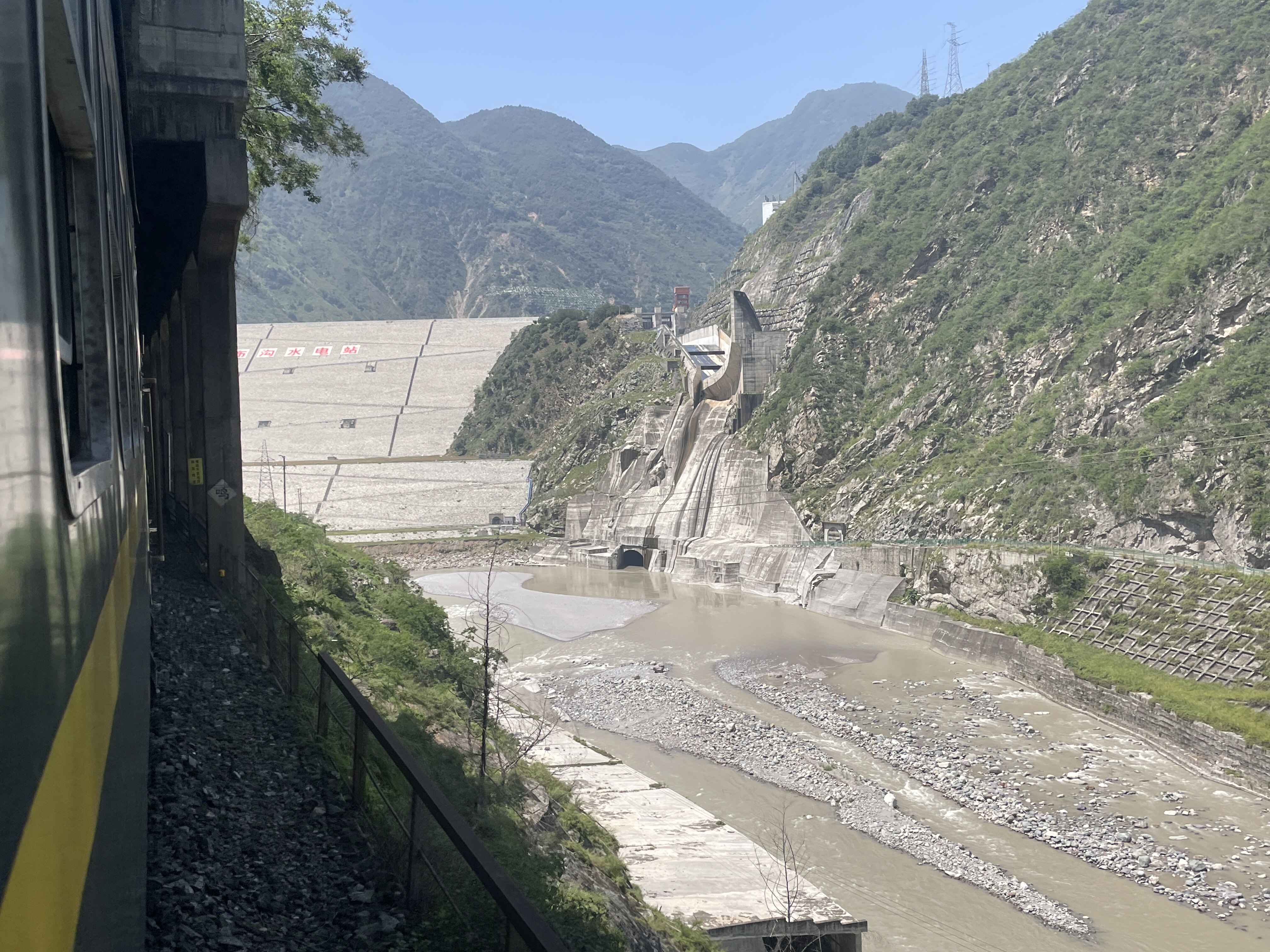
瀑布沟大坝 (Pubugou Dam) – A Hidden Hydropower Gem in Sichuan, China
Explore the engineering marvel, stunning scenery, and nearby attractions of the Pubugou Dam in Shirong, Sichuan.
1. Introduction
If you think China’s travel highlights are limited to the Great Wall, pandas, and bustling megacities, think again. Deep in the rugged mountains of western Sichuan lies 瀑布沟大坝 (Pubugou Dam) – a colossal hydro‑electric project that blends raw power with breathtaking natural beauty. Whether you’re a civil‑engineering enthusiast, a nature lover, or a traveler hunting off‑the‑beaten‑path experiences, the Pubugou Dam offers a unique window into China’s modern water‑resource strategy while rewarding you with panoramic river valleys, mist‑kissed cliffs, and a sense of awe that only massive concrete structures can inspire.
In this guide, we’ll walk you through everything you need to know to plan a memorable visit: the dam’s story, how to get there, the best seasons to explore, what you’ll see on site, nearby attractions, and essential travel tips. Let’s dive in!
2. About 瀑布沟大坝
A Brief History
The Pubugou Dam (Chinese: 瀑布沟大坝) is a gravity dam built on the Dadu River in Shirong County, Sichuan Province. Construction began in the early 2000s as part of China’s ambitious “West‑to‑East Power Transmission” program, aiming to harness the river’s tremendous flow for clean electricity. The dam officially entered operation in 2008, contributing several gigawatts of hydro‑electric capacity to the national grid.
While the exact height of the dam is not publicly disclosed, its massive concrete structure stretches across a broad canyon, creating a reservoir that has reshaped the local landscape. The project sparked considerable attention—both for its engineering scale and for the social‑environmental discussions it triggered, especially regarding the relocation of nearby villages.
Why It Matters
- Renewable Energy – Pubugou Dam is a cornerstone of Sichuan’s renewable power portfolio, helping reduce reliance on coal and supporting China’s carbon‑reduction goals.
- Engineering Feat – The dam showcases modern Chinese dam‑building techniques, including advanced concrete placement, seismic design, and flood‑control mechanisms.
- Scenic Value – The reservoir, framed by towering cliffs and dense forest, offers spectacular photo opportunities, especially when sunrise light paints the water gold.
For a deeper dive into the dam’s technical specs and history, you can check the Pubugou Dam Wikipedia page.
3. How to Get There
From Chengdu (the Gateway to Sichuan)
-
Fly or Take a High‑Speed Train to Chengdu – Chengdu Shuangliu International Airport (CTU) receives numerous domestic and international flights. If you’re already in China, the high‑speed rail network connects Chengdu to most major cities in under 5 hours.
-
Travel to Ya’an or Meishan – The Dadu River basin is best accessed via the Sichuan Provincial Highway 108. From Chengdu, you have two common options:
- Bus – Long‑distance buses depart from Chengdu’s Chengdu West Bus Station (or Chengdu Xinnanmen Bus Station) to Ya’an (≈ 3 hours).
- Train – Take a regional train from Chengdu Railway Station to Ya’an Railway Station (≈ 2.5 hours).
-
Shirong County Transfer – From Ya’an, catch a local minibus or taxi heading north to Shirong County (≈ 1.5 hours). The road winds through forested valleys, offering glimpses of the Dadu River along the way.
-
Final Leg to Pubugou Dam – Once in Shirong, you can hire a private car or join a guided tour that will take you the remaining 12‑15 km to the dam site. The last stretch follows a well‑maintained service road used by dam workers, but a reliable vehicle is recommended because the terrain can be steep.
By Car (Self‑Drive)
If you enjoy road trips, renting a car in Chengdu and driving to the dam is feasible. The route is: Chengdu → Ya’an (G5 Expressway) → Shirong (S108). Expect 10–12 hours of driving total, with scenic stops at the Liangshan Mountains and Bifengxia Panda Base along the way.
Getting Permission
Because Pubugou Dam is an active hydro‑electric facility, visitor access is controlled. Most tour operators arrange a short briefing with dam officials before you can walk the observation deck. It’s wise to book a guided tour in advance through a reputable Chengdu travel agency or the Shirong County tourism office.
4. Best Time to Visit
| Season | Weather | Visitor Experience |
|---|---|---|
| Spring (Mar–May) | Mild temperatures (10‑20 °C), occasional rain | River levels rise, creating dramatic mist over the reservoir; ideal for photography. |
| Summer (Jun–Aug) | Warm, occasional thunderstorms | Longer daylight for hiking; be prepared for humidity and possible high water flow. |
| Autumn (Sep–Nov) | Cool, clear skies (15‑22 °C) | Peak season – vibrant foliage on surrounding hills, crisp air, and stable river conditions. |
| Winter (Dec–Feb) | Cold (0‑8 °C), occasional snow | Fewer crowds; the dam’s concrete glistens with frost, but some access roads may be icy. |
Recommendation: Late September to early November offers the most comfortable climate, stunning autumn colors, and the best visibility for the dam’s engineering details.
5. What to Expect
On‑Site Experience
- Observation Deck – Most tours end at a secure platform that gives a panoramic view of the dam’s spillway and the expansive reservoir. Bring a zoom lens for close‑up shots of the turbines and concrete joints.
- Interpretive Center – A small visitor center displays models, diagrams, and multilingual panels explaining the dam’s purpose, construction timeline, and environmental safeguards.
- Guided Walk – Trained staff lead a short walk along a safety‑restricted path that skirts the dam’s crest, allowing you to feel the sheer scale of the structure.
- River Views – From the opposite bank, you can admire the Dadu River’s rapid flow as it enters the reservoir, especially impressive during the spring melt.
Amenities
- Restrooms and a modest café (serving tea, bottled water, and simple snacks) are available near the visitor parking lot.
- Parking – A paved lot accommodates private cars and tour buses; fees are modest (≈ ¥10 per vehicle).
Photography Tips
- Golden Hour – Arrive early (around 6 am) or stay until sunset to capture the dam bathed in warm light.
- Long Exposures – Use a tripod to smooth the water’s surface, creating a silky effect that contrasts with the dam’s sharp lines.
- Drone Use – If you have a drone, verify local regulations; many Chinese scenic areas restrict aerial filming without a permit.
6. Nearby Attractions
While the Pubugou Dam is the star, the surrounding region brims with other engineering wonders and natural sites. All distances are measured from the dam’s main entrance.
| Attraction | Type | Distance | Why Visit |
|---|---|---|---|
| (dam) | Dam | 12.8 km | Another hydro‑electric facility showcasing Sichuan’s water power network. |
| 深溪沟水电站 | Dam | 13.7 km | Offers a quieter riverside setting and a small visitor pavilion. |
| (dam) | Dam | 13.9 km | Features a unique arch‑type design, perfect for architecture buffs. |
| 苏雄电站 | Dam | 18.8 km | Known for its scenic walking trail along the reservoir’s edge. |
| 枕头坝一级水电站 | Dam | 20.2 km | The “Pillow Dam” earned its nickname from the rounded shape of its spillway. |
Tip: Many of these dams can be visited on a single day with a local driver, allowing you to compare different construction styles and enjoy varied vistas along the Dadu River.
7. Travel Tips
-
Book a Guided Tour – Access to the dam’s interior is limited to organized groups. Reputable agencies in Chengdu or Ya’an can arrange a half‑day or full‑day tour that includes transportation, a bilingual guide, and the necessary safety briefings.
-
Carry Identification – Chinese citizens and foreign travelers alike must present a passport or ID card when entering the dam area.
-
Dress for the Mountain Climate – Even in summer, mornings can be cool. Wear layered clothing, sturdy walking shoes, and a wind‑proof jacket.
-
Stay Hydrated – Altitude is moderate, but the dry mountain air can cause dehydration. Bring a reusable water bottle.
-
Respect Local Communities – Several villages were relocated during the dam’s construction. Be courteous, ask permission before photographing residents, and support local vendors if you stop for a snack.
-
Cash is King – Small towns in Sichuan often rely on cash (¥). While major hotels accept cards, roadside stalls and taxi drivers may prefer cash.
-
Internet Access – Mobile data works well in most of Sichuan, but you may encounter weak signals near the dam. Download offline maps (e.g., Gaode/AutoNavi or Google Maps offline) before you set off.
-
Health Precautions – Altitude sickness is rare at this elevation, but if you have respiratory issues, bring any necessary medication.
-
Language – Mandarin is the primary language; a few locals speak the local Sichuan dialect. Learning simple phrases like “你好 (nǐ hǎo)” and “谢谢 (xièxiè)” goes a long way.
-
Leave No Trace – The area is environmentally sensitive. Pack out all trash, stay on designated paths, and avoid disturbing wildlife.
Conclusion
The 瀑布沟大坝 (Pubugou Dam) may not appear on the typical tourist itineraries, but that’s precisely what makes it a rewarding destination for the adventurous traveler. From its impressive concrete walls and the roar of the Dadu River to the surrounding cascade of dams and verdant mountain scenery, a visit here offers a rare blend of industrial heritage and natural splendor.
Plan your trip for the crisp autumn months, secure a guided tour, and take the time to explore the neighboring hydro‑electric sites. You’ll leave Sichuan with a deeper appreciation for China’s engineering ambition—and a collection of unforgettable photos that capture both the power and the poetry of the Chinese highlands.
Happy travels, and may your journey to Pubugou Dam be as inspiring as the dam itself!