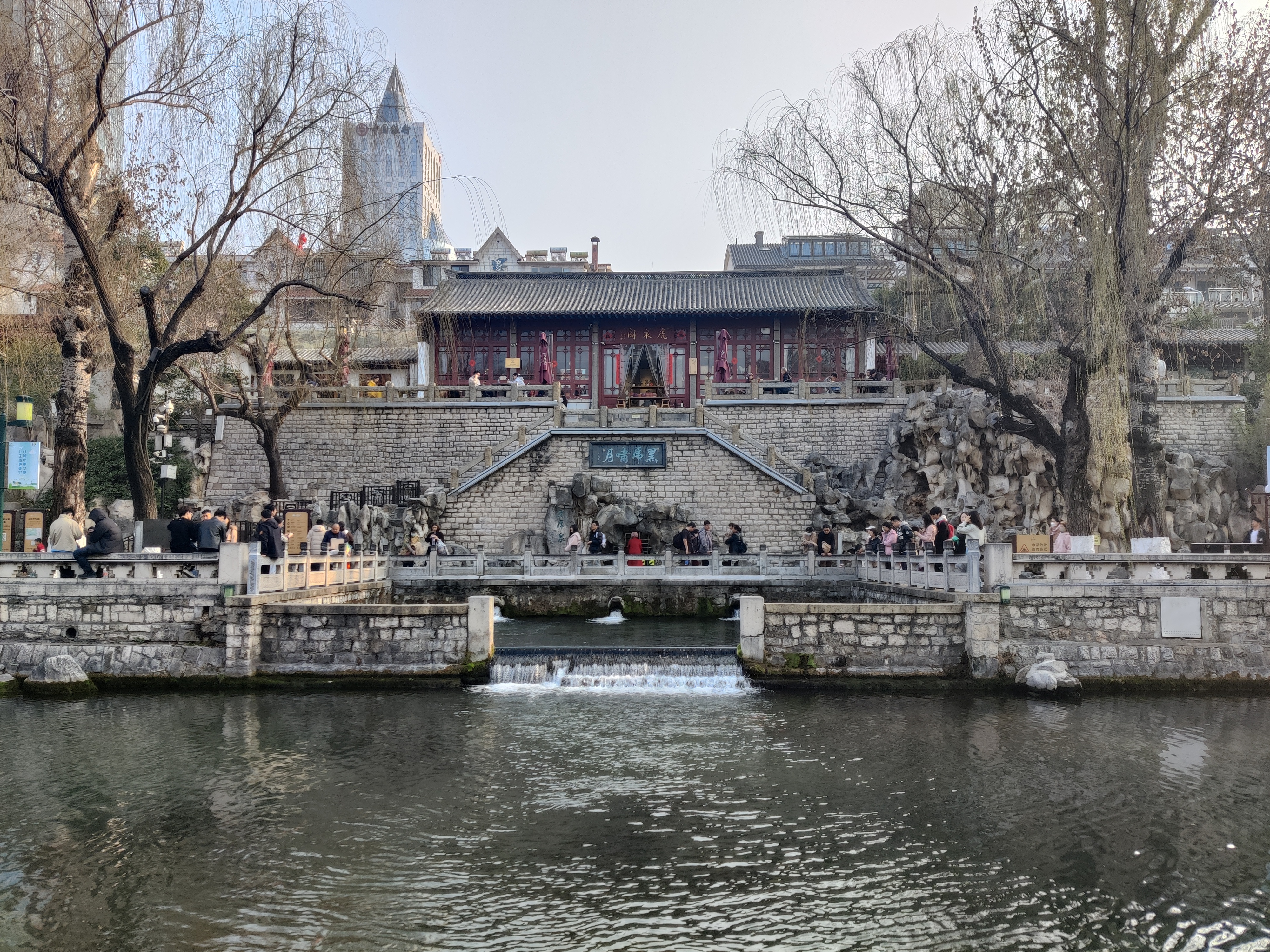
黑虎泉 · 黑虎啸月 – Jinan’s Roaring Jewel of Shandong
If you’ve ever dreamed of wandering through a city where water sings, where ancient legends ripple beneath crystal‑clear pools, then the Black Tiger Spring (黑虎泉) in Jinan, Shandong Province should be at the top of your itinerary. Known locally as 黑虎啸月 (“the tiger’s roar under the moon”), this spring is a living piece of Chinese natural heritage that captivates travelers with its powerful gush, historic charm, and tranquil surroundings.
1. Introduction
Imagine standing at the edge of a spring where the water erupts with the force of a tiger’s roar, shimmering under the moonlight, while the city of Jinan—nicknamed the “City of Springs”—buzzes gently in the background. That’s the unforgettable experience awaiting you at Black Tiger Spring. Nestled in the heart of Jinan, this iconic spring is more than just a water source; it’s a cultural landmark, a photographer’s dream, and a serene escape from the urban rush. Whether you’re a history buff, a nature lover, or a wanderlust‑driven explorer, Black Tiger Spring offers a perfect blend of natural wonder and Chinese tradition.
2. About 黑虎泉 · 黑虎啸月
Description & Geography
- Name: 黑虎泉 · 黑虎啸月 (Black Tiger Spring / Tiger Roaring Moon)
- Type: Natural spring (泉)
- Location: Jinan, Shandong Sheng, China
- Coordinates: 36.662080 N, 117.027220 E
- Altitude/Height: Not publicly recorded
Black Tiger Spring is situated in the historic Lixia District of Jinan, a city famed for its network of over 70 springs that feed the Daming Lake and shape the city’s identity. The spring’s name derives from the striking visual and auditory effect when its water bursts from a stone basin shaped like a tiger’s head, producing a deep, resonant roar that locals poetically liken to a tiger’s call under the moonlit sky.
A Brief History
The spring has been celebrated for centuries, appearing in classical Chinese poetry and travelogues as a symbol of Jinan’s vitality. During the Ming and Qing dynasties, scholars and officials would gather at Black Tiger Spring to enjoy tea, discuss philosophy, and admire the spring’s clear water, which was believed to possess health‑boosting properties. The surrounding garden was later expanded during the Republican era, adding pavilions and stone bridges that still stand today.
Cultural Significance
- Heritage: Recognized as one of Jinan’s “72 Famous Springs,” Black Tiger Spring is protected as a cultural relic.
- Literary Inspiration: Poets such as Li Bai and Du Fu referenced Jinan’s springs, and Black Tiger Spring’s roar has inspired countless verses about nature’s power.
- Tourist Icon: The spring is featured on many Jinan tourism brochures and often appears in postcards showcasing Shandong’s natural beauty.
For a deeper dive into its history, check the Black Tiger Spring Wikipedia page.
3. How to Get There
By Air
- Jinan Yaoqiang International Airport (TNA) is the nearest major airport, located ~30 km north of the city center. From the airport, you can take a taxi (≈ 30 min) or the Airport Express Bus (Line 1) to Jinan Railway Station, then transfer to local transport.
By Train
- Jinan Railway Station (京沪高速铁路) and Jinan West Railway Station (京津城际) receive high‑speed trains from Beijing, Shanghai, and other major cities. From either station, hop on a city bus or a metro line (Line 2) heading toward the Lixia District.
Public Transport (Metro & Bus)
- Metro: Take Line 2 to Jinshui Station (金水站). From there, a short 10‑minute walk brings you to the spring’s entrance.
- Bus: Routes K1, K3, and 115 stop at “黑虎泉” (Black Tiger Spring) bus stop. The stop is just a stone’s throw from the spring’s main viewing platform.
By Taxi / Ride‑Sharing
- A taxi from Jinan Railway Station to Black Tiger Spring costs roughly ¥30–¥40 and takes about 15 minutes depending on traffic. Ride‑sharing apps like Didi operate city‑wide and are a convenient alternative.
Parking (If You Drive)
- Limited street parking is available near the spring, but the area can get crowded on weekends. Public parking lots are located a few blocks away on Yong’an Road (永安路) with a modest hourly fee.
4. Best Time to Visit
| Season | Weather & Atmosphere | Why Visit |
|---|---|---|
| Spring (Mar‑May) | Mild temperatures (12‑20 °C), blooming cherry blossoms around the spring. | Ideal for photography; the water’s clarity is at its peak. |
| Summer (Jun‑Aug) | Warm (25‑30 °C), occasional rain showers. | Evening visits under the moon (“啸月”) create a magical glow on the water. |
| Autumn (Sep‑Nov) | Cool, crisp air (10‑18 °C), colorful foliage. | Fewer crowds; the “tiger’s roar” sounds especially resonant in the still air. |
| Winter (Dec‑Feb) | Cold (−2‑5 °C), occasional frost. | The spring may partially freeze, offering a rare icy spectacle—check local updates. |
Peak Visitor Periods: Chinese public holidays (e.g., May Day, National Day, Chinese New Year) draw larger crowds. If you prefer a quieter experience, aim for weekdays in early spring or late autumn.
5. What to Expect
The Senses
- Sight: The spring’s main pool is framed by a stone basin carved into a tiger’s head, with water jetting upward in a graceful arc. Moonlight often reflects off the surface, creating silvery ripples that look like a tiger’s whiskers.
- Sound: As the water bursts, it produces a deep, resonant roar that can be heard from a short distance—hence the name “虎啸” (tiger’s roar).
- Touch: The water is famously cool and exceptionally clear. Many visitors dip their hands into the pool, feeling the refreshing flow.
- Smell: The surrounding garden is scented with lilac and plum blossoms, especially in spring.
Facilities
- Viewing Platform: A wooden deck offers panoramic views of the spring and the adjacent garden.
- Interpretive Signage: Bilingual panels (Chinese/English) explain the spring’s history and geology.
- Rest Areas: Benches and shaded pavilions allow for leisurely contemplation.
- Refreshments: Small tea stalls nearby serve local Jinan tea and light snacks.
Photography Tips
- Golden Hour: Arrive an hour before sunrise or after sunset to capture the soft light that highlights the water’s sparkle.
- Long Exposure: Use a tripod and a slow shutter speed (2‑5 seconds) to turn the roaring water into silky ribbons.
- Moonlit Shots: If visiting on a clear night, position yourself opposite the moon to capture the “虎啸月” effect—water illuminated by moonlight.
6. Nearby Attractions
Jinan’s spring district is a compact cluster of natural wonders, each just a short stroll away from Black Tiger Spring. Exploring them together makes for a perfect half‑day itinerary.
| Attraction | Distance from Black Tiger Spring | Quick Highlights |
|---|---|---|
| 九女泉 (Jiǔ Nǚ Quán – Nine Girls Spring) | 0 km (same spring park) | A series of nine small springs, each with its own legend about maidens. |
| 白石泉 (Bái Shí Quán – White Stone Spring) | 0.1 km | Known for its pristine white stone basin and crystal‑clear water. |
| 玛瑙泉 (Mǎ Nǎo Quán – Agate Spring) | 0.1 km | Features agate-colored rocks that give the water a subtle amber hue. |
| 琵琶泉 (Pí Pá Quán – Lute Spring) | 0.1 km | Shaped like a traditional Chinese lute, the spring produces a gentle, melodic flow. |
Explore More:
- Daming Lake (大明湖): A short 15‑minute bus ride north, this historic lake is surrounded by pavilions, lotus gardens, and walking trails.
- Baotu Spring (趵突泉): The most famous of Jinan’s springs, located about 3 km east—ideal for a full‑day spring tour.
(All nearby attractions are linked to their respective Wikipedia pages where available.)
7. Travel Tips
- Dress Comfortably: Spring and autumn mornings can be chilly; bring a light jacket. Summer evenings may be warm—carry a portable fan or a hat.
- Footwear: Wear flat, waterproof shoes as the stone pathways can become slippery when wet.
- Cash & Mobile Payments: Most vendors accept Alipay and WeChat Pay, but keep a small amount of cash for street stalls that may only take cash.
- Respect the Site: The spring is a protected cultural relic. Avoid climbing on the stone basin or littering.
- Stay Hydrated: While the spring water is safe to view, it’s not recommended for drinking without proper filtration. Purchase bottled water from nearby shops.
- Language: Signage is bilingual, but learning a few basic Mandarin phrases (e.g., “你好” nǐ hǎo – hello, “谢谢” xièxiè – thank you) enhances the experience.
- Connectivity: Free Wi‑Fi is available at the visitor center; however, a local SIM card (China Mobile or China Unicom) ensures reliable navigation if you venture further.
- Timing: Arrive early (8 am–9 am) to beat the crowds and enjoy the spring’s tranquil ambiance.
Wrap‑Up
Black Tiger Spring (黑虎泉) is more than a splash of water in Jinan—it’s a living testament to the city’s centuries‑old relationship with nature, poetry, and community. From the thunderous roar that gives the spring its fierce name to the moonlit reflections that inspire quiet contemplation, every moment spent here feels like stepping into a living Chinese painting.
Whether you’re mapping out a Jinan spring tour, seeking a serene spot for meditation, or hunting the perfect Instagram shot, Black Tiger Spring promises an unforgettable encounter with Shandong’s most iconic natural wonder. Pack your camera, bring an open mind, and let the tiger’s roar guide you through the heart of Jinan.
Happy travels! 🌏✨