趵突泉(中) – The Heartbeat of Jinan’s Legendary Springs
If you’ve ever dreamed of stepping into a living postcard where crystal‑clear water bubbles up from the earth, you’re about to discover why Baotu Spring (趵突泉) is Jinan’s most iconic natural wonder. Nestled in the bustling capital of Shandong Province, the central spring (趵突泉(中)) is the beating heart of a network of springs that have inspired poets, painters, and travelers for centuries.
1. Introduction
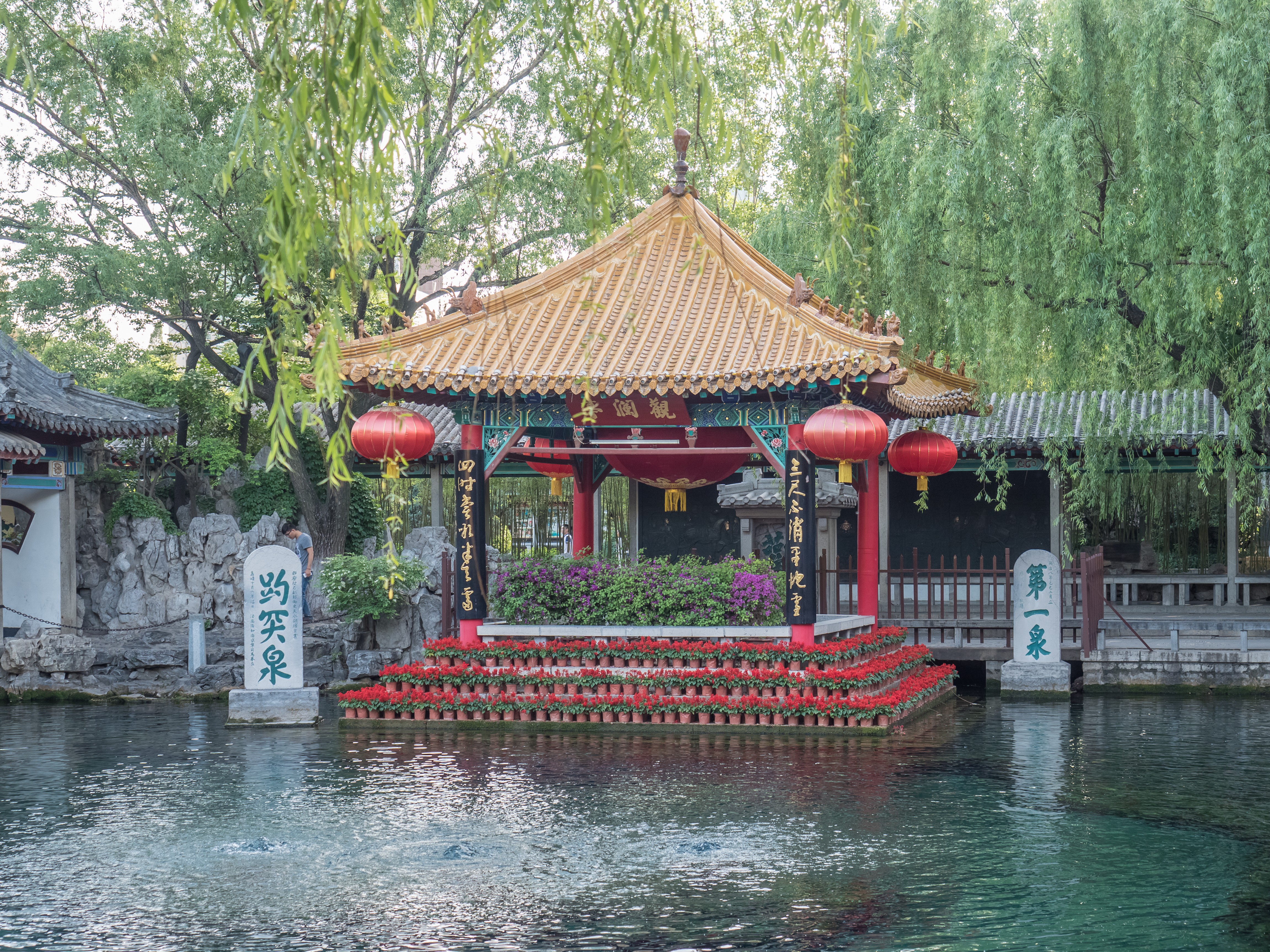
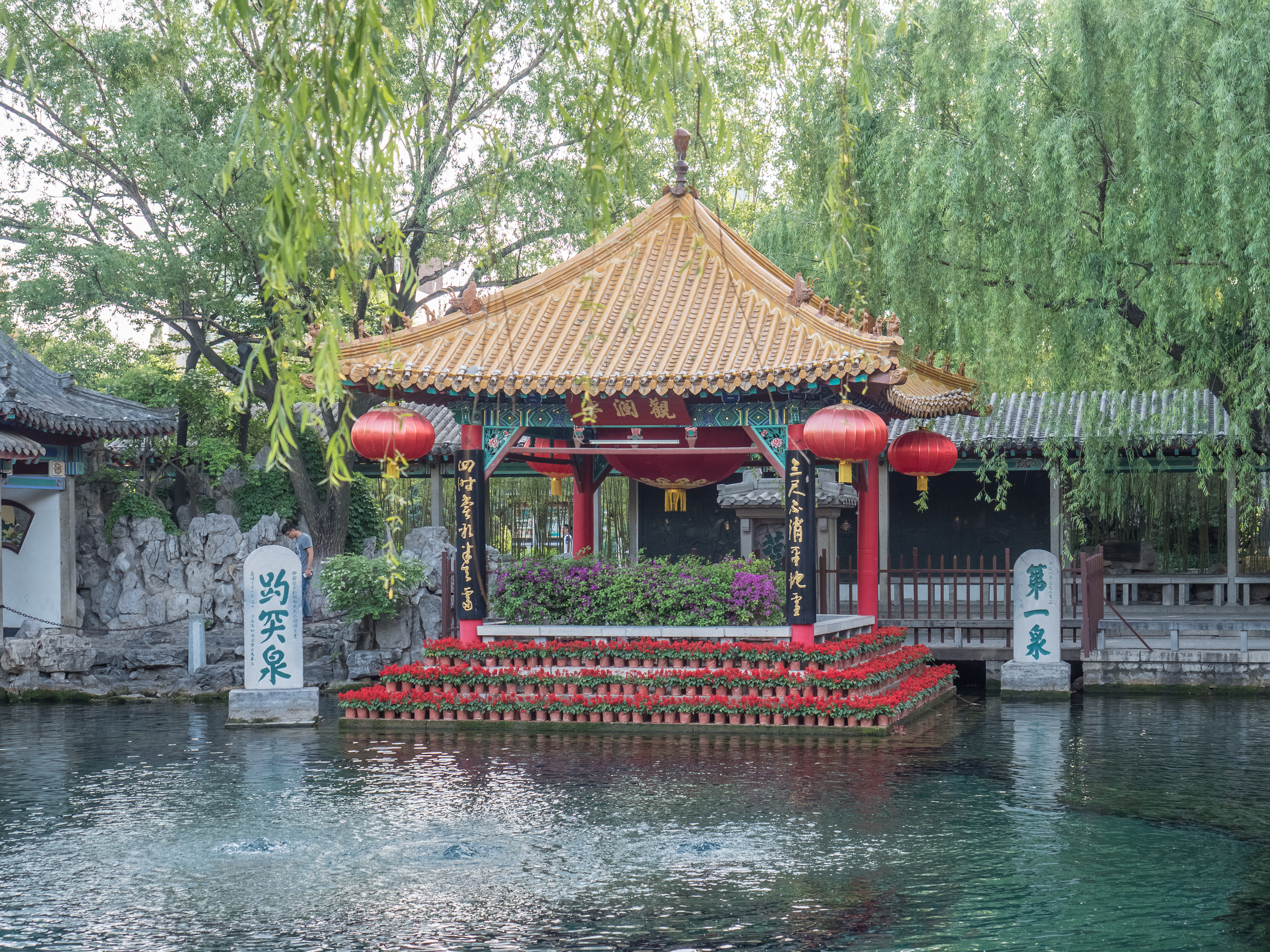
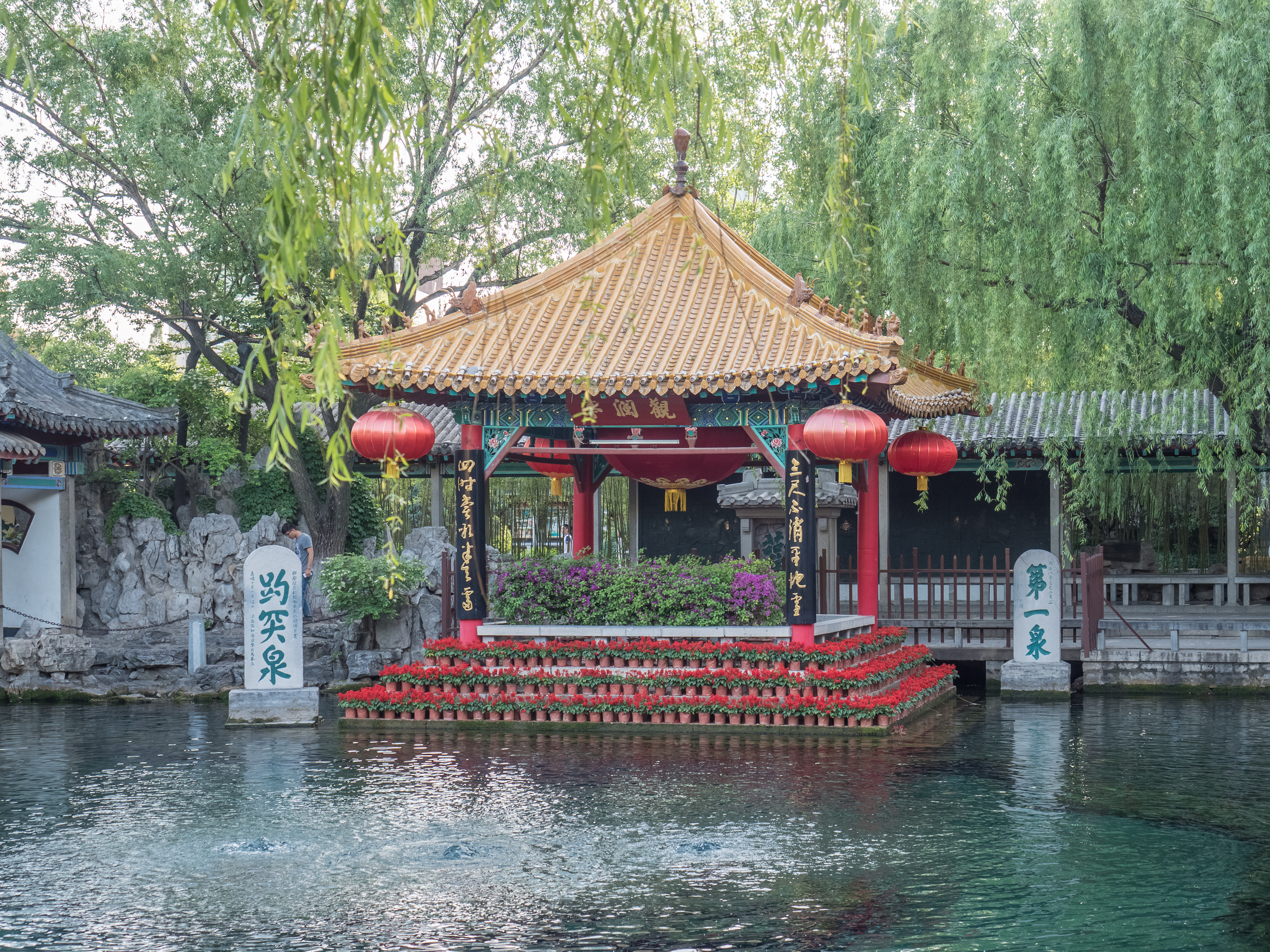
Imagine standing on a stone‑paved promenade, the air filled with the gentle hiss of water and the faint scent of moss. In front of you, a towering spring gushes with such vigor that the water seems to dance on its own. This is 趵突泉(中), the central spring of the famed Baotu Spring Park, often hailed as the “First Spring under Heaven.”
Travelers to Jinan—known as the “City of Springs”—make a beeline for this spot because it encapsulates the city’s unique blend of natural beauty, cultural heritage, and modern vitality. Whether you’re a nature lover, a history buff, or simply chasing that perfect Instagram moment, Baotu Spring offers an unforgettable experience that epitomizes the spirit of Shandong.
2. About 趵突泉(中)
A Living Legend
Baotu Spring’s name derives from the ancient Chinese phrase “趵突” (bào tū), describing the sudden, vigorous spouting of water. The central spring is the most prominent of the three main springs—North (北), Central (中), and South (南)—that together form the Baotu Spring Group. While the exact height and altitude of the spring’s jet are not recorded, its power is unmistakable: the water erupts from a limestone fissure at a pressure that can reach up to 1.5 meters per second, creating a perpetual fountain that has been flowing for millennia.
Historical Roots
The spring’s fame dates back to the Tang Dynasty (618–907 AD), when poets such as Li Bai praised its clear waters. During the Ming and Qing eras, imperial officials commissioned pavilions and stone bridges around the spring, turning the area into a refined garden retreat. In the early 20th century, the spring survived the turbulence of war and urban development, emerging as a protected cultural landmark.
Today, Baotu Spring is not only a natural marvel but also a nationally protected scenic spot. Its waters are renowned for their purity—so clean that locals historically used the spring to brew tea and even to wash delicate silk. The spring’s constant temperature of around 18 °C (64 °F) makes it a year‑round oasis in the sometimes scorching summer heat of Shandong.
Cultural Significance
Baotu Spring has inspired countless works of art, from traditional ink paintings to modern photography. The spring’s name appears in classical literature, and its image is featured on local souvenirs, postcards, and even the Jinan municipal logo. Visiting the central spring is, in effect, stepping into a living piece of Chinese cultural heritage.
3. How to Get There
By Air
- Jinan Yaoqiang International Airport (TNA) is the nearest major gateway, located about 45 km north of the city center. From the airport, you can catch an airport shuttle bus or a taxi directly to Baotu Spring Park. The taxi ride typically costs ¥120–¥150 and takes roughly 45 minutes depending on traffic.
By Train
- Jinan Railway Station (both the high‑speed and conventional stations) sits just 3 km from Baotu Spring. From the station, hop on Bus No. 101 or Metro Line 1 (Jinan Metro) to Baotu Spring Station (趵突泉站). The metro ride is under 10 minutes and costs ¥2.
By Bus & Metro
- Metro Line 1 (Green Line) has a dedicated stop: Baotu Spring Station. Follow the signs for “趵突泉” once you exit the station; you’ll find yourself at the park’s main entrance within a few minutes.
- City buses such as 101, 102, 108, and 112 also stop at the Baotu Spring bus terminal, a short walk from the central spring.
By Car / Ride‑Sharing
- If you prefer a private ride, major ride‑sharing platforms (DiDi, Meituan) operate throughout Jinan. Input “趵突泉(中)” or simply “Baotu Spring” as the destination.
Walking & Accessibility
- The park’s pathways are paved and wheelchair‑friendly, with gentle ramps leading to the viewing platforms around the central spring. For those staying in downtown Jinan, a 15‑minute walk from the Jinan Railway Station is a pleasant way to soak in the city’s historic streets.
4. Best Time to Visit
| Season | Weather | Why Visit |
|---|---|---|
| Spring (Mar‑May) | Mild temperatures (10‑20 °C), occasional rain | The surrounding gardens burst into blossom, and the spring’s water looks especially vibrant against fresh greenery. |
| Summer (Jun‑Aug) | Warm to hot (25‑35 °C) | The spring’s cool, steady flow offers a refreshing respite from the heat. Evening lantern festivals add a magical glow. |
| Autumn (Sep‑Nov) | Pleasant (15‑22 °C), clear skies | Mist often drifts over the water, creating ethereal photo opportunities; the foliage turns amber, framing the spring beautifully. |
| Winter (Dec‑Feb) | Cold (‑2‑8 °C) | While some smaller springs may freeze, Baotu’s central jet continues to flow, producing a dramatic steam‑filled scene that’s unique to Jinan. |
Peak visitor periods are during the Chinese Golden Week (early October) and the National Day holiday (first week of October). Arriving early in the morning (7:00–8:30 am) helps you beat the crowds and enjoy the tranquil sunrise over the water.
5. What to Expect
The Visual Spectacle
Approaching the central spring, you’ll first notice the grand stone archway that frames the water’s ascent. The spring’s jet shoots upward from a natural limestone vent, forming a shimmering column that constantly reshapes itself as wind and temperature shift. Around the spring, a series of ancient stone tablets and calligraphy plaques narrate the spring’s history.
Sensory Experience
- Sound: A gentle, continuous murmur of water creates a calming soundtrack.
- Touch: Small pools at the base of the spring invite you to dip your fingers—though the water is protected, you can still feel the cool spray on your skin.
- Smell: The air carries a faint mineral scent, mixed with the subtle fragrance of nearby pine and lotus blossoms.
Cultural Activities
- Traditional Performances: During weekends and holidays, local musicians perform on a nearby stage, playing guzheng and erhu while the spring provides a natural backdrop.
- Tea Tasting: Some tea houses inside the park serve “Spring Water Tea”, brewed with Baotu’s pure water—a unique taste you won’t find elsewhere.
Facilities
- Restrooms and information kiosks are located near the main entrance.
- Free Wi‑Fi is available throughout the park, allowing you to instantly share your photos.
- Souvenir shops sell miniature replicas of the spring, calligraphy scrolls, and locally made “Baotu Spring” bottled water (a popular gift).
6. Nearby Attractions
The central spring is part of a larger spring cluster that makes Baotu Spring Park a compact yet rich day‑trip destination. All the following spots are within walking distance (0 km) of 趵突泉(中) and can be explored in a single visit.
| Attraction | Type | Quick Link |
|---|---|---|
| 趵突泉(南) | Spring | Baotu Spring South |
| 趵突泉(北) | Spring | Baotu Spring North |
| 登州泉 | Spring | Dengzhou Spring |
| 无忧泉 | Spring | Wuyou Spring |
| 满井泉 | Spring | Manjing Spring |
Tip: Follow the park’s signage to each spring; they’re linked by stone pathways and each has its own distinct pavilion and legend.
7. Travel Tips
- Arrive Early: The park opens at 6:30 am. Early visitors enjoy softer light for photography and fewer crowds.
- Dress Comfortably: Wear flat, breathable shoes—the stone walkways can become slippery when misty.
- Carry a Small Umbrella: A lightweight rain shield is handy for sudden summer showers and for protecting your camera from spray.
- Respect the Water: While you can admire the spring up close, do not drink directly from the pools (they’re protected for conservation).
- Cash & Mobile Payments: Most vendors accept Alipay and WeChat Pay, but keep a small amount of ¥ for souvenir stalls that may prefer cash.
- Language: Signage is bilingual (Chinese & English). If you need assistance, most park staff speak basic English.
- Photography: The best shots are taken from the lower viewing platform (early morning) and the upper pavilion (late afternoon). Experiment with long exposures to capture the silky motion of the water.
- Combine with City Highlights: After exploring Baotu Spring, consider a short walk to Daming Lake (≈15 min) or the historic Qingzhou Ancient City (≈30 min by bus) for a fuller Jinan experience.
Final Thought
Visiting 趵突泉(中) is more than a stop on a travel itinerary—it’s an immersion into the living pulse of Jinan’s natural and cultural identity. The spring’s timeless flow reminds us that while cities evolve, the earth’s gifts endure. So pack your camera, bring a curious mind, and let Baotu Spring’s crystal waters refresh both body and soul.
Happy travels, and may the spring’s gentle whisper guide your next adventure!