趵突泉(南) — Jinan’s Hidden Gem of Crystal‑Clear Waters
Discover the southern spring of Baotu, a serene oasis in the heart of Shandong’s capital.
Introduction
If you’ve ever imagined a city where water flows like silk through ancient stone, Jinan—often called the “City of Springs”—is the place to start. While most travelers flock to the bustling central pool of Baotu Spring, there’s a quieter, equally enchanting counterpart just a stone’s throw away: 趵突泉(南) (Baotu Spring South). Nestled among a cluster of historic springs, this lesser‑known water wonder offers a peaceful retreat, crisp spring water, and a glimpse into the centuries‑old tradition of spring‑culture in Shandong. Whether you’re a nature lover, a history buff, or a photographer hunting that perfect ripple, Baotu Spring South deserves a spot on your Jinan itinerary.
About 趵突泉(南)
A Brief Description
- Type: Natural spring (💧)
- Location: Jinan, Shandong Province, China
- Coordinates: 36.660546 N, 117.009485 E
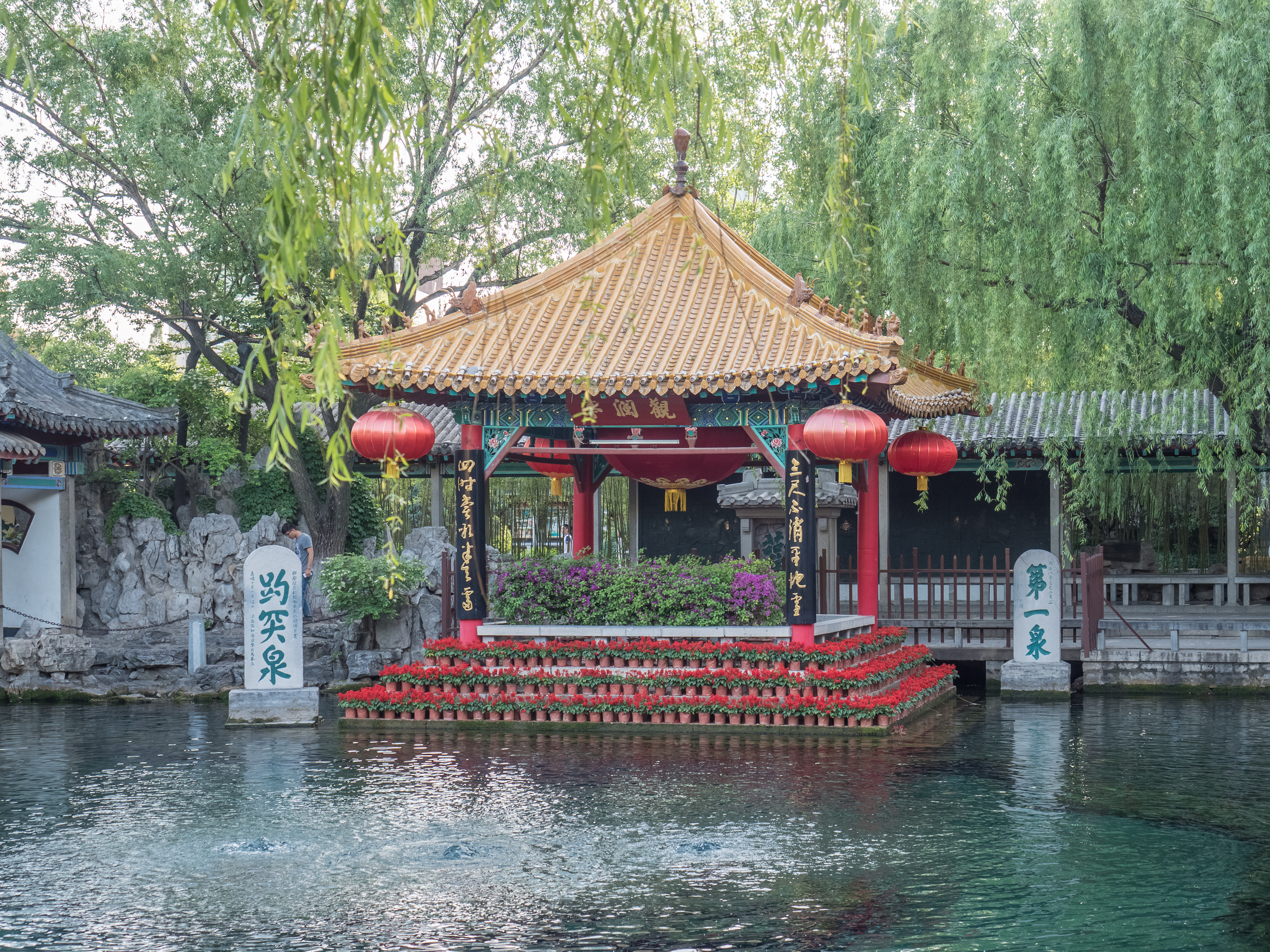
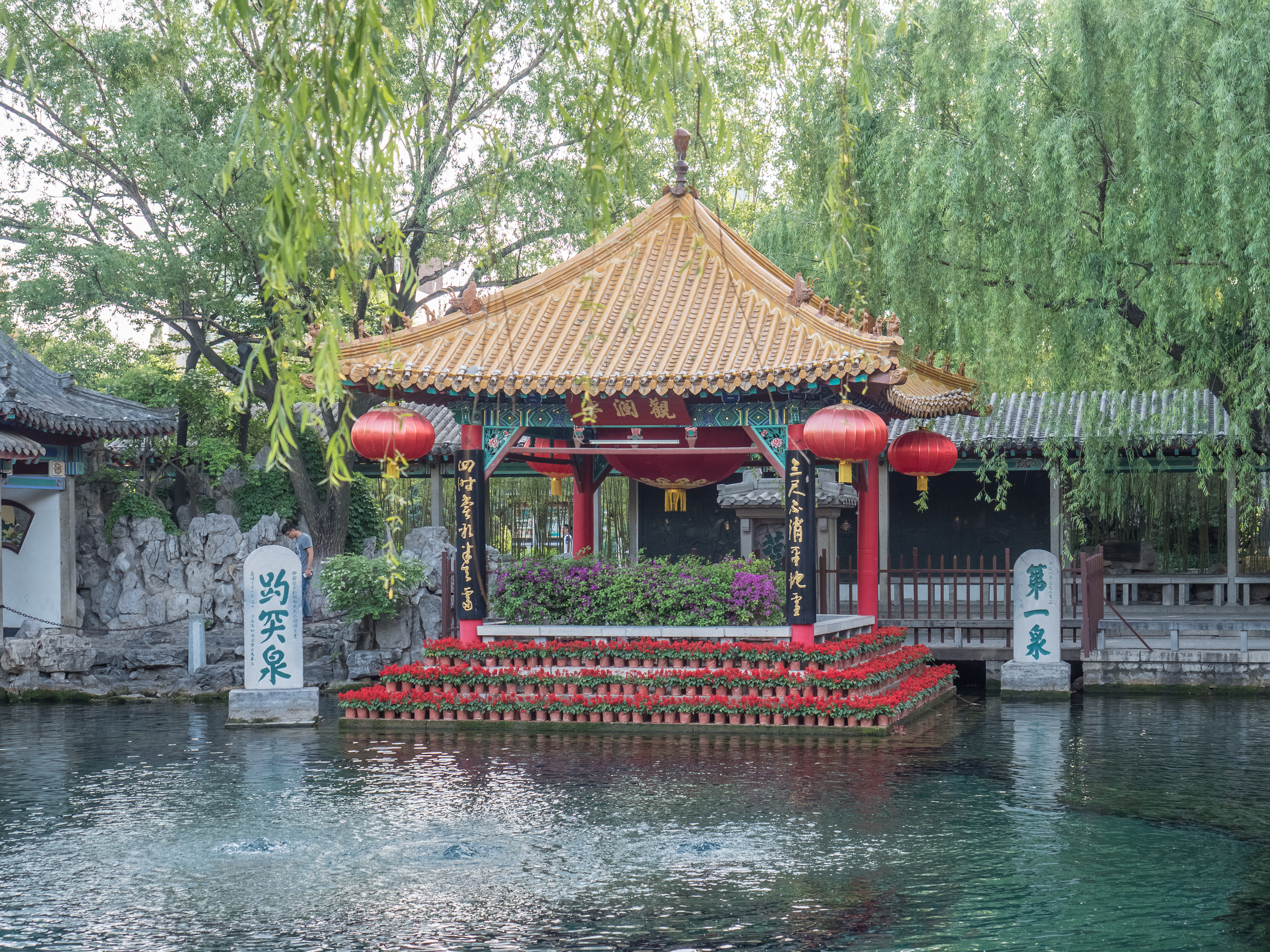
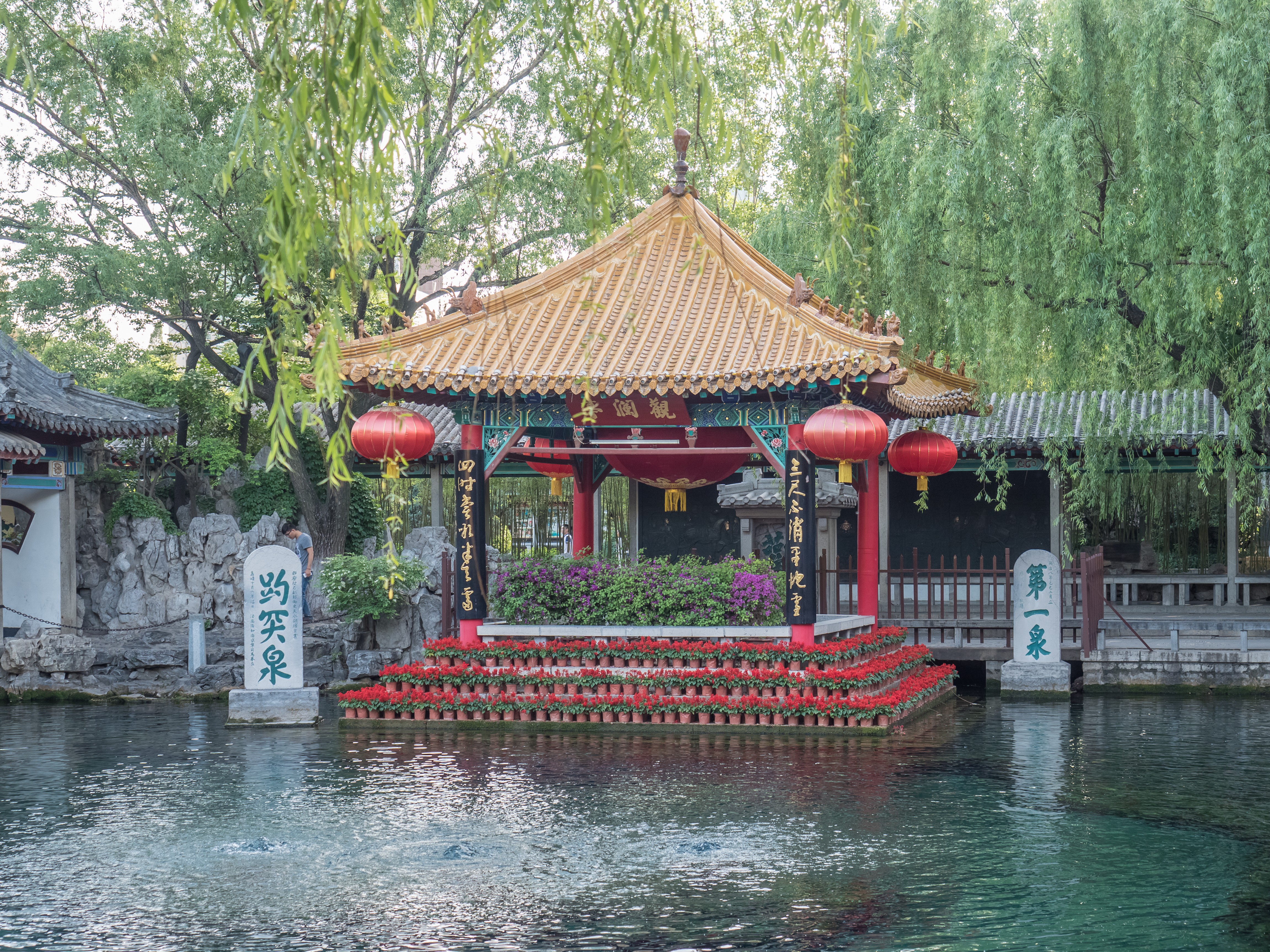
趵突泉(南) is part of the larger Baotu Spring complex, a network of artesian springs that have fed the city for millennia. While the central spring is famous for its towering water column, the southern spring offers a more intimate setting—gentle streams bubbling from stone basins, surrounded by lush willow trees and traditional Chinese pavilions.
Historical Significance
Baotu Spring has been celebrated in Chinese literature and poetry since the Tang dynasty, earning the nickname “the first spring under heaven.” The southern spring, though quieter, shares this illustrious heritage. Ancient records describe Jinan’s springs as the lifeblood of the city, providing drinking water, irrigation, and a spiritual sanctuary for scholars and monks. Over the centuries, the springs have inspired painters, calligraphers, and poets, many of whom referenced the tranquil sound of water “splitting the earth” (the literal meaning of “趵突”).
Today, 趵突泉(南) remains under the stewardship of the Jinan municipal parks department, preserving its crystal‑clear waters and historic ambiance for locals and visitors alike.
Why It Matters
- Cultural heritage: Part of a UNESCO‑listed spring system that embodies Chinese water‑culture.
- Ecological value: The spring’s natural filtration produces exceptionally pure water, a rarity in urban environments.
- Photography hotspot: Early morning mist and reflective pools create picture‑perfect scenes without the crowds of the main spring.
How to Get There
By Air
- Jinan Yaoqiang International Airport (TNA) is the nearest major airport, about 35 km from the spring. From the airport, take a taxi or a rideshare app (DiDi) directly to Baotu Spring Park; the southern spring is located within the park’s southern sector.
By Train
- Jinan Railway Station (high‑speed) and Jinan West Railway Station both receive frequent trains from Beijing, Shanghai, and other major cities. From either station, hop on a city bus (e.g., Bus 30 or 61) or the metro (Line 2, Dazhonglu Station) and alight at Baotu Spring Park stop.
By Public Transport (Within Jinan)
| Mode | Line/Route | Approx. Time | Remarks |
|---|---|---|---|
| Metro | Line 2 – Dazhonglu Station | 10 min walk | Exit B leads straight to the park entrance. |
| Bus | 30, 61, 105 | 20–30 min | Look for signs pointing to “趵突泉”. |
| Taxi / DiDi | Direct to “趵突泉(南)” | 15 min (depending on traffic) | Provide the Chinese name to avoid confusion. |
Walking Directions Inside the Park
Once inside Baotu Spring Park, follow the main pathway southward past the central pool. Signage in both Chinese and English marks the “South Spring (南泉)” entrance. The walk is scenic, flanked by lotus ponds and traditional stone bridges—perfect for a leisurely stroll before you reach the spring.
Best Time to Visit
| Season | Weather & Highlights | Visitor Experience |
|---|---|---|
| Spring (Mar–May) | Mild temperatures, blooming cherry blossoms, and the spring’s water at its clearest. | Ideal for photography; low crowd levels. |
| Summer (Jun–Aug) | Warm, occasional rain showers; the spring’s cool mist offers a refreshing escape. | Best for a quick dip (if permitted) and evening lantern displays. |
| Autumn (Sep–Nov) | Crisp air, golden foliage, and vibrant cultural festivals in Jinan. | Perfect for leisurely walks and tea ceremonies near the spring. |
| Winter (Dec–Feb) | Cold, sometimes icy surfaces; the water remains unfrozen, creating a striking contrast. | A quiet, meditative atmosphere; fewer tourists. |
Peak recommendation: Late March to early May, when the surrounding gardens are in full bloom and the water’s clarity is at its peak.
What to Expect
Sensory Highlights
- Visual: Crystal‑clear water bubbling from stone basins, reflecting the delicate arches of nearby pavilions. In the early morning, a thin veil of mist hovers over the surface, creating a dreamlike tableau.
- Auditory: A gentle, continuous gurgle—nature’s lullaby—mixed with the soft rustle of willow leaves.
- Tactile: The cool, mineral‑rich water feels invigorating on the skin; you can even sip directly from the spring’s stone channels (if local regulations allow).
Activities
- Stroll the Spring Trail: A paved walkway circles the southern spring, dotted with interpretive panels explaining the geology and history of Jinan’s artesian system.
- Cultural Performances: On weekends, local musicians perform traditional guzheng pieces near the spring, adding a melodic backdrop to your visit.
- Tea Break: Small tea kiosks serve “spring water tea”—a light green tea brewed with Baotu’s pristine water, reputed for its smooth taste.
- Photography: Capture the interplay of light and water at sunrise, or experiment with long‑exposure shots of the flowing spring at night when lanterns illuminate the pools.
Facilities
- Restrooms: Clean, gender‑separated facilities near the main entrance.
- Information Center: Staffed in Mandarin and English; offers maps, brochures, and QR codes linking to audio guides.
- Accessibility: Ramps and tactile paving make the southern spring area wheelchair‑friendly.
Nearby Attractions
Jinan’s spring district is a compact treasure trove of natural and cultural sites. All are within walking distance of 趵突泉(南):
| Attraction | Type | Distance | Quick Link |
|---|---|---|---|
| 趵突泉(中) | Spring (central) | 0 km | Baotu Spring (Central) |
| 趵突泉(北) | Spring (north) | 0 km | Baotu Spring (North) |
| 登州泉 | Spring | 0 km | Dengzhou Spring |
| 无忧泉 | Spring | 0 km | Wuyou Spring |
| 满井泉 | Spring | 0.1 km | Manjing Spring |
Tip: Plan a “Spring Circuit” by starting at the southern spring, moving northward through the central and northern springs, and finishing at the tranquil Manjing Spring. The short distances make it a pleasant half‑day walk.
Travel Tips
- Arrive Early: The park opens at 6:30 am. Early arrival guarantees a quiet atmosphere and the best light for photos.
- Dress Comfortably: Light layers are advisable—Jinan’s weather can shift quickly, especially in spring. Slip‑on shoes are ideal for the stone pathways.
- Stay Hydrated—but Not With the Spring Water: While the spring’s water is pure, local regulations may restrict direct drinking. Purchase bottled water or enjoy the tea offered on site.
- Respect Local Customs: It’s customary to bow slightly when passing a spring, acknowledging its cultural importance.
- Cash & Mobile Payments: Most vendors accept Alipay and WeChat Pay; however, keep a small amount of RMB for souvenir stalls that may only take cash.
- Language Help: Having the Chinese characters “趵突泉(南)” saved on your phone makes it easy to show taxi drivers or locals.
- Photography Etiquette: Avoid using flash near the water to protect the delicate ecosystem and respect fellow visitors.
- Seasonal Festivals: Check the Jinan tourism website for special events—such as the “Spring Water Lantern Festival” in autumn—when the park is illuminated with thousands of lanterns.
Final Thought
趵突泉(南) may not have the towering water column of its central counterpart, but its serene charm, crystal‑clear waters, and intimate connection to Jinan’s spring heritage make it a must‑see for any traveler exploring Shandong. Pair it with a leisurely spring‑circuit tour, savor a cup of tea brewed with the purest water in the city, and you’ll leave with a lasting impression of why Jinan truly is the “City of Springs.”
Pack your curiosity, bring a camera, and let the gentle murmur of Baotu Spring South guide you into the heart of Chinese natural beauty.