Baotu Spring (North) – A Hidden Gem in Jinan, Shandong
Discover the crystal‑clear waters, historic pavilions, and tranquil vibes of 趵突泉(北)— the northern spring of Jinan’s famed Baotu Spring complex.
1. Introduction
If you’ve ever dreamed of strolling through a living postcard where water dances over ancient stone, you’ll feel right at home at Baotu Spring (North) – the northernmost spring of Jinan’s legendary Baotu Spring Park. Nestled in the heart of Jinan, Shandong Province, this spring is part of a network of artesian springs that have earned the city the nickname “City of Springs.” While the central and southern springs often steal the spotlight, the northern spring offers a quieter, more contemplative experience—perfect for travelers who crave both natural beauty and a touch of Chinese history.
In this guide, we’ll dive into the story behind Baotu Spring (North), how to reach it, the best time to visit, what you’ll see and feel on the ground, nearby attractions worth a detour, and essential travel tips to make your Jinan adventure seamless and unforgettable.
2. About 趵突泉(北)
A Brief Description
- Type: Natural artesian spring
- Location: Jinan, Shandong Sheng, China
- Coordinates: 36.660591 N, 117.009477 E
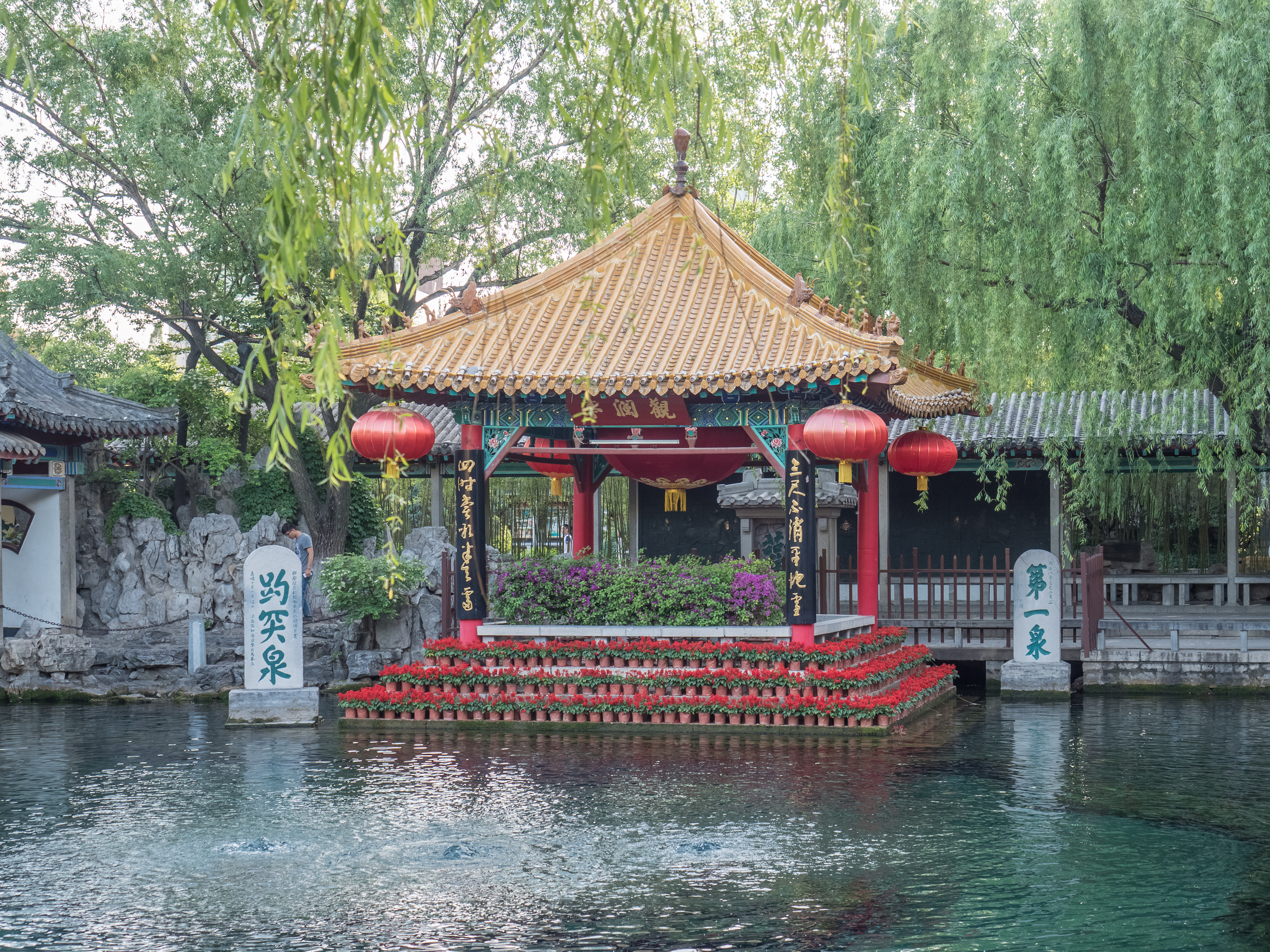
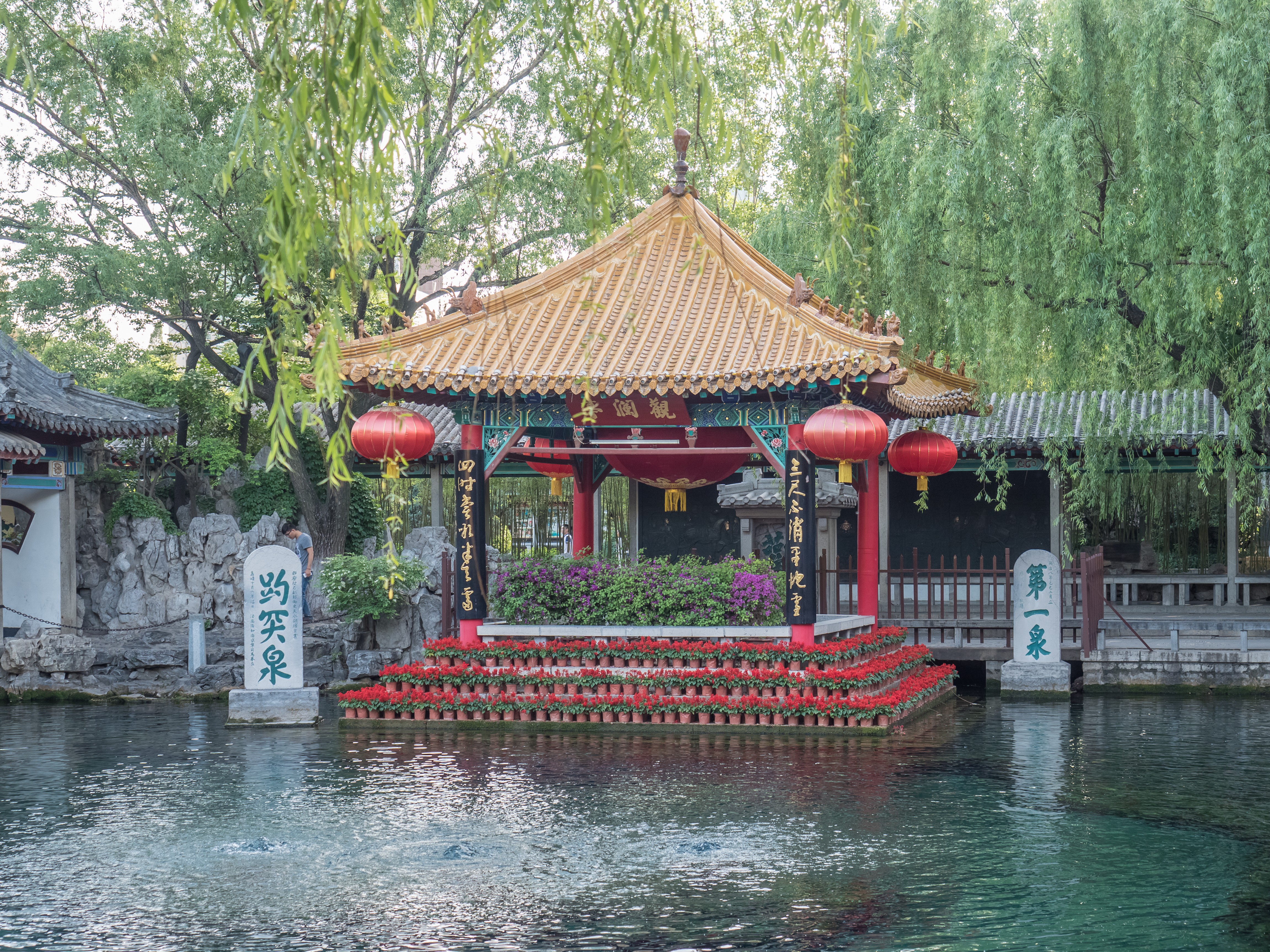
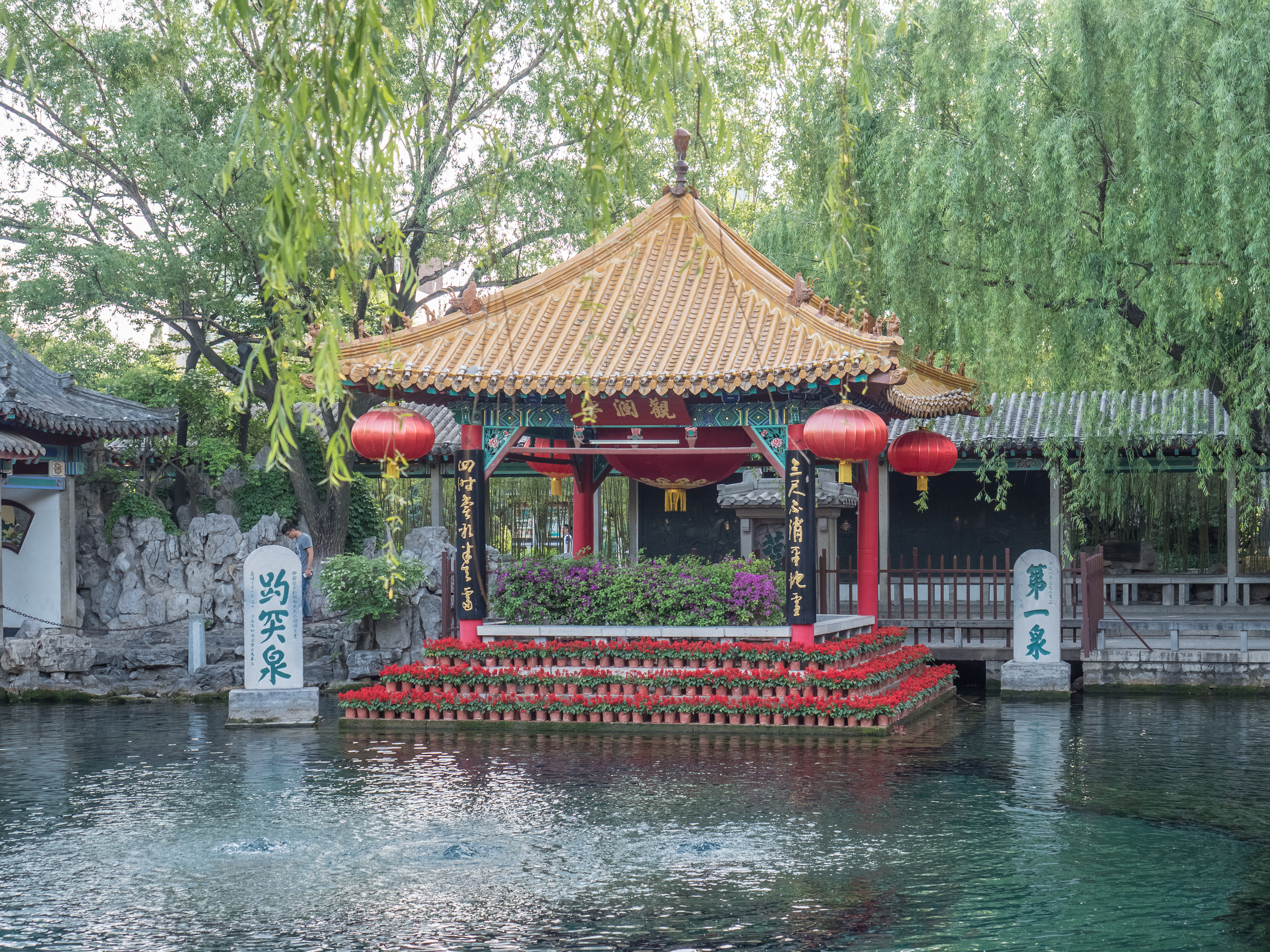
Baotu Spring (North) is one of the five primary springs that make up the Baotu Spring Group. The water emerges from a fissure in the limestone bedrock at a steady temperature of around 18 °C (64 °F), creating a gentle, bubbling gush that has been celebrated in Chinese poetry for centuries. The spring’s clear, mineral‑rich water flows into a series of stone basins and ornamental bridges, framed by traditional pavilions and lush willow trees.
Historical Significance
The name “Baotu” (趵突) roughly translates to “bursting out,” a nod to the sudden, forceful emergence of water from the underground aquifer. Historical records from the Ming (1368–1644) and Qing (1644–1912) dynasties describe Baotu Spring as a “treasure of heaven” and a source of drinking water for the imperial court.
During the Republic of China era, the spring area was developed into a public park, preserving its natural charm while adding cultural structures such as the Baiyun Pavilion and Yuefu Hall. Today, Baotu Spring (North) remains a symbol of Jinan’s identity and a beloved spot for locals to practice tai chi, enjoy tea, or simply pause for a moment of reflection.
3. How to Get There
By Air
- Jinan Yaoqiang International Airport (TNA) – the nearest major airport, about 45 km from the spring.
- From the airport, take a taxi (≈ 30 min, CNY 80–100) or the Airport Express Bus to Jinan Railway Station, then transfer to local transit.
By Train
- Jinan Railway Station (high‑speed G‑trains) and Jinan West Railway Station are both well‑connected to major Chinese cities (Beijing, Shanghai, Xi’an).
- From either station, hop on Metro Line 2 to Jinan Railway Station (if you’re at West) and transfer to Bus 71 or Taxi.
By Public Transit (Inside Jinan)
| Mode | Route | Approx. Time | Cost |
|---|---|---|---|
| Metro | Line 2 → Jinan Railway Station (transfer) | 20 min | CNY 2 |
| Bus | Bus 71, 79, or 84 → Baotu Spring Park stop | 15–20 min | CNY 2 |
| Taxi/Didi | Direct to Baotu Spring Park (北) | 10–15 min (traffic dependent) | CNY 20–30 |
The spring sits within Baotu Spring Park; the main entrance is on Jianxi Road. Follow the park’s signage to the North Spring pavilion.
4. Best Time to Visit
| Season | Why It Works | What to Expect |
|---|---|---|
| Spring (Mar‑May) | Mild temperatures, blooming lotus and willow trees. | Light crowds, vibrant flora, perfect for photography. |
| Autumn (Sep‑Nov) | Cool, clear days and crisp air. | Golden foliage, softer lighting, ideal for a peaceful walk. |
| Summer (Jun‑Aug) | Longer daylight hours. | Slightly busier, but the spring’s cool water offers a refreshing escape from the heat. |
| Winter (Dec‑Feb) | Quiet, almost empty park. | The spring continues to flow at a steady 18 °C, creating a striking contrast with chilly air—great for a serene experience. |
Tip: Early mornings (7 am–9 am) on weekdays provide the most tranquil atmosphere, especially during peak tourist seasons.
5. What to Expect
Sensory Highlights
- Sight: Crystal‑clear water shooting up through a stone mouth, shimmering under traditional Chinese lanterns at night. The surrounding pavilions—especially the Baiyun Pavilion—exhibit classic Ming‑style rooflines and intricate wooden carvings.
- Sound: A gentle, rhythmic “bubbling” that has inspired poets for centuries. The sound is amplified by the stone basin, creating a soothing natural soundtrack.
- Touch: If you dip your hand into the spring, the water feels cool and slightly mineral‑rich, a pleasant contrast to the warm ambient temperature.
- Smell: Fresh, earthy aromas mingle with the faint scent of willow leaves and nearby lotus blossoms.
Activities
- Stroll the stone pathways and admire the series of arched bridges that connect the spring to the main park.
- Take photos from the viewing platform—especially at sunrise when mist rises from the water.
- Enjoy a cup of local tea at the small tea house near the north pavilion; many vendors serve Jinan’s famous “Spring Water Tea” brewed with the spring’s own water.
- Watch locals practice tai chi or play traditional Chinese instruments, adding a cultural layer to the natural scenery.
6. Nearby Attractions
Baotu Spring (North) sits in a cluster of historic springs and cultural sites, making it easy to explore multiple highlights in a single day.
| Attraction | Distance | Why Visit | Link |
|---|---|---|---|
| Baotu Spring (Central) | 0 km (same park) | The most famous spring, known for its “18,000 L/min” gush and grand pavilion. | Baotu Spring – Wikipedia |
| Baotu Spring (South) | 0 km | A quieter spring with a picturesque garden and stone bridge. | — |
| Dengzhou Spring (登州泉) | 0 km | Lesser‑known spring with a tranquil pond and historic stone tablets. | — |
| Wuyou Spring (无忧泉) | 0 km | “Care‑free Spring” – perfect for a reflective pause amid bamboo groves. | — |
| Manjing Spring (满井泉) | 0 km | Known for its deep well and ancient legends of “fullness.” | — |
All of these springs are within walking distance inside Baotu Spring Park, so you can easily hop from one to another while enjoying the park’s landscaped gardens, traditional pavilions, and tea houses.
7. Travel Tips
- Dress Comfortably – Wear flat shoes or sandals; the stone pathways can be uneven.
- Carry a Small Umbrella – Light rain is common in spring; an umbrella doubles as shade on sunny days.
- Bring Cash – Small vendors (tea stalls, souvenir stalls) often accept only cash, especially CNY 5–20 notes.
- Mind the Etiquette – When visiting the pavilions, speak softly and avoid touching ancient carvings.
- Stay Hydrated – While the spring water is safe to taste, bring bottled water if you plan on a long walk around the whole park.
- Check Opening Hours – Baotu Spring Park typically opens at 6:30 am and closes at 9:00 pm (seasonal variations may apply).
- Photography – Flash is discouraged inside the pavilions to protect historic artifacts; natural lighting works best.
- Combine with Local Cuisine – After your spring tour, head to nearby Jinan’s “Lao Lu” (老鲁) restaurant district for Shandong cuisine—try the famous Jinan Sweet‑and‑Sour Carp.
Final Thought
Baotu Spring (North) may not be the most famous of Jinan’s springs, but its serene ambiance, crystal‑clear waters, and historic charm make it a must‑visit for travelers seeking an authentic slice of Shandong’s natural heritage. Whether you’re a photography enthusiast, a history buff, or simply a wanderer looking for a peaceful oasis, the northern spring offers a memorable experience that captures the soul of the “City of Springs.”
Pack your camera, slip on comfortable shoes, and let the gentle murmur of Baotu Spring (North) guide you through a timeless journey in the heart of Jinan.
Keywords: Baotu Spring, Baotu Spring North, Jinan travel, Shandong springs, City of Springs, Chinese spring park, travel guide Jinan, things to do in Jinan, Baotu Spring Park, nearby attractions Jinan