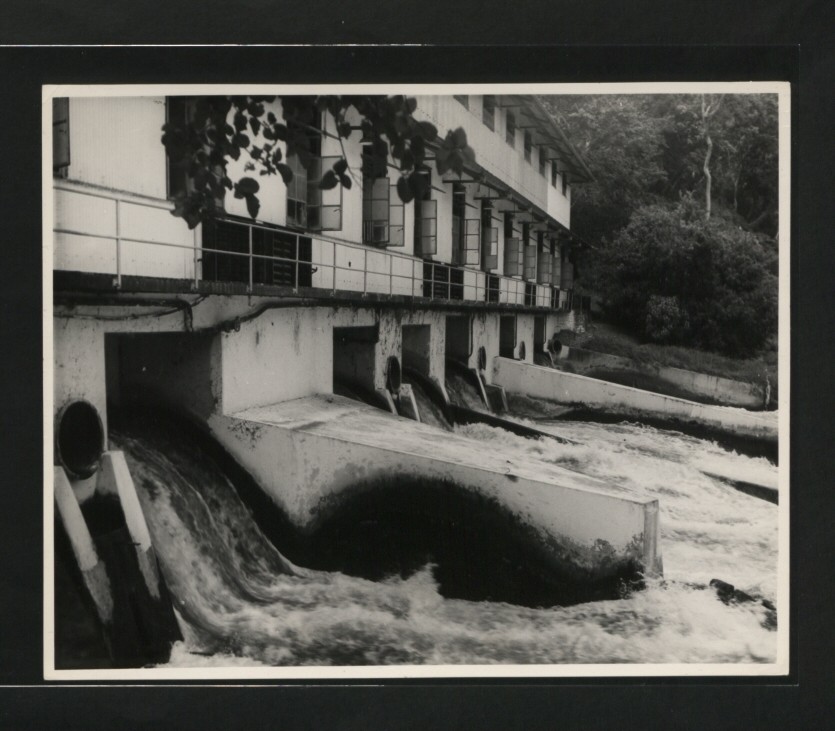
Hale Dam, Tanga, Tanzania – A Hidden Gem for Adventurous Travelers
Discover the serene waters, lush surroundings, and authentic Tanzanian charm at Hale Dam, a lesser‑known attraction in the coastal region of Tanga.
Introduction
If you’re mapping out an off‑the‑beaten‑path itinerary for Tanzania, the bustling streets of Dar es Salaam and the iconic Serengeti often dominate the conversation. Yet, tucked away in the verdant hills of Muheza, just a short drive from the historic port city of Tanga, lies Hale Dam – a tranquil water reservoir that offers a refreshing escape for nature lovers, photographers, and cultural explorers alike.
While the dam may not boast the towering heights of the world’s most famous hydro‑structures, its peaceful ambiance, sweeping views of the Tanzanian countryside, and proximity to other water‑related attractions make it a perfect day‑trip destination for travelers seeking authentic local experiences.
About Hale Dam
Hale Dam is a small‑scale dam situated at latitude ‑5.295056 and longitude 38.602657 in the Muheza district of the Tanga Region. Though official records list the dam’s height and altitude as unknown, its primary purpose is to store water for irrigation and local community use, supporting agriculture in the surrounding villages.
History & Significance
Built during a period of regional development aimed at improving water security for northern Tanzania, Hale Dam reflects the Tanzanian government’s commitment to sustainable rural infrastructure. Although it does not dominate headlines, the dam plays a vital role in:
- Irrigating nearby farms – enabling smallholder farmers to cultivate crops year‑round.
- Providing a reliable water source for the towns of Muheza and surrounding settlements.
- Supporting local biodiversity – the reservoir attracts a variety of bird species, making it a modest hotspot for birdwatchers.
The dam’s modest scale offers a quieter alternative to larger, tourist‑heavy sites like the Pangani Falls Dam, allowing visitors to enjoy a more intimate connection with the landscape.
How to Get There
Reaching Hale Dam is straightforward, especially if you’re already exploring the Tanga coastal corridor. Below is a step‑by‑step guide for the most common travel routes.
| Starting Point | Approx. Distance | Recommended Transport | Estimated Travel Time |
|---|---|---|---|
| Tanga City Center | ~30 km | Private car, taxi, or rented 4×4 | 45–60 minutes |
| Muheza Town | ~5 km | Motorbike (boda‑boda) or local taxi | 10–15 minutes |
| Dar es Salaam | ~340 km | Domestic flight to Tanga + car rental | 1.5‑2 hrs (flight) + 45 mins (drive) |
By Car
- From Tanga: Take the Tanga–Muheza Road (B2) heading west. The road is paved and well‑marked. After passing the town of Mikunguni, look for a small sign pointing to “Hale Dam” near the village of Mkwajuni.
- From Muheza: Head south on the main road toward Tanga, then turn left onto the local access road that leads directly to the dam’s perimeter.
Public Transport
- Boda‑boda (motorbike taxis) are abundant in Muheza and can be hired for a day at a negotiable rate (typically TZS 30,000–40,000).
- Local minibusses (daladala) run between Tanga and Muheza; ask the driver to drop you off at the nearest village, then hire a boda‑boda for the final 5 km.
Parking & Entry
A small, unguarded parking area sits beside the dam’s access road. Parking is free, but be mindful of local residents who may use the space for livestock. No formal entry fee is required, though a modest contribution to the community (around TZS 5,000) is appreciated for maintenance.
Best Time to Visit
Tanzania’s climate is generally tropical, with two main seasons that affect water levels and scenery at Hale Dam.
| Season | Months | Weather | What to Expect |
|---|---|---|---|
| Dry Season | June – October | Warm days, cooler evenings, low humidity | Clear skies, lower water levels – ideal for panoramic photography and birdwatching. |
| Short Rainy Season | November – December | Sporadic showers, lush greenery | Water levels rise, creating a more dramatic reservoir surface. |
| Long Rainy Season | March – May | Frequent heavy rains, higher humidity | Access roads may become muddy; some visitors prefer to avoid this period. |
Optimal Visit: Late June to early September offers comfortable temperatures (average 24‑28 °C) and excellent visibility for sunrise or sunset shots over the dam.
What to Expect
Scenic Views
Arriving at Hale Dam, you’ll be greeted by a calm, glass‑like water surface framed by gently rolling hills and patches of tropical forest. The surrounding farmland, dotted with maize and cassava fields, adds a patchwork of colors that shift with the season.
Wildlife & Birding
While the dam isn’t a designated wildlife reserve, it does attract a modest array of birds:
- African Fish Eagle – often seen perched on the dam’s edge, letting out its distinctive call.
- Cattle Egret – frequenting the shallow waters in search of insects.
- Various Kingfishers – darting over the water’s surface.
Bring a pair of binoculars for a rewarding birdwatching experience.
Activities
- Photography: The early morning mist that rolls over the reservoir creates ethereal shots. Sunset paints the water in shades of orange and pink, perfect for landscape photography.
- Picnicking: Local families often set up simple picnics near the dam. You can join them with a packed lunch of ugali, nyama choma, and fresh fruit.
- Cultural Interaction: The nearby villages are welcoming. Engaging with residents offers insight into how the dam supports daily life, from irrigation to drinking water.
Facilities
Facilities are minimal. Expect:
- Basic restrooms (often simple pit latrines).
- No on‑site cafés – bring your own refreshments.
- Electricity is limited; charging devices may require a portable power bank.
Nearby Attractions
While Hale Dam can easily fill a half‑day, the surrounding area boasts several other points of interest that can be combined into a full‑day itinerary.
| Attraction | Distance from Hale Dam | What to See | Link |
|---|---|---|---|
| Hale Dam (same site) | 0.0 km | The reservoir itself – perfect for sunrise. | Hale Dam Wikipedia |
| Hale Storage Weir | 2.8 km | A smaller weir that regulates water flow into agricultural canals. | No dedicated page – local guide recommended |
| Pangani Falls Dam | 7.8 km | A larger hydro‑project with impressive waterfalls and viewing platforms. | Pangani Falls Dam (Wikipedia) |
| Unnamed Local Dam | 7.7 km | Small community dam offering additional scenic spots. | No dedicated page – ask locals for directions |
Suggested Route: Start at Hale Dam early, head to the Hale Storage Weir for a quick stop, then continue to Pangani Falls Dam for a more dramatic water‑feature experience before returning to Tanga for dinner.
Travel Tips
- Carry Cash: Most vendors and community members operate on cash only. Small denominations (TZS 1,000–5,000) are useful for contributions or buying snacks.
- Dress Modestly: While the area is relaxed, respecting local customs (shoulder‑covering tops and knee‑length trousers) helps foster goodwill.
- Stay Hydrated: The climate can be hot, especially during the dry season. Bring plenty of water and a reusable bottle.
- Sun Protection: A wide‑brim hat, sunscreen (SPF 30+), and sunglasses are essential for sunrise and midday sun.
- Language Basics: Swahili is the lingua franca. Simple phrases like “Asante” (thank you) and “Tafadhali” (please) go a long way.
- Safety First: Roads are generally safe, but during the rainy season they can become slippery. Drive cautiously and consider a 4×4 if traveling after heavy rains.
- Respect the Environment: Pack out all trash, avoid littering, and refrain from feeding wildlife. The community relies on the dam’s clean water for drinking and irrigation.
- Photography Etiquette: Ask permission before photographing local residents, especially children.
Final Thoughts
Hale Dam may not have the fame of Tanzania’s national parks, but its quiet charm, authentic community vibe, and stunning natural backdrop make it a rewarding stop for any traveler seeking a deeper connection with the country’s rural heartland. Whether you’re a photographer chasing soft‑light reflections, a birdwatcher listening for the call of the African Fish Eagle, or simply a curious explorer wanting to see how water shapes daily life in Tanga, Hale Dam welcomes you with open arms and a serene surface that mirrors the sky.
Pack your camera, charge your phone, and set your compass for Muheza – the hidden waters of Hale Dam await.
Keywords: Hale Dam, Tanga Tanzania, Muheza travel, Tanzania dam tourism, Pangani Falls Dam, Hale Storage Weir, things to do in Tanga, travel to Hale Dam, Tanzania off‑the‑beaten‑path.