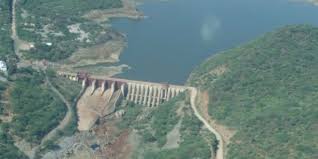
Kidatu Dam, Morogoro – Tanzania’s Hidden Hydroelectric Gem
Discover the engineering marvel, stunning scenery, and local culture that make Kidatu Dam a must‑visit spot on any Tanzania itinerary.
1. Introduction
Imagine standing on a quiet riverbank, the roar of water echoing against a concrete wall that has been powering a nation for decades. That’s Kidatu Dam – a towering hydro‑electric structure nestled in the rolling hills of Morogoro, Tanzania. While most travelers head straight to Serengeti or Zanzibar, the Kidatu region offers a different kind of adventure: one that blends modern engineering, breathtaking landscapes, and authentic Tanzanian life. Whether you’re a photography enthusiast, a road‑trip lover, or simply curious about Tanzania’s energy story, Kidatu Dam is an off‑the‑beaten‑path destination that rewards every visitor.
2. About Kidatu Dam
Location & Coordinates: Kidatu Dam sits at ‑7.635381, 36.886538 in the town of Kidatu, Morogoro Region. The dam straddles the Great Ruaha River, one of Tanzania’s most important waterways.
History & Significance
- Construction: The dam was built in the mid‑1970s as part of Tanzania’s push for energy self‑sufficiency.
- Capacity: It powers the Kidatu Hydro Power Station, which contributes a substantial portion of the national grid, helping to keep lights on in Dar es Salaam, Morogoro, and surrounding areas.
- Economic Impact: Beyond electricity, the dam supports irrigation projects downstream and has become a focal point for local employment and community development.
Why It Matters
Kidatu Dam is more than a concrete wall; it’s a symbol of Tanzania’s commitment to renewable energy. For travelers, the site offers a rare glimpse into how a developing nation balances growth with natural resources.
3. How to Get There
By Air → Road
- Fly into Dar es Salaam (DAR) – Julius Nyerere International Airport receives daily flights from major African hubs and a few European cities.
- Drive to Morogoro – The A7 highway (≈ 190 km) is a well‑paved, scenic route that takes about 3–4 hours. Buses, private taxis, or car‑rental services are readily available.
- Morogoro → Kidatu – From Morogoro town, continue east on the B2 road for roughly 100 km. The journey passes sugarcane fields, rolling hills, and small villages, culminating in the Kidatu township where the dam is located.
Public Transport Options
- Long‑distance Bus: Companies such as TANZANIA Bus Services run daily routes between Dar es Salaam, Morogoro, and Kidatu.
- Shared “Daladala” Vans: For the budget‑savvy, shared minibusses leave Morogoro in the morning and arrive in Kidatu by early afternoon.
By Car
Renting a 4×4 is advisable during the rainy season (Nov‑May) when some secondary roads can become slick. GPS coordinates (‑7.635381, 36.886538) work perfectly with most navigation apps.
4. Best Time to Visit
| Season | Weather | Travel Tips |
|---|---|---|
| Dry Season (June – October) | Warm, clear skies, low humidity. Roads are in top condition. | Ideal for photography, birdwatching, and easy access to nearby attractions. |
| Short Rains (November – December) | Light showers, occasional thunderstorms. | Expect occasional traffic delays; bring waterproof gear. |
| Long Rains (January – May) | Heavy rain, higher river flow. | Road conditions may be challenging; consider postponing if you prefer dry travel. |
Peak Visitor Period: June to August aligns with Tanzania’s school holidays, so expect a modest increase in local traffic. Book accommodations early if traveling during this window.
5. What to Expect
The Dam Experience
- Panoramic Views: The dam’s concrete spillway creates a striking contrast against the surrounding savanna. From the observation platform, you can watch water cascade through the turbines—an impressive sight for any visitor.
- Guided Tours: While formal tours are limited, the local community often arranges short walks around the reservoir. You’ll learn about hydroelectric generation, water management, and the dam’s role in regional agriculture.
- Wildlife & Birdlife: The reservoir attracts water‑birds such as herons, kingfishers, and the occasional African fish eagle. Early morning is the best time for birdwatching.
The Local Vibe
Kidatu town is a friendly hub of Tanzanian culture. Expect to see bustling markets, Swahili street food stalls, and friendly faces eager to share stories. Try the local ugali with nyama choma (grilled meat) for a hearty meal after a day of exploring.
6. Nearby Attractions
Kidatu Dam is a perfect base for exploring other natural and engineered wonders within a short drive.
| Attraction | Distance | What to See | Link |
|---|---|---|---|
| Nearby Dam #1 | 10.4 km | Small hydro‑project offering scenic river views. | More Info |
| Nearby Dam #2 | 10.4 km | Another modest dam—great for a quick photo stop. | More Info |
| Nearby Dam #3 | 10.4 km | Offers a tranquil picnic spot beside the water. | More Info |
| Sanje Waterfall (1st) | 14.6 km | A cascading waterfall set in a lush gorge—perfect for a short hike. | Sanje Waterfall |
| Sanje Waterfall | 14.6 km | Same spectacular falls, often visited for swimming and picnics. | Sanje Waterfall |
Tip: Combine a visit to Kidatu Dam with a half‑day trek to Sanje Waterfall. The route is well‑marked, and the waterfall’s mist provides a refreshing break from the heat.
7. Travel Tips
| Tip | Why It Matters |
|---|---|
| Carry Cash | Rural Tanzania relies heavily on Tanzanian shillings; ATMs are scarce near Kidatu. |
| Stay Hydrated | Temperatures can climb above 30 °C, especially during the dry season. |
| Sun Protection | A wide‑brimmed hat, sunscreen (SPF 30+), and sunglasses are essential. |
| Respect Local Customs | Dress modestly (shoulders and knees covered) when visiting villages. |
| Bring a Light Rain Jacket | Even in the dry season, afternoon showers can appear. |
| Use a Reliable Map App | Offline maps with GPS coordinates (‑7.635381, 36.886538) help navigate poorly signposted roads. |
| Plan for Power Outages | Rural areas may experience occasional electricity cuts; charge devices in advance. |
| Engage a Local Guide | Hiring a guide supports the community and enriches your understanding of the dam’s history. |
| Leave No Trace | Keep the reservoir area clean; plastic waste can harm wildlife. |
Final Thoughts
Kidatu Dam may not appear on the typical Tanzania travel checklist, but that’s exactly why it’s worth the detour. From its vital role in powering the nation to the tranquil beauty of its reservoir and the nearby Sanje Waterfall, the dam offers a blend of education, adventure, and cultural immersion. Pack your camera, hit the road, and let Kidatu’s gentle roar welcome you to a side of Tanzania that few tourists ever see.
Happy travels, and may the currents of the Great Ruaha River guide you to unforgettable memories!