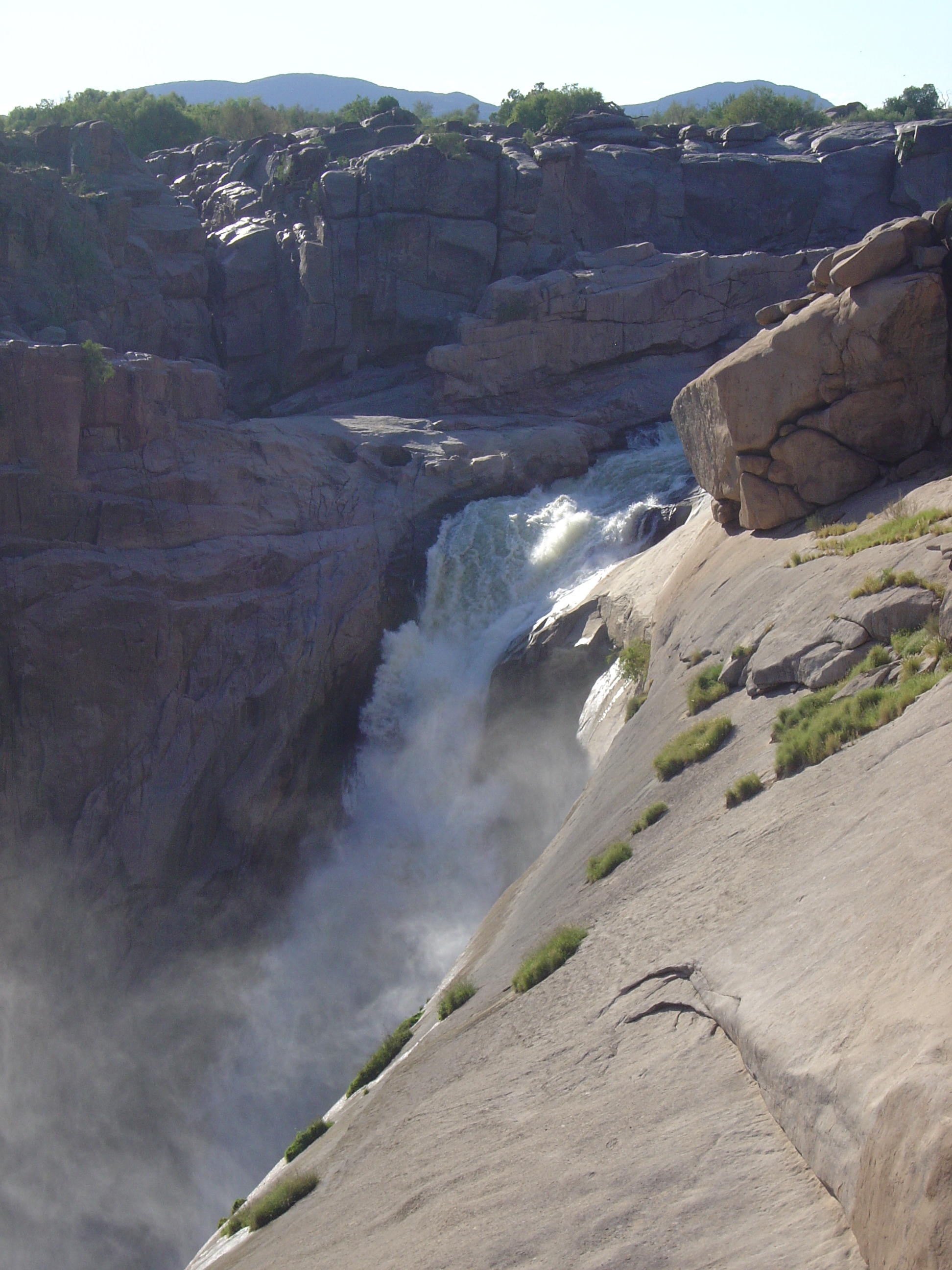
Augrabies Falls: The Thunderous Jewel of South Africa’s Northern Cape
If you’ve ever dreamed of standing at the edge of a roaring curtain of water that drops 56 metres into a rugged gorge, Augrabies Falls is the destination that will make that dream a reality. Nestled in the arid heart of the Northern Cape, this iconic waterfall is more than a photo‑op – it’s a living piece of South African natural heritage that roars with history, wildlife, and unforgettable adventure.
About Augrabies Falls
Augrabies Falls (Afrikaans: Augrabieswaterval) is a spectacular 56‑metre high waterfall on the Orange River, the longest river in South Africa. The falls sit at coordinates -28.591569, 20.340650, just outside the town of Kakamas in the Northern Cape province.
A Brief History
The name “Augrabies” is derived from the Khoekhoe word ‘augrabi’, meaning “place of great noise.” Early indigenous peoples were drawn to the thunderous roar that could be heard for kilometres around. In the 19th century, European explorers, including the famed naturalist Sir John Herschel, documented the falls, and the area soon became a popular stop for travelers crossing the harsh Karoo.
In 1966 the South African government declared the surrounding landscape a national park – Augrabies Falls National Park – protecting the dramatic gorge, the unique desert‑river ecosystem, and the iconic waterfall itself. Today the park is a sanctuary for rare flora such as the Welwitschia and a haven for wildlife including bushbucks, klipspringers, and the elusive black-backed jackal.
Why It Matters
Beyond its sheer visual power, Augrabies Falls represents a rare convergence of desert and river environments. The waterfall’s mist creates a micro‑climate that nurtures pockets of lush vegetation, making it a biodiversity hotspot in an otherwise arid region. For photographers, hikers, and nature lovers, the falls offer a dramatic backdrop that changes with the seasons, water flow, and the angle of the sun.
How to Get There
By Air
The nearest major airport is Kimberley International Airport (KIM), about 300 km north‑west of the falls. From Kimberley, you can rent a 4×4 vehicle – highly recommended for the gravel sections of the route.
By Car
Driving is the most popular way to reach Augrabies Falls. From Kimberley, take the N12 east toward De Aar, then switch to the R357 south through Prieska. After crossing the Orange River, follow signs for Augrabies Falls National Park. The journey takes roughly 3.5 hours on paved roads, with the final 30 km on well‑maintained gravel.
If you’re coming from Cape Town, the drive is longer (≈ 8 hours) but passes through spectacular desert scenery, making it an adventure in its own right.
By Bus
Regional bus services (e.g., Intercape) run between Kimberley and the nearby town of Kakamas. From Kakamas, taxis or pre‑arranged park shuttles can take you to the park entrance.
Park Entrance
The main entrance to Augrabies Falls National Park is located on the south bank of the Orange River. Entrance fees are modest (approximately R100 per adult, R50 per child) and include access to the main viewing platforms, hiking trails, and picnic areas.
Best Time to Visit
| Season | Water Flow | Weather | Why Visit |
|---|---|---|---|
| Winter (June–August) | High – the Orange River is swollen from upstream rainfall, creating a spectacular, thunderous cascade. | Cool, dry days (10‑20 °C) with clear skies. | Ideal for dramatic photos, powerful mist, and comfortable hiking. |
| Spring (September–November) | Moderate – water levels start to recede but remain impressive. | Warm days, occasional showers. | Wildflowers bloom across the park, adding colour to the landscape. |
| Summer (December–February) | Low – the river can be reduced to a trickle, especially in drought years. | Hot (30‑35 °C) and dry. | Perfect for bird‑watching and exploring the park’s desert trails without crowds. |
| Autumn (March–May) | Variable – depends on winter rains. | Mild temperatures, pleasant evenings. | A balanced time with decent water flow and fewer tourists. |
Pro tip: For the most powerful waterfall view, plan your visit between June and August. If you prefer milder temperatures and vibrant flora, September to November is your window.
What to Expect
The Viewpoint Experience
As you approach the main viewing platform, the roar of the falls grows louder, echoing off the basalt cliffs that frame the gorge. The water plunges 56 metres into a deep, turquoise pool, sending up a fine mist that creates rainbows on sunny days. From the platform, you can see the orange‑tinted riverbanks and the rugged Karoo mountains rising in the distance.
Hiking & Trails
- Riverside Trail (2 km round‑trip): A gentle walk along the riverbank, perfect for families and birdwatchers.
- Kalahari Trail (5 km loop): Offers panoramic views of the falls from higher ground and passes through ancient rock art sites.
- Mokala Trail (12 km): A more demanding trek for seasoned hikers, leading to remote desert vistas and the chance to spot the elusive Cape fox.
All trails are marked, but a 4×4 vehicle is advisable for reaching trailheads on the park’s gravel roads.
Wildlife & Photography
The park’s unique blend of water and desert attracts a surprising array of wildlife. Early mornings are prime time for spotting eland, springbok, and the rare black rhino (in adjacent conservancies). Bird enthusiasts will love the African fish eagle, pelicans, and a host of waterfowl that gather near the falls.
Photographers should bring a polarizing filter to reduce glare on the water and a wide‑angle lens to capture the full scale of the gorge. Sunrise and sunset provide dramatic lighting, while the misty afternoon can produce ethereal, soft‑focused shots.
Nearby Attractions
While Augrabies Falls is the star, the surrounding area offers several hidden gems that can easily be added to a day‑trip itinerary:
| Attraction | Distance | What to See | Link |
|---|---|---|---|
| Twin Falls (waterfall) | 1.5 km | A smaller, twin‑tiered cascade that complements the main falls. | Twin Falls – Google Search |
| Twin Falls (waterfall) | 1.6 km | Another viewpoint of the twin cascades, offering different angles and photo opportunities. | Twin Falls – Google Search |
| Local Weir | 17.3 km | A modest river weir that provides insight into regional water management. | Weir – Google Search |
| Dam #1 | 29.2 km | A scenic reservoir surrounded by open plains—great for a picnic. | Dam – Google Search |
| Dam #2 | 29.5 km | Another tranquil water body, ideal for sunset photography. | Dam – Google Search |
All of these spots are reachable by the same 4×4 vehicle you’ll use for the falls, making them perfect add‑ons for a full‑day adventure.
Travel Tips
| Tip | Details |
|---|---|
| Dress in layers | Even in summer, mornings can be cool; bring a light jacket for the mist. |
| Stay hydrated | The Northern Cape’s dry climate can dehydrate you quickly; carry at least 2 L of water per person. |
| Sun protection | The sun is strong; use sunscreen, a hat, and sunglasses. |
| Footwear | Sturdy, closed‑toe hiking boots are essential, especially on rocky, slippery sections near the falls. |
| Timing | Arrive early (before 9 am) to beat the crowds and capture the best light. |
| Park fees | Keep cash handy; some park entrances still accept only cash for fees. |
| Wildlife safety | Keep a safe distance from animals, especially larger mammals like antelope and jackals. |
| Photography | Bring extra batteries – the mist can drain them faster, and the park’s remote location means limited charging options. |
| Local cuisine | Try the Karoo lamb or bobotie at the park’s café for an authentic taste of the region. |
| Connectivity | Mobile signal can be spotty; download offline maps (e.g., Google Maps offline area) before you go. |
Final Word
Augrabies Falls isn’t just a waterfall; it’s a living landscape where water, desert, and sky collide in a symphony of sound, sight, and scent. Whether you’re a seasoned trekker, a photography enthusiast, or a family looking for an unforgettable day out, the falls and their surrounding park deliver a raw, unfiltered South African experience you’ll remember long after the mist has dried.
Pack your sense of adventure, follow the travel tips above, and let the thunderous roar of Augrabies guide you into the heart of the Northern Cape’s most iconic natural wonder. Safe travels!