Cascades d'Ouzoud شلالات أوزود – Morocco’s Majestic 110‑Meter Waterfall
Discover the thundering beauty of the Cascades d’Ouzoud, a must‑see natural wonder in Tad‑la‑Azilal, Morocco.
1. Introduction
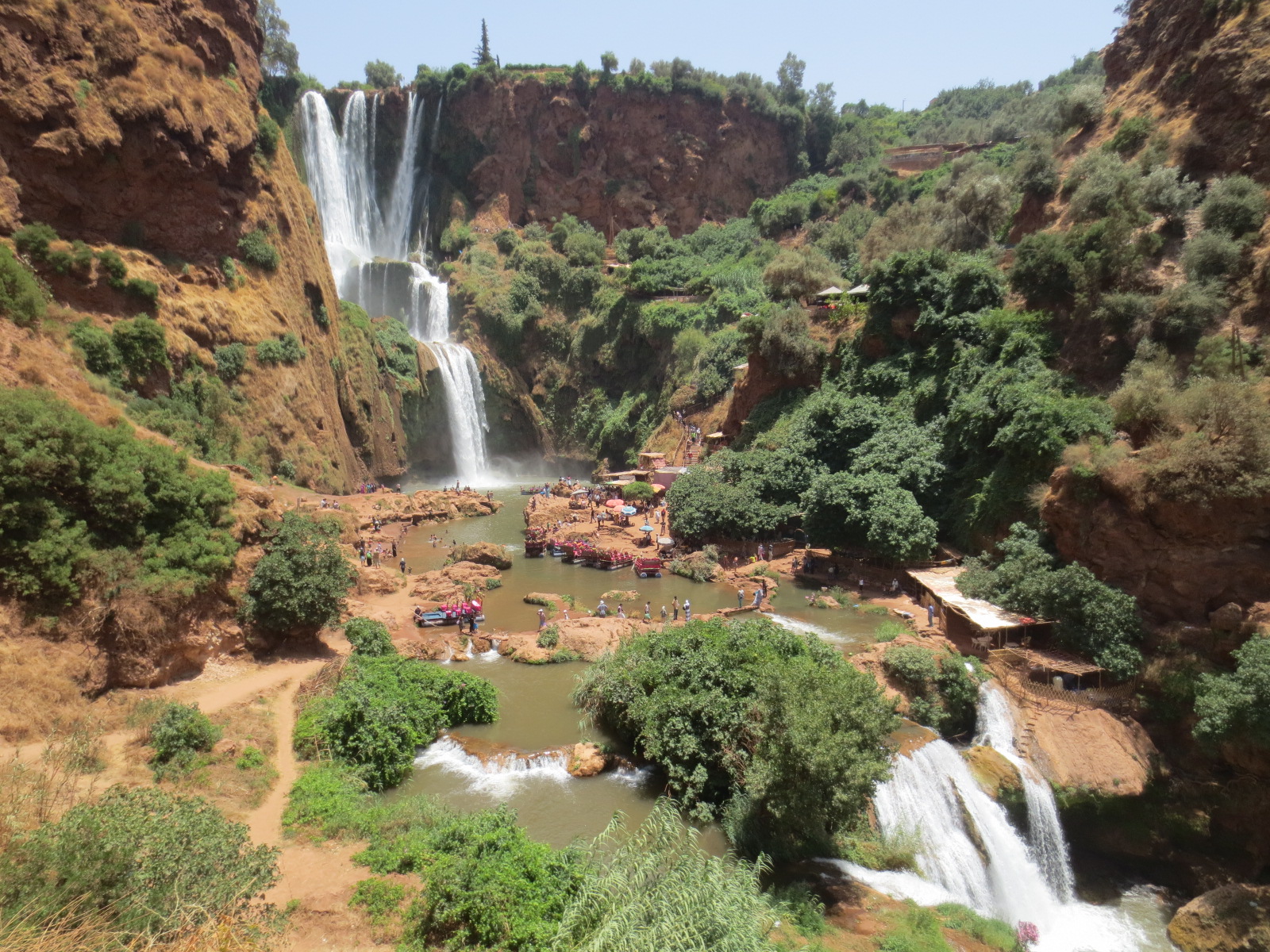
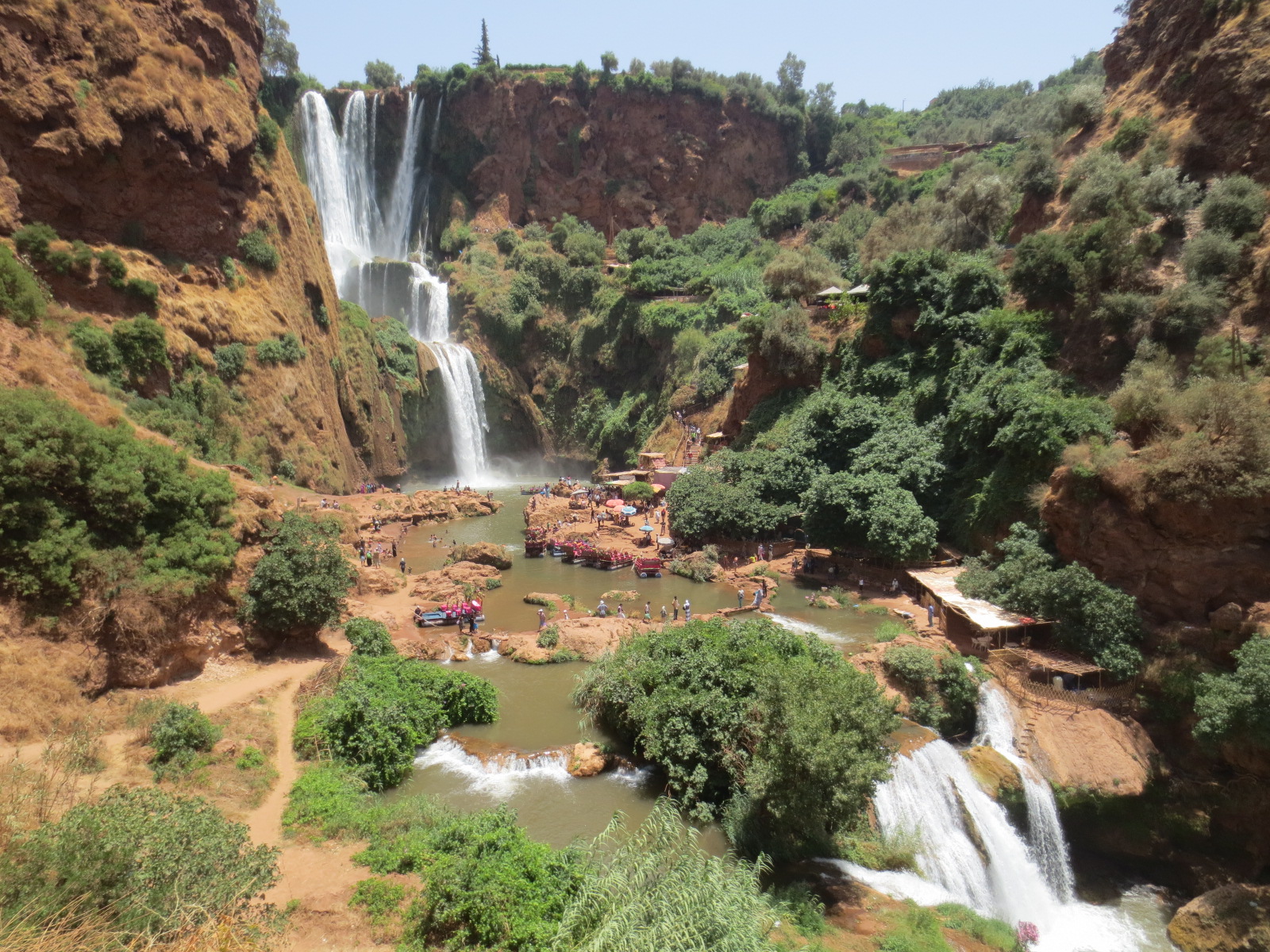
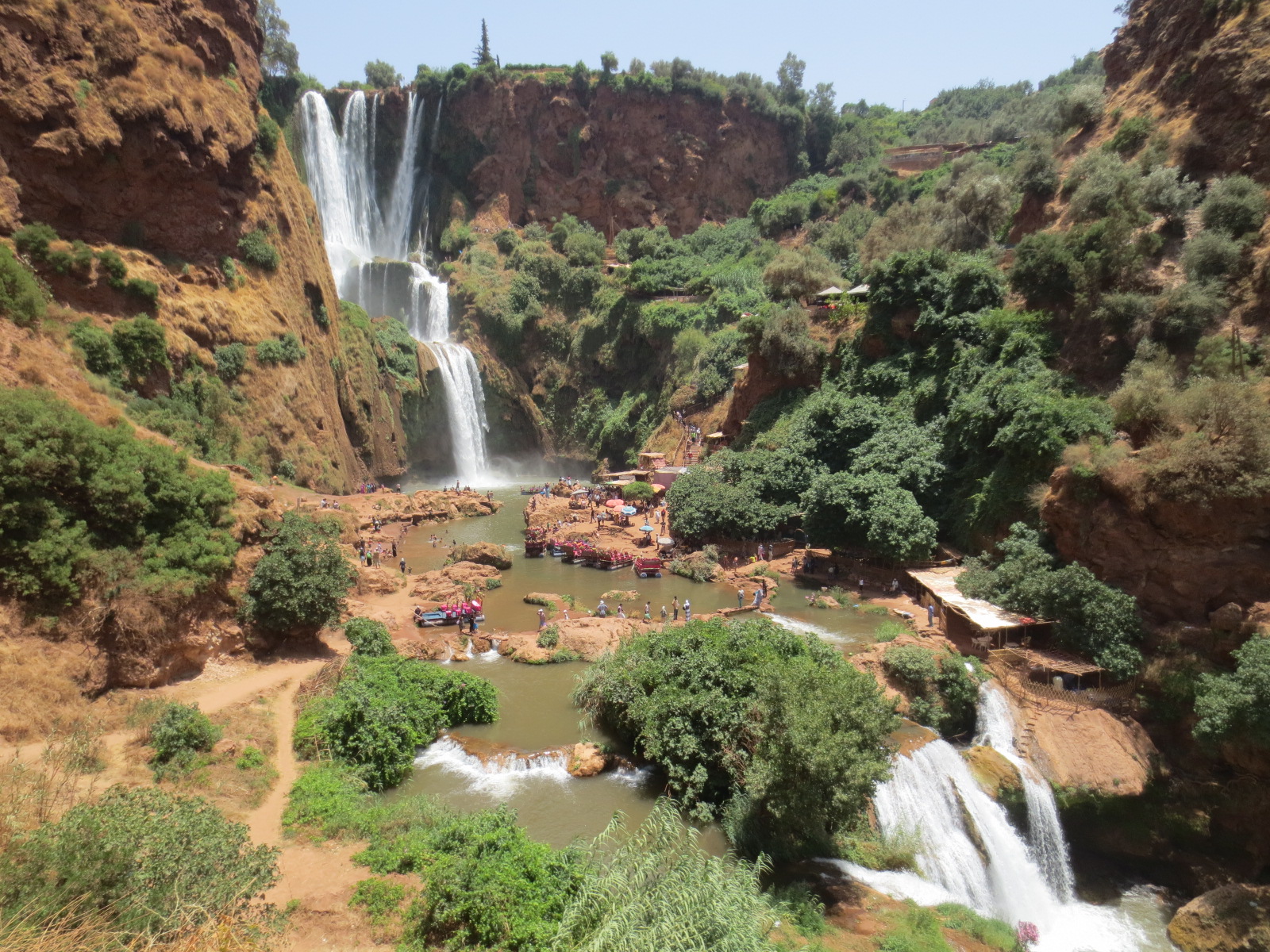
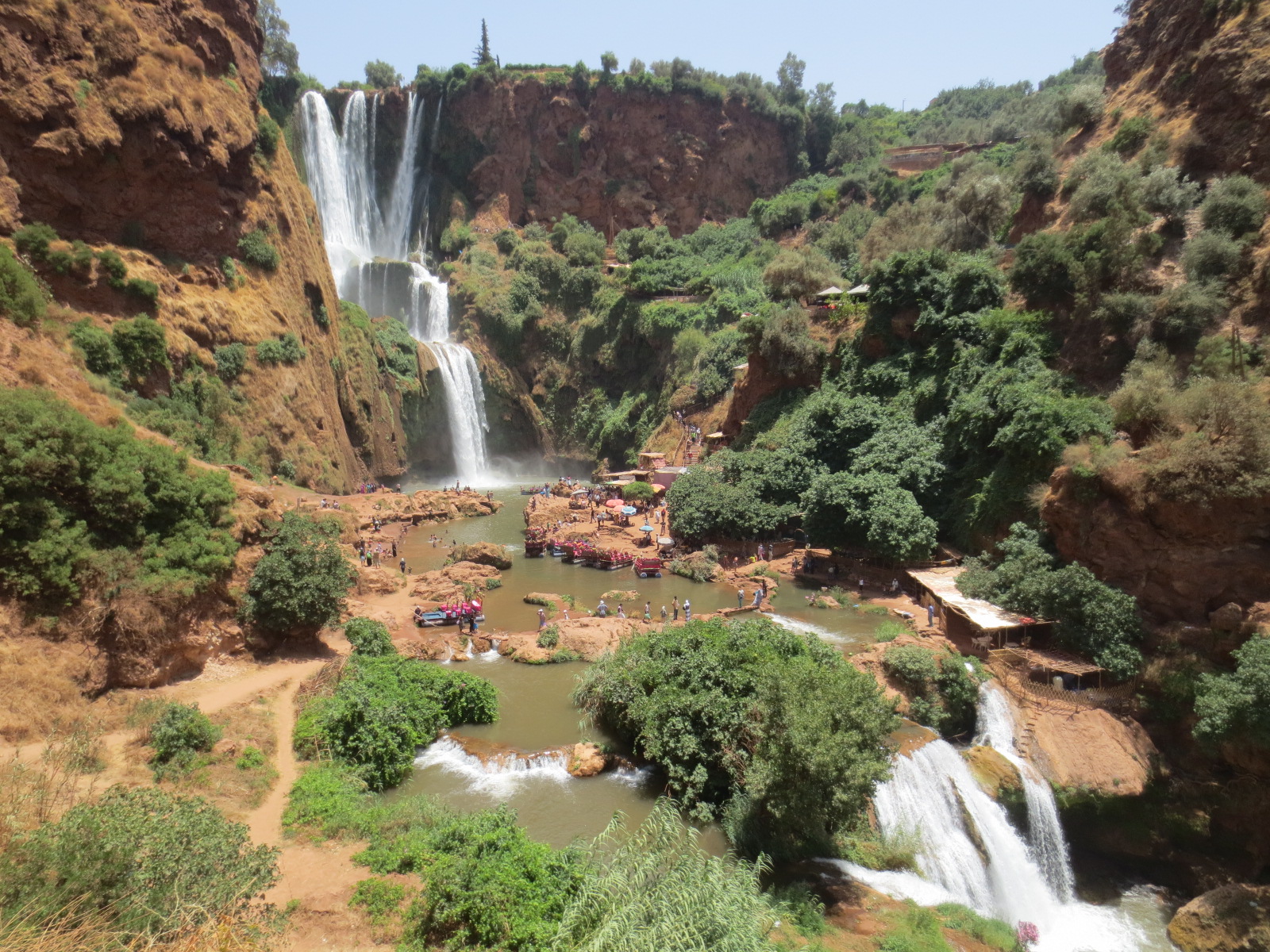
Imagine standing on a sun‑kissed terrace, the air humming with the roar of water as it plunges 110 meters into a turquoise pool below. The mist kisses your face, rainbows dance in the spray, and the scent of pine and wild thyme fills the valley. This is the unforgettable experience that awaits you at Cascades d’Ouzoud شلالات أوزود – Morocco’s most photographed waterfall and a true gem of the Atlas Mountains. Whether you’re a seasoned trekker, a family on holiday, or a solo wanderer seeking a postcard‑perfect spot, Ouzoud promises drama, serenity, and Instagram‑ready moments all in one place.
2. About Cascades d'Ouzoud شلالات أوزود
A natural masterpiece
Cascades d’Ouzoud (Arabic: شلالات أوزود) is a series of tiered waterfalls that cascade down a rugged limestone cliff in the Tabia commune of the Tadla‑Azilal region. The main drop measures 110 meters (≈ 360 ft), making it one of the highest waterfalls in North Africa. The water originates from the Oued Ouzoud river, which gathers runoff from the surrounding Atlas foothills before spilling over the cliff into a series of emerald pools.
Historical and cultural significance
The waterfall has been a focal point for local Berber communities for centuries. Its name, “Ouzoud,” is believed to derive from the Berber word for “water” or “spring,” reflecting the life‑giving role the cascade plays in the arid landscape. Over the years, the site has evolved from a modest irrigation source into a celebrated tourist attraction, featured in Moroccan travel guides, documentaries, and countless travel blogs.
Why it matters
Beyond its sheer visual impact, Ouzoud serves as an ecological hotspot. The mist‑laden environment nurtures a unique micro‑habitat that supports a variety of flora—pine, oak, and rosemary—and fauna, most famously the Barbary macaque (Macaca sylvanus). Spotting a troop of these curious monkeys leaping among the rocks is a highlight for many visitors.
3. How to Get There
Starting points
- Marrakech – The most common gateway. Marrakech’s Menara Airport (RAK) receives international flights, and the city offers a range of car‑rental agencies, guided‑tour operators, and bus services.
- Beni Mellal – A smaller regional hub located east of Ouzoud, reachable by train or bus from major Moroccan cities.
By road
The waterfall sits at coordinates 32.015198, -6.719331. From Marrakech, the drive follows the N9 highway eastward, then turns onto the R106 road that leads directly to Tabia. The journey typically takes 2.5–3 hours depending on traffic and road conditions. The route winds through olive groves, almond orchards, and rolling hills, offering scenic stops along the way.
Public transport
- Bus – Regular intercity buses run from Marrakech and Beni Mellal to the nearby town of Ouzoud (≈ 5 km from the falls). From the bus stop, a short taxi ride or a 20‑minute walk brings you to the waterfall entrance.
- Grand Taxi – Shared taxis (often green “grand taxis”) operate between Marrakech and Ouzoud, departing when full. They are a budget‑friendly option and provide a chance to chat with locals.
Organized tours
Many Marrakech‑based agencies offer half‑day or full‑day tours that include round‑trip transport, a local guide, and sometimes a traditional lunch in a Berber village. Booking in advance during high season (April–October) guarantees a spot.
4. Best Time to Visit
| Season | Weather & Water Flow | Visitor Experience |
|---|---|---|
| Spring (March–May) | Mild temperatures (15‑25 °C) and abundant spring melt boost the waterfall’s volume. Wildflowers bloom in the surrounding valleys. | Ideal for photography, moderate crowds, comfortable hiking. |
| Summer (June–August) | Warm to hot days (25‑35 °C). Water flow may dip slightly, but the pool remains refreshing. | Peak tourist season; expect larger crowds but vibrant atmosphere. |
| Autumn (September–November) | Pleasant temperatures, occasional rain rejuvenates the cascade. | Good balance of crowd size and water intensity; perfect for relaxed visits. |
| Winter (December–February) | Cooler (10‑15 °C) and occasional rain can create spectacular mist. | Fewer tourists; the waterfall can appear more dramatic, but some paths may be slick. |
Overall recommendation: April to early October provides the most reliable water flow and comfortable weather for hiking and swimming. If you prefer solitude, aim for late November or early March when the flow is still decent but crowds are thinner.
5. What to Expect
The walk to the falls
A well‑marked trail leads from the parking area to a series of viewing platforms. The path is a moderate hike—approximately 1 km with gentle inclines and occasional stone steps. Along the way, you’ll hear the distant roar growing louder, and the scent of pine intensifies.
Views and photo ops
- Main viewpoint – A panoramic terrace offers a sweeping view of the 110‑meter drop. This is the classic shot: water plummeting into a turquoise basin framed by limestone cliffs.
- Lower platforms – Get closer to the spray for dramatic close‑ups of the cascading sheets and the playful macaques.
- Boat ride – Small wooden boats are available for a short trip on the pool, letting you feel the mist from up close.
Activities
- Swimming – The natural pools at the base are safe for a refreshing dip (water temperature is cool year‑round).
- Hiking – Extend your adventure by exploring nearby trails that lead to hidden cascades and forested ridges.
- Cultural immersion – Visit the small Berber village of Ait Bouguemez (≈ 15 km away) for a traditional lunch of tagine and mint tea.
Amenities
- Food stalls – Vendors sell grilled sardines, tagine, fresh fruit, and Moroccan pastries.
- Restrooms – Basic facilities are available near the parking lot.
- Guides – Local guides can be hired at the entrance for a small fee; they share stories about the waterfall’s geology and wildlife.
6. Nearby Attractions
While Ouzoud is the star, the surrounding Tadla‑Azilal region offers several complementary sights that can easily be added to a day‑trip itinerary:
- Shallalat Ouzoud (شلالات أوزود) – The waterfall itself, listed again for emphasis.
- Titrite Waterfall – A lesser‑known cascade located just 0.1 km from Ouzoud, perfect for a quick side‑exploration.
- Berber Villages – Traditional settlements such as Ait Bouguemez and Imilchil, where you can experience authentic mountain culture.
- Meknes – A historic imperial city about 2 hours north, featuring the impressive Bab Mansour gate and Royal Stables.
Quick Links
- Cascades d’Ouzoud on Wikipedia (Arabic)
- Titrite Waterfall – (search “Titrite Waterfall Morocco” for more info)
7. Travel Tips
| Tip | Why It Matters |
|---|---|
| Wear sturdy shoes | The trail includes uneven stones and occasional mud, especially after rain. |
| Bring a waterproof bag | Protect your camera, phone, and valuables from the inevitable spray. |
| Carry cash | Most food stalls and local guides accept only cash (MAD). |
| Start early | Arriving before 9 am helps you beat the busiest crowds and capture soft morning light. |
| Respect wildlife | The Barbary macaques are accustomed to visitors, but feeding them is prohibited. |
| Stay hydrated | Even in cooler months, the hike can be tiring under the sun. |
| Check the weather | Sudden rain can make paths slippery; a light rain jacket is advisable. |
| Consider a guide | A local guide adds depth to the experience with stories about the waterfall’s history and ecology. |
| Leave no trace | Pack out any litter and stay on marked paths to preserve the natural beauty. |
Final Thoughts
Cascades d’Ouzoud شلالات أوزود isn’t just a waterfall; it’s a living canvas of water, stone, and culture that captures the heart of Morocco’s interior. From the thunderous plunge to the gentle rustle of pine needles, every moment feels cinematic. Whether you’re chasing the perfect photo, seeking a cool dip, or simply longing for a tranquil escape from bustling city life, Ouzoud delivers an unforgettable adventure. Pack your camera, lace up your boots, and let the mist of the Atlas guide you to one of Morocco’s most iconic natural wonders.
Happy travels!