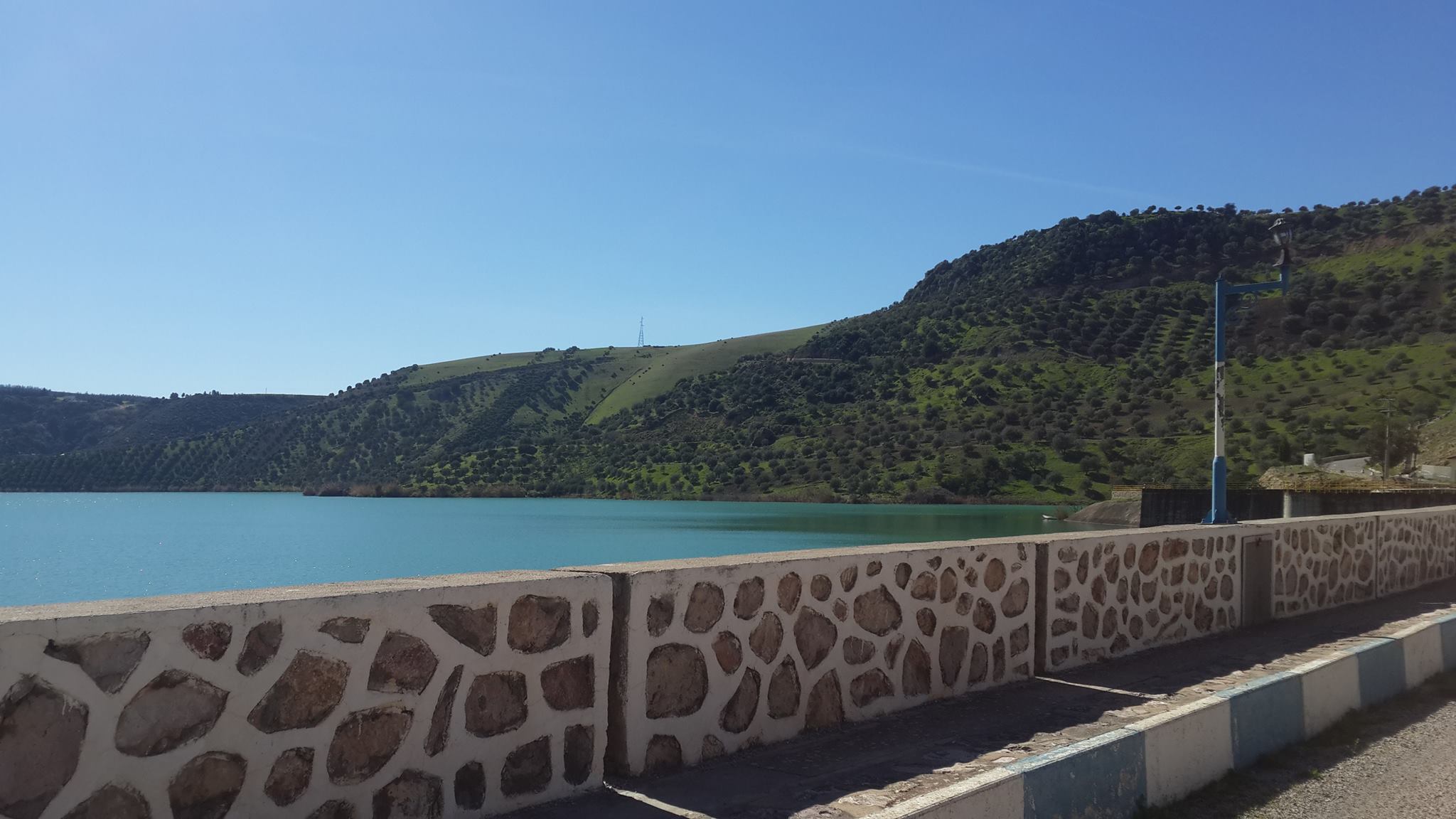
Barrage Allal Al Fassi – A Hidden Gem of Morocco’s Fès‑Boulemane Region
If you think Morocco is only about medinas, desert dunes, and Atlantic surf, think again. Tucked in the rolling foothills of the Middle Atlas, the Allal Al Fassi Dam (locally known as Barrage Allal Al Fassi) offers a tranquil escape for road‑trippers, photographers, and anyone fascinated by modern engineering set against a backdrop of verdant Moroccan countryside.
1. Introduction
Imagine a sleek concrete wall soaring 61 metres above a shimmering reservoir, the water glinting under a clear blue sky while the scent of pine forests drifts on the breeze. That’s the scene at Barrage Allal Al Fassi, a relatively unknown but striking dam located near the historic town of Sefrou in the Fès‑Boulemane region of Morocco.
Whether you’re a dam enthusiast, a nature lover, or simply looking for a peaceful spot off the beaten path, this dam provides a perfect blend of engineering marvel and natural beauty. In this guide we’ll explore everything you need to know to make the most of your visit—from history and travel logistics to nearby attractions and insider tips.
2. About Barrage Allal Al Fassi
- Type: Concrete gravity dam
- Location: Sefrou, Fès‑Boulemane, Morocco
- Coordinates: 33.931714 N, ‑4.677583 W
- Height: 61 m (200 ft)
The dam is named after Allal al‑Fassi, a renowned Moroccan politician, writer, and nationalist leader whose legacy still resonates throughout the country. Constructed to regulate the flow of the Oued Bouhlou river, the dam plays a crucial role in regional water management—providing irrigation for agricultural lands, supporting local drinking‑water supplies, and helping to mitigate seasonal flooding.
While the exact year of completion isn’t listed in the official sources, the structure reflects the wave of mid‑20th‑century infrastructure projects that modernized Morocco’s rural regions. Today, the Allal Al Fassi Dam stands as a testament to that era’s ambition, and its reservoir has become a modest but growing spot for picnics, bird‑watching, and low‑key photography.
For a quick factual reference, see the Wikipedia entry: Allal al‑Fassi Dam.
3. How to Get There
By Car
The most convenient way to reach the dam is by private car or rental vehicle. From Fès (Fez)—the nearest major city—follow these steps:
- Head south on the N13 highway toward Sefrou (approximately 30 km).
- In Sefrou, take the R302 road signposted for Barrage Allal Al Fassi.
- The dam entrance is clearly marked; you’ll see a small parking area and a modest visitor sign near the reservoir’s edge.
The total drive takes roughly 45 minutes on well‑maintained roads, with scenic views of olive groves and pine‑covered hills along the way.
By Public Transport
- Bus: Regular CTM buses run from Fès to Sefrou several times a day. Disembark at the Sefrou central station, then catch a local grand taxi (shared 4‑seat taxi) heading toward “Barrage Allal Al Fassi.” The taxi ride from Sefrou to the dam is about 15 km and takes 20 minutes.
- Taxi: A private taxi from Fès can be hired for a day trip; expect a fare of roughly 150–200 MAD each way, depending on negotiation.
Parking & Access
A small, free parking lot sits just beside the dam’s visitor area. The site is open year‑round, but there is no formal ticket office—simply enjoy the surroundings and respect any posted signage.
4. Best Time to Visit
| Season | Weather | Why It’s Ideal |
|---|---|---|
| Spring (March‑May) | Mild temperatures (15‑25 °C), occasional rain showers | Water levels are high, wildflowers bloom along the reservoir banks, and the surrounding forests are lush. |
| Autumn (September‑November) | Pleasant evenings, cooler days | The heat of summer fades, offering comfortable hiking conditions and clearer skies for photography. |
| Winter (December‑February) | Cooler (10‑15 °C) with occasional frost | Fewer tourists, dramatic mist over the water early mornings—great for atmospheric shots, but some roads may be slick. |
| Summer (June‑August) | Hot (30‑35 °C) and dry | Not the best for walking, though the dam’s shade provides some relief. Early mornings are still pleasant. |
Recommendation: Aim for late March to early May or late September to early November for the optimal blend of comfortable weather, vibrant scenery, and manageable crowds.
5. What to Expect
Visual Highlights
- Impressive Height: The 61 m concrete wall is visible from several kilometers away, especially striking against the rolling hills.
- Calm Reservoir: The water surface often mirrors the sky, creating perfect conditions for reflective photography.
- Surrounding Flora: Pine and oak trees fringe the reservoir, while seasonal wildflowers add splashes of color in spring.
Activities
- Photography: Capture sunrise over the dam, long‑exposure shots of the water, or close‑ups of the concrete’s texture.
- Picnicking: Bring a blanket and a light snack; the designated grassy area near the parking lot is ideal for a relaxed lunch.
- Bird‑Watching: The reservoir attracts several migratory species during spring and autumn—keep an eye out for kingfishers, herons, and occasionally small raptors.
Facilities
The site is modest: there are no cafés or souvenir shops on‑site, but a small public restroom is available near the parking area. Bring your own water, especially during the hotter months.
6. Nearby Attractions
While the dam itself is the main draw, the surrounding Fès‑Boulemane region offers several natural and cultural points of interest within a short drive. All distances are measured from the dam’s center.
| Attraction | Type | Distance | Quick Note |
|---|---|---|---|
| Sorgente | Spring | 14.3 km | A crystal‑clear mountain spring, perfect for a short hike and a refreshing drink. |
| Regrag Spring | Spring | 17.5 km | Known locally for its mineral‑rich waters; a peaceful spot for a quick stop. |
| Fountain (Unnamed) | Fountain | 18.7 km | A small historic fountain tucked in a traditional village. |
| Fountain (Unnamed) | Fountain | 18.8 km | Another charming water feature surrounded by olive groves. |
| Cascade de Sefrou | Waterfall | 19.8 km | The most dramatic natural waterfall in the area; a short trek leads to a viewing platform. |
How to combine them: Start your day at the dam, then head south toward Sorgente and Regrag Spring for a leisurely walk. Continue east to the two village fountains for a glimpse of local life, and finish with a sunset visit to Cascade de Sefrou—the waterfall’s mist catches the golden light beautifully.
7. Travel Tips
- Carry Cash: Small vendors in nearby villages accept only Moroccan dirhams; ATMs are scarce outside Fès.
- Dress Modestly: While the dam area is casual, respecting local customs (shoulders and knees covered) is appreciated, especially if you venture into nearby villages.
- Stay Hydrated: Even in spring, temperatures can climb; bring at least 1 L of water per person.
- Sun Protection: A hat, sunscreen (SPF 30+), and sunglasses are essential for sunny days.
- Footwear: Sturdy walking shoes or hiking sandals are recommended—some paths near the reservoir are uneven.
- Timing for Photos: Early morning (sunrise) and late afternoon (golden hour) provide the softest light and fewer visitors.
- Respect the Environment: Pack out any litter, avoid feeding wildlife, and stay on marked paths to protect the fragile ecosystem.
- Check Road Conditions: During winter, occasional snowfall can make mountain roads slippery; verify local weather reports before setting out.
Wrap‑Up
The Barrage Allal Al Fassi may not appear on the typical Morocco travel itineraries, but its blend of engineering intrigue, tranquil waters, and surrounding natural beauty makes it a rewarding side‑trip for any explorer traversing the Fès‑Boulemane region. Pair it with nearby springs, fountains, and the stunning Cascade de Sefrou, and you’ll have a full day of diverse experiences—far from the crowds of the medinas yet deeply rooted in Moroccan heritage.
Pack your camera, hit the road, and discover why this modest dam is quickly becoming a favorite hidden gem for travelers seeking authentic, off‑the‑beaten‑path adventures in Morocco. Safe travels!