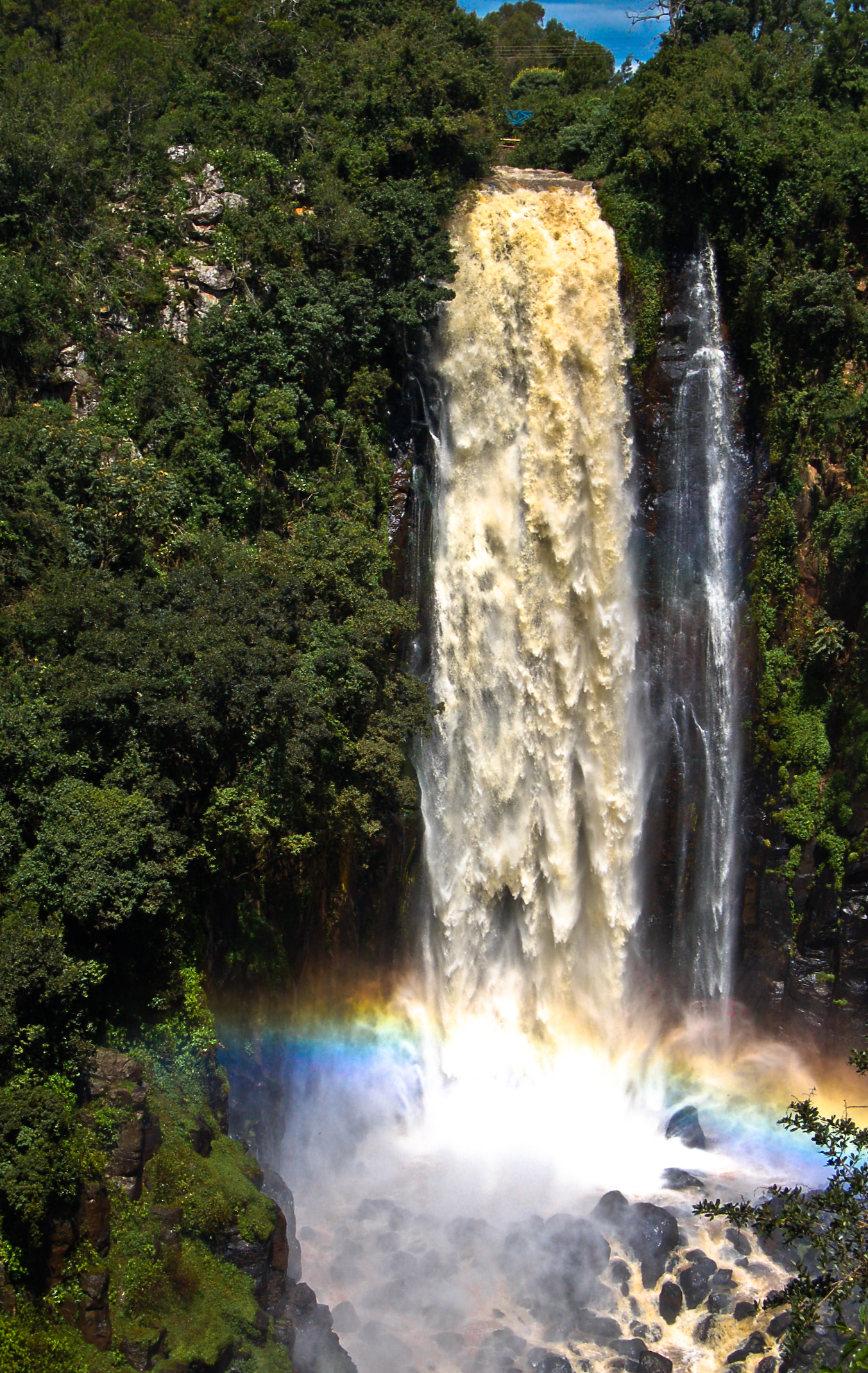
Thomson’s Falls – A Hidden Waterfall Gem in Laikipia, Kenya
If you’ve ever dreamed of standing beneath a curtain of crystal‑clear water while the African sky stretches endlessly above, Thomson’s Falls in Nyahururu should be at the top of your bucket list. Nestled in the heart of Laikipia, this waterfall offers a perfect blend of natural drama, tranquil scenery, and authentic Kenyan hospitality.
1. Introduction
Imagine the roar of water tumbling over basalt cliffs, mist drifting through the air, and the scent of eucalyptus mingling with fresh mountain breezes. That’s the experience waiting for you at Thomson’s Falls, one of Kenya’s most photogenic waterfalls. Though it doesn’t enjoy the same fame as the “big five” safari attractions, the falls are a favorite stop for travelers seeking a refreshing escape from the savannah heat. Whether you’re a solo backpacker, a family on vacation, or a photographer hunting the perfect shot, Thomson’s Falls delivers an unforgettable encounter with nature.
2. About Thomson’s Falls
A Brief Description
Thomson’s Falls drops dramatically into the Thomson Falls River, creating a spectacular cascade that can be seen from several viewpoints along the riverbank. The waterfall’s exact height isn’t officially recorded, but its sheer power and the surrounding verdant landscape make it a striking landmark in Nyahururu, Laikipia County. The falls sit at coordinates 0.044125 N, 36.370469 E, perched on the highland plateau that gives the region its cool climate and lush vegetation.
Historical Roots
The falls were named after Joseph Thomson, a Scottish explorer and geographer who trekked across East Africa in the late 19th century. Thomson’s detailed journals introduced European audiences to the wonders of Kenya’s interior, and the waterfall was one of the highlights he documented. Over time, the name “Thomson’s Falls” stuck, cementing the explorer’s legacy in the very geography he helped unveil.
Cultural and Ecological Significance
Beyond its scenic allure, Thomson’s Falls holds cultural importance for the local communities. The surrounding area is home to the Kikuyu and Kalenjin peoples, who have traditionally regarded the water as a source of life and a place of spiritual reflection. Ecologically, the falls support a micro‑habitat for a variety of birds, insects, and aquatic life, making it a modest hotspot for biodiversity in the highland region.
3. How to Get There
By Air
The closest major gateway is Jomo Kenyatta International Airport (NBO) in Nairobi. From Nairobi, you can catch a domestic flight to Nakuru Airport (NAK), which is the nearest airstrip to Nyahururu. While flight schedules vary, the journey typically takes about 45 minutes.
By Road
If you prefer a scenic drive, the most common route is via the A104 highway from Nairobi to Nyahururu (approximately 150 km). The road winds through rolling highlands, coffee plantations, and tea estates, offering plenty of photo‑ops along the way. Public matatus (minibuses) and private shuttle services also run regularly between Nairobi, Nakuru, and Nyahururu.
From Nyahururu Town
Once you arrive in Nyahururu, Thomson’s Falls is only a short walk or tuk‑tuk ride from the town centre. Signage points you toward the Thomson Falls River and the designated viewing platforms. Most visitors choose to park at the Thomson’s Falls Nature Reserve entrance, where a modest entry fee grants access to well‑maintained paths and safety railings.
4. Best Time to Visit
| Season | Weather | Water Flow | Visitor Experience |
|---|---|---|---|
| Short rains (October‑December) | Warm, occasional showers | High – the falls are at their most powerful | Lush greenery, misty atmosphere – ideal for photography |
| Dry season (January‑March) | Cool and dry, sunny days | Moderate | Comfortable trekking, clear views of the cascade |
| Long rains (April‑May) | Frequent rain, cooler temps | Very high – spectacular volume | Mist can be heavy; bring waterproof gear |
| Cool dry (June‑August) | Crisp mornings, sunny afternoons | Moderate | Best overall comfort for hiking and picnics |
Overall, October to December and June to August are the most popular periods, balancing good water flow with pleasant weather.
5. What to Expect
The Sights and Sounds
As you approach the falls, the first thing you’ll notice is the thunderous roar of water striking the rocks below. The cascade creates a perpetual veil of mist that catches the sunlight, often producing vivid rainbows—perfect for that Instagram‑worthy shot. The surrounding parkland is dotted with eucalyptus trees, giving the area a fresh, pine‑scented ambience.
Activities
- Walking Trails – Well‑marked paths lead to several lookout points, each offering a unique angle of the waterfall.
- Picnicking – Designated picnic tables near the river allow you to enjoy a meal while listening to the falls.
- Birdwatching – Keep an eye out for the African fish eagle, kingfishers, and various sunbirds that frequent the riverbanks.
- Photography – Early morning light and late afternoon golden hour provide soft illumination for landscape shots.
Facilities
The nature reserve provides basic amenities: clean restrooms, a small souvenir kiosk selling locally crafted items, and a modest café serving Kenyan tea and snacks. Security personnel are present during daylight hours, ensuring a safe environment for families and solo travelers alike.
6. Nearby Attractions
While Thomson’s Falls is the star attraction, the surrounding Laikipia region offers several complementary sites worth exploring:
- Thomson Falls River (waterfall) – Just 6.1 km away, this secondary cascade offers a quieter setting for contemplation.
- Unnamed Dam – Laikipia – Approximately 10.8 km from the falls, this reservoir is ideal for a short drive and lakeside walk.
- Unnamed Dam – Nakuru – At 28.3 km distance, this spot provides a glimpse of the highland water management systems.
- Patel Dam – 29.4 km away, the dam’s surroundings are perfect for birdwatching and quiet reflection.
- Unnamed Dam – Nyandarua – 31.2 km from Thomson’s Falls, this dam offers panoramic views of the Nyandarua highlands.
Each of these locations can be visited as part of a day‑trip loop, giving you a fuller picture of Laikipia’s diverse landscapes.
7. Travel Tips
| Tip | Why It Matters |
|---|---|
| Carry a waterproof jacket | The mist from the falls can soak you quickly, especially during the rainy season. |
| Wear sturdy walking shoes | Trails can be slippery near the riverbank; good grip is essential. |
| Bring cash (KES) | Entry fees and small purchases at the kiosk are usually cash‑only. |
| Start early | Arriving at opening time (typically 8 am) lets you beat the crowds and capture the soft morning light. |
| Respect local customs | Dress modestly when interacting with nearby villages, and always ask before photographing individuals. |
| Stay hydrated | Even in cooler highland weather, the sun can be strong; carry water bottles. |
| Check road conditions | During the long‑rain months, some rural roads may become muddy; a 4×4 vehicle can be advantageous. |
| Use a reusable water bottle | Many visitors refill at the park’s clean water stations, reducing plastic waste. |
Final Thought
Thomson’s Falls may not be the most famous Kenyan landmark, but its raw beauty, serene surroundings, and easy accessibility make it a must‑see destination for any traveler exploring the highlands of Laikipia. From the thundering cascade to the tranquil picnics on its banks, the falls promise a slice of nature that feels both grand and intimate. Pack your camera, lace up your boots, and let the mist of Thomson’s Falls refresh your spirit on your next Kenyan adventure.
Keywords: Thomson’s Falls, waterfall in Kenya, Nyahururu, Laikipia, Kenya waterfalls, travel to Thomson’s Falls, things to do near Thomson’s Falls, Thomson Falls River, Kenyan highlands, best time to visit Thomson’s Falls, travel tips Kenya.
