Gitaru Dam – A Hidden Hydroelectric Gem in Kitui, Kenya
Discover the engineering marvel, the surrounding landscape, and the road‑trip adventure that makes Gitaru Dam a must‑see stop on your Kenya itinerary.
1. Introduction
When you think of Kenya, the mind often jumps to the sweeping savannahs of the Maasai Mara, the snow‑capped peaks of Mount Kenya, or the crystal‑clear waters of the Indian Ocean. Yet tucked away in the semi‑arid heart of Kitui County lies a different kind of wonder – Gitaru Dam, a hydroelectric powerhouse that blends rugged engineering with unspoiled natural scenery. Whether you’re a road‑trip enthusiast, a photography buff, or a curious traveler eager to explore Kenya’s lesser‑known attractions, Gitaru Dam offers a refreshing detour from the usual safari circuit.
2. About Gitaru Dam
- Location: Mwingi, Kitui County, Kenya
- Coordinates: -0.795319, 37.749386
- Type: Dam (hydroelectric) 🏗️
- Height / Altitude: Information not publicly disclosed
Gitaru Dam is part of the Gitaru Hydroelectric Power Station, one of Kenya’s key contributors to the national grid. While the Wikipedia entry for the power station provides a technical overview, the dam itself remains a low‑profile landmark that many travelers overlook. Built to harness the flow of the Tana River and its tributaries, the structure plays a pivotal role in Kenya’s renewable energy strategy, supplying clean electricity to millions of households.
Beyond its functional importance, Gitaru Dam is a symbol of Kenya’s commitment to sustainable development. The surrounding reservoir creates a tranquil shoreline that contrasts sharply with the dry, rolling hills of Kitui, offering a rare oasis for birdwatchers and nature lovers alike.
3. How to Get There
By Air
The nearest major airport is Jomo Kenyatta International Airport (NBO) in Nairobi. From Nairobi, you have two options:
- Domestic Flight to Kitui Airport – A short 45‑minute flight (operated by local carriers) lands in Kitui town, the county capital.
- Charter Flight to Mwingi Airstrip – Limited services are available; check with local charter operators for schedules.
By Road
Kenya’s road network makes a self‑driven adventure both feasible and scenic.
| Starting Point | Approx. Distance | Typical Route | Travel Time* |
|---|---|---|---|
| Nairobi (Jomo Kenyatta Intl.) | 260 km | Nairobi → Mombasa Road (A109) → Kitui Road (A13) → Mwingi | 5‑6 hrs |
| Kitui Town | 70 km | Kitui → Mwingi Road (B6) | 1.5‑2 hrs |
| Embu | 120 km | Embu → Masinga Dam → Mwingi | 2.5‑3 hrs |
*Travel times vary with traffic and road conditions; many sections are paved, but occasional gravel stretches appear near the dam.
Public Transport: Matatus (shared minibuses) run regularly between Nairobi, Kitui, and Mwingi. Ask the driver to drop you off at the Gitaru Dam turn‑off (signposted). From the drop‑off point, a short 5‑minute walk or a local boda‑boda (motorbike taxi) will get you to the dam’s visitor area.
Parking: A modest, free parking lot sits near the dam’s main access road, making it convenient for cars, SUVs, and even bicycles.
4. Best Time to Visit
Kenya’s climate is equatorial, but Kitui experiences distinct wet and dry periods that affect the dam’s surroundings:
| Season | Months | What to Expect |
|---|---|---|
| Short rains | October – December | Slightly higher water levels, greener vegetation, and occasional mist over the reservoir – perfect for atmospheric photos. |
| Long dry season | January – March | Clear skies, warm days (average 28‑34 °C), and lower humidity – ideal for birdwatching and sunrise hikes. |
| Long rains | April – May | Heavier rainfall can make some access roads muddy; however, the reservoir reaches its fullest, creating dramatic reflections. |
| Short dry season | June – September | Comfortable temperatures, low crowds, and excellent visibility for panoramic shots. |
Peak Visitor Window: June to September offers the most reliable weather while avoiding the heavy rains that can hamper road travel.
5. What to Expect
The Landscape
Approaching Gitaru Dam, you’ll first notice the expansive blue surface of the reservoir, framed by low, undulating hills dotted with acacia trees. The dam’s concrete wall rises modestly against the horizon, its utilitarian design contrasting with the natural surroundings.
Activities
- Scenic Walks: A short, well‑maintained trail circles the reservoir, offering multiple viewpoints for sunrise and sunset photography.
- Birdwatching: The water attracts a variety of waterfowl, including herons, kingfishers, and seasonal migratory species. Bring binoculars for a rewarding experience.
- Picnicking: Designated grassy spots near the dam’s footbridge provide a peaceful setting for a packed lunch.
- Educational Insight: If you time your visit with a guided tour (arranged through the Kenya Electricity Generating Company, KENGEN), you can learn about hydroelectric generation, dam safety, and Kenya’s renewable‑energy roadmap.
Facilities
Facilities are modest but functional: clean restrooms, a small information kiosk, and a souvenir stand selling locally crafted beads and postcards. Wi‑Fi is not available, so consider offline maps and a fully charged camera battery.
6. Nearby Attractions
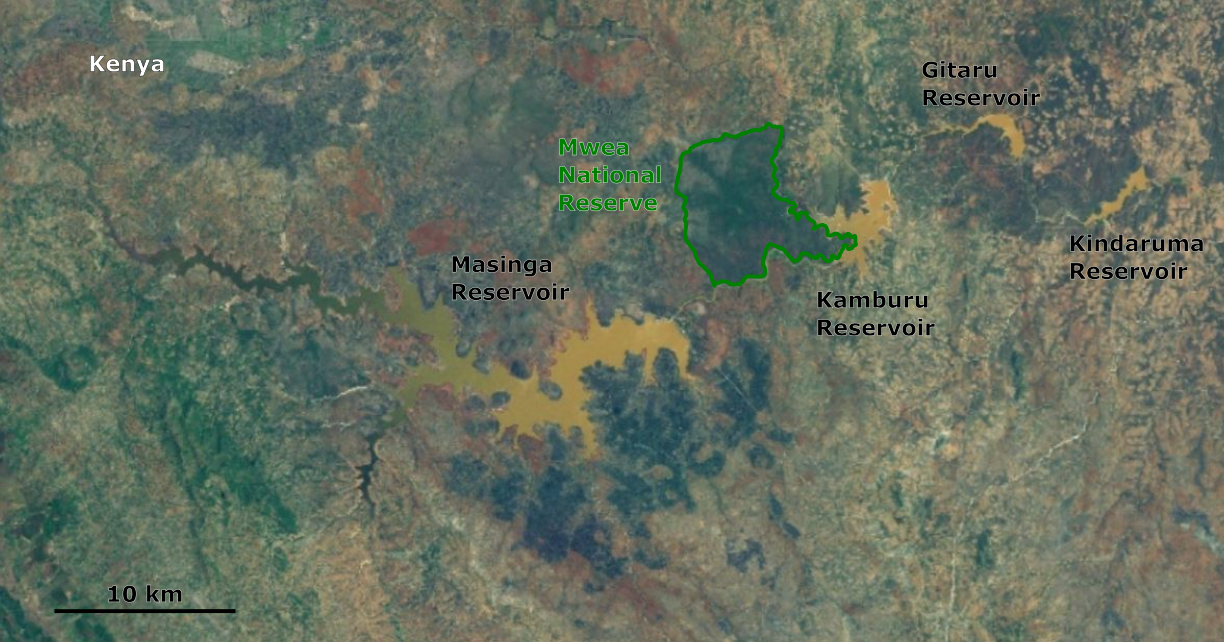
Gitaru Dam sits in a cluster of water‑related landmarks that make for an enriching day‑trip itinerary.
| Attraction | Distance | Type | Why Visit? |
|---|---|---|---|
| Weir (Kitui) | 0 km | Weir | A small water diversion structure right beside Gitaru—great for quick photo stops. |
| Kindaruma Dam | 7 km | Dam | One of Kenya’s oldest hydroelectric dams; offers guided tours and a visitor centre. |
| Weir (Embu) | 7.1 km | Weir | Located near the border of Kitui and Embu, showcasing traditional water management. |
| Kamburu Dam | 7.1 km | Dam | Nestled in the scenic Embu highlands, perfect for a picnic by the lake. |
| Masinga Dam | 20.2 km | Dam | The largest reservoir on the Tana River, popular for boating and fishing. |
Quick Links (for deeper research):
Plan to visit at least two of these sites in the same day; the short distances keep driving time low while maximizing scenery.
7. Travel Tips
- Fuel Up Early – Gas stations become sparse once you leave Kitui town. Fill up in Nairobi or Kitui before heading to the dam.
- Carry Cash – Small vendors and the souvenir stand often accept only cash (Kenyan Shillings). ATMs are limited outside major towns.
- Dress Comfortably – Light, breathable clothing, a wide‑brim hat, and sturdy walking shoes are ideal. Evenings can be cool (down to 15 °C) during the dry season, so a light jacket helps.
- Stay Hydrated – The semi‑arid climate can be dehydrating, especially if you’re hiking. Bring at least 2 L of water per person.
- Respect the Environment – The dam area is a working hydroelectric facility. Follow posted signs, stay on designated paths, and avoid littering.
- Timing for Photos – The best light occurs during the “golden hour” (30‑45 minutes after sunrise and before sunset). The reservoir’s surface often mirrors the sky, creating striking reflections.
- Safety First – Swimming is prohibited near the dam for security reasons. Keep a safe distance from the water’s edge, especially if you’re traveling with children.
- Local Cuisine – Try a roadside nyama choma (grilled meat) stall in Mwingi for a tasty, protein‑rich meal after your dam visit.
Conclusion
Gitaru Dam may not yet have the fame of Kenya’s national parks, but its blend of engineering marvel, tranquil waters, and surrounding natural beauty makes it a compelling addition to any travel itinerary. From the easy road‑trip access and modest visitor facilities to the nearby attractions that showcase Kenya’s water heritage, a day at Gitaru Dam offers a refreshing perspective on the country’s diverse landscapes.
So pack your camera, hit the road, and let the gentle ripple of the reservoir guide you into the heart of Kitui’s hidden hydro‑treasure. Safe travels!
Keywords: Gitaru Dam, Kitui travel, Kenya dams, hydroelectric power Kenya, Mwingi attractions, Kenya road trip, East Africa dam tourism, Kindaruma Dam, Kamburu Dam, Masinga Dam