Masinga Dam, Embu, Kenya – A Hidden Gem for Adventure‑Seekers and Nature Lovers
Discover the power, scenery, and serenity of one of Kenya’s most impressive hydro‑electric landmarks.
Introduction
If you think Kenya is only about savannahs, the Great Migration, and mountain gorillas, think again. Nestled in the rolling hills of Embu County, Masinga Dam (coordinates ‑0.879705, 37.587984) is a striking blend of engineering marvel and natural beauty. Towering 70 metres above the Tana River, the dam not only fuels Kenya’s electricity grid but also offers a tranquil spot for picnics, bird‑watching, and sunset photography. Whether you’re a road‑trip enthusiast, a photography hobbyist, or simply craving a quiet escape from the city buzz, Masinga Dam deserves a place on your Kenyan itinerary.
About Masinga Dam
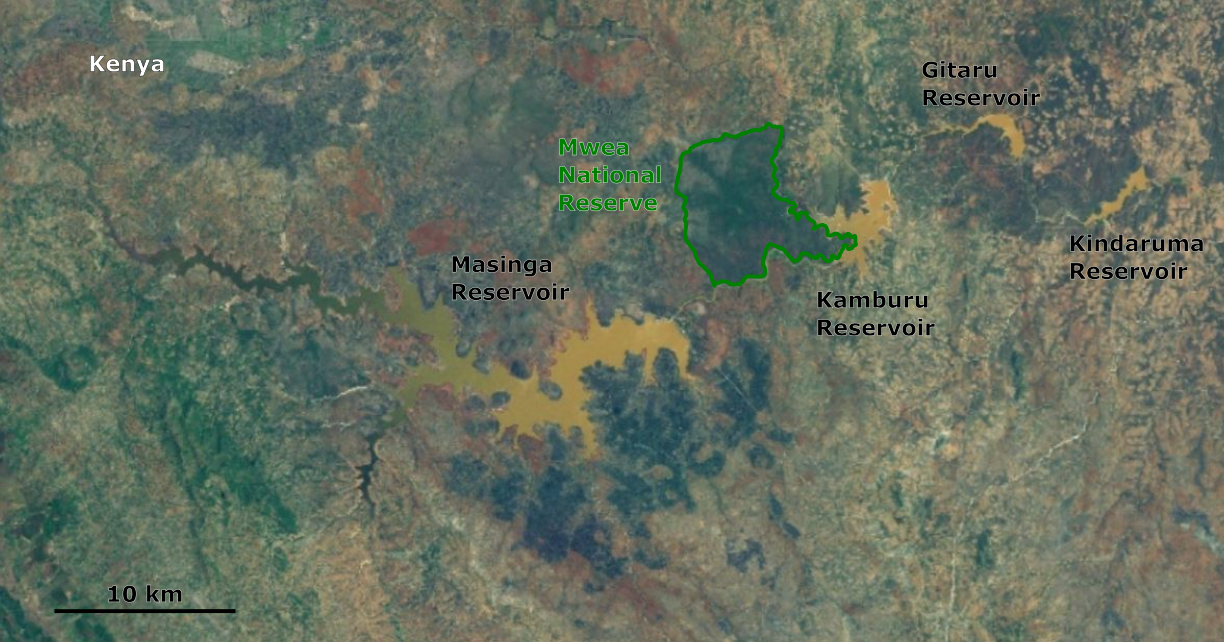
Masinga Dam is part of the Seven Forks Hydro‑Power Scheme, a series of dams that harness the power of the Tana River, Kenya’s longest river. Built in the early 1980s, the dam forms the Masinga Reservoir, which stores water for the Masinga Hydroelectric Power Station—the first major hydro‑electric plant in the cascade.
- Type: Concrete gravity dam 🏗️
- Height: 70 m
- Location: Embu, Embu County, Kenya
- Coordinates: ‑0.879705, 37.587984
The dam’s primary purpose is electricity generation, but it also plays a crucial role in irrigation, flood control, and water supply for downstream communities. Its expansive reservoir stretches over a pristine shoreline, creating a micro‑climate that supports a variety of bird species, including African fish eagles, kingfishers, and seasonal waterfowl.
Because the dam is integrated into Kenya’s national power grid, it symbolizes the country’s drive toward sustainable energy while offering travelers a glimpse into the nation’s engineering achievements.
How to Get There
By Air
The nearest major airport is Jomo Kenyatta International Airport (NBO) in Nairobi, about 200 km (≈ 4‑5 hours by road). From Nairobi, you can catch a domestic flight to Embu Airport (small airstrip) or simply drive.
By Road
The most common way to reach Masinga Dam is by car or minibus from Nairobi:
- Head north on the A2 highway toward Thika.
- Continue past Thika and Machakos, following signs for Embu.
- After crossing the Tana River, look for the turn‑off to Masinga Reservoir (signs read “Masinga Dam / Reservoir”).
The drive is scenic, winding through highland tea farms, coffee plantations, and lush valleys. If you prefer public transport, matatus (shared minibuses) run regularly from Nairobi to Embu town; from there, you can hire a boda‑boda (motorcycle taxi) or a local taxi to the dam (approximately 15 km).
By Private Tour
Several Embu‑based tour operators offer day‑trip packages that include transportation, a guide, and optional stops at nearby attractions such as Kamburu Dam or Gitaru Dam. Booking a guided tour can simplify logistics, especially if you’re unfamiliar with Kenyan road rules.
Best Time to Visit
Kenya’s climate around Embu is temperate highland, with two main seasons:
| Season | Months | Weather | Why Visit |
|---|---|---|---|
| Dry Season | June – October | Clear skies, mild temperatures (15‑25 °C) | Ideal for photography, picnics, and boat rides on the reservoir. |
| Short Rainy Season | November – December | Light showers, lush green surroundings | Great for bird‑watching as migratory species arrive. |
| Long Rainy Season | March – May | Heavier rain, higher river flow | Not recommended for road travel; reservoir levels are high but visibility may be reduced. |
For most travelers, the June‑October window offers the best combination of pleasant weather, easy road conditions, and vibrant sunsets over the water.
What to Expect
Scenic Views
Approach the dam and you’ll be greeted by the massive concrete wall of the structure, juxtaposed against rolling hills and the turquoise surface of the reservoir. The water reflects the sky in a way that makes sunrise and sunset shots truly spectacular.
Wildlife & Birding
While the dam itself is a human‑made feature, the surrounding wetlands attract a diverse birdlife. Bring binoculars and a field guide; you’ll likely spot African fish eagles soaring overhead, kingfishers darting near the water’s edge, and, during the migratory season, a variety of waders and storks.
Recreation
- Picnic Areas: Small, shaded spots line the reservoir’s edge—perfect for a family lunch.
- Boat Rides: Local operators offer motorboat trips (usually 30‑45 minutes) that let you explore the lake’s quieter coves.
- Walking Trails: Unpaved paths wind around the dam, offering gentle hikes with panoramic viewpoints.
Cultural Touch
The dam is situated near several Kikuyu and Embu villages. If you’re interested, ask a local guide to arrange a brief visit to a nearby community where you can learn about traditional farming practices and enjoy fresh tea or coffee produced in the highlands.
Nearby Attractions
While Masinga Dam can easily fill a half‑day, the surrounding region boasts additional points of interest that make for a rewarding day‑trip itinerary.
| Attraction | Type | Distance from Masinga Dam | Quick Note |
|---|---|---|---|
| Kamburu Dam | Dam | 13.5 km (≈ 20 min) | Another component of the Seven Forks scheme; offers a quieter lakeside vibe. |
| Gitaru Dam | Dam | 20.2 km (≈ 30 min) | The largest dam in Kenya; its reservoir is popular for fishing and kayaking. |
| Kindaruma Dam | Dam | 26.1 km (≈ 45 min) | Known for its impressive spillway and historic role in Kenya’s power development. |
Tip: Most of these dams have limited visitor facilities, so bring water, snacks, and a camera. You can also combine a dam‑tour with a stop at Embu town for a quick market stroll or a bite of local cuisine.
Travel Tips
| Tip | Details |
|---|---|
| Carry Cash | Rural kiosks and small eateries often accept only cash (Kenyan Shillings). |
| Dress Comfortably | Light layers work best; mornings can be cool, while midday may warm up. |
| Sun Protection | The highland sun can be strong—bring sunscreen, a hat, and sunglasses. |
| Stay Hydrated | Even at moderate altitude, the dry air can dehydrate you quickly. |
| Respect the Environment | The reservoir is a protected water source—avoid littering and follow any posted signage. |
| Check Road Conditions | During the long rainy season (Mar‑May) some access roads may become muddy; a 4×4 vehicle is advisable. |
| Safety on the Water | If you take a boat ride, ensure the operator provides life jackets and follows safety protocols. |
| Local Etiquette | Greet locals with a friendly “Jambo” or “Habari” and ask permission before photographing people. |
| Connectivity | Mobile coverage is generally good in Embu County, but signal may be spotty near the dam; download offline maps if you rely on GPS. |
Final Thought
Masinga Dam may not have the fame of Kenya’s national parks, but it offers a unique blend of engineering, nature, and local culture that makes it a rewarding stop for any traveler exploring the Kenyan highlands. From the awe‑inspiring 70‑metre concrete wall to the peaceful ripples of the reservoir, the site invites you to pause, reflect, and capture moments that are far off the typical tourist trail.
Pack your camera, hop in the car, and let the road to Embu guide you to one of Kenya’s best‑kept secrets—Masinga Dam. Safe travels!